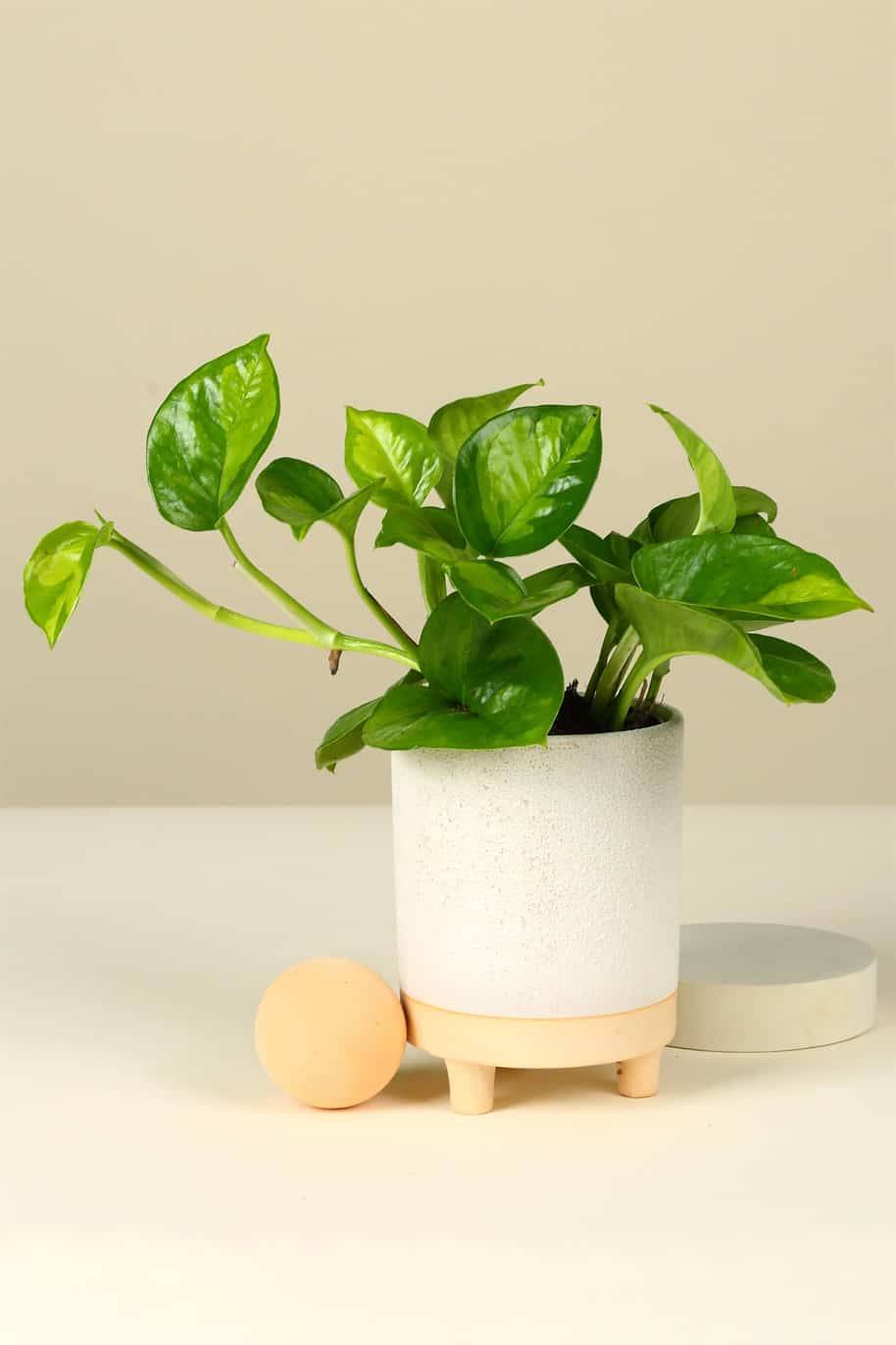
String Of Hearts China (Ceropegia)

Product Bio

Elevate your indoor garden with the enchanting String of Hearts, a captivating trailing succulent that’s sure to steal your heart. This delicate beauty, scientifically known as Ceropegia woodii, features dainty heart-shaped leaves strung along slender vines, creating a romantic cascade perfect for hanging baskets or shelves.

Native to South Africa, the String of Hearts thrives in bright, indirect light and adapts well to the UAE’s climate. Its drought-tolerant nature makes it an ideal low-maintenance plant for busy urban dwellers. The fleshy leaves store water, allowing the plant to withstand occasional neglect.

Care for your String of Hearts  with ease:

  • Water sparingly, allowing the soil to dry between waterings
  • Use a well-draining succulent mix to prevent root rot
  • Provide bright, indirect light for optimal growth
  • Fertilize monthly during the growing season with a balanced liquid fertilizer

This versatile beauty pairs wonderfully with other succulents like Burro’s Tail or String of Pearls for a stunning hanging garden display. Its trailing vines can reach up to 3 feet long, adding a touch of whimsy to any space.

Whether you’re a seasoned plant parent or a beginner, the String of Hearts is sure to bring joy and natural elegance to your UAE home.
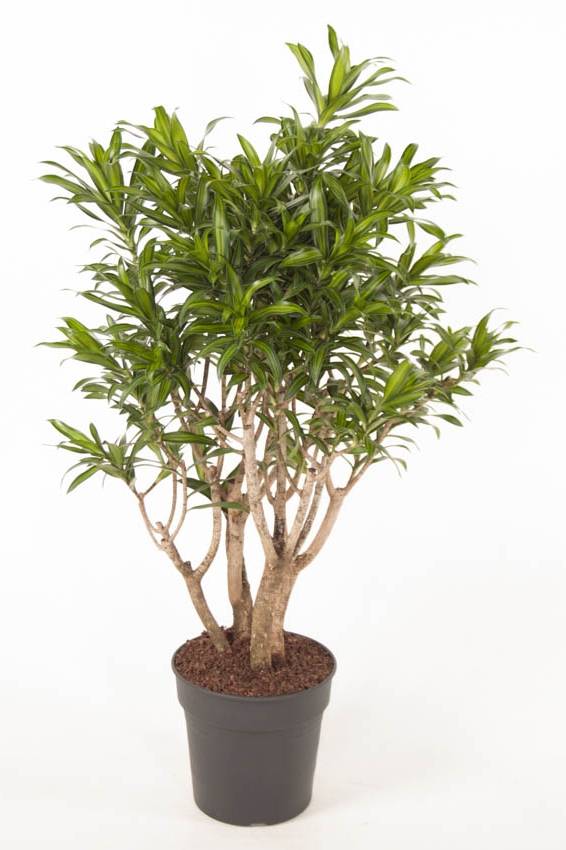
Dracaena Reflexa – Song of jamaica (Dracaena Reflexa Anita)

Plant Bio

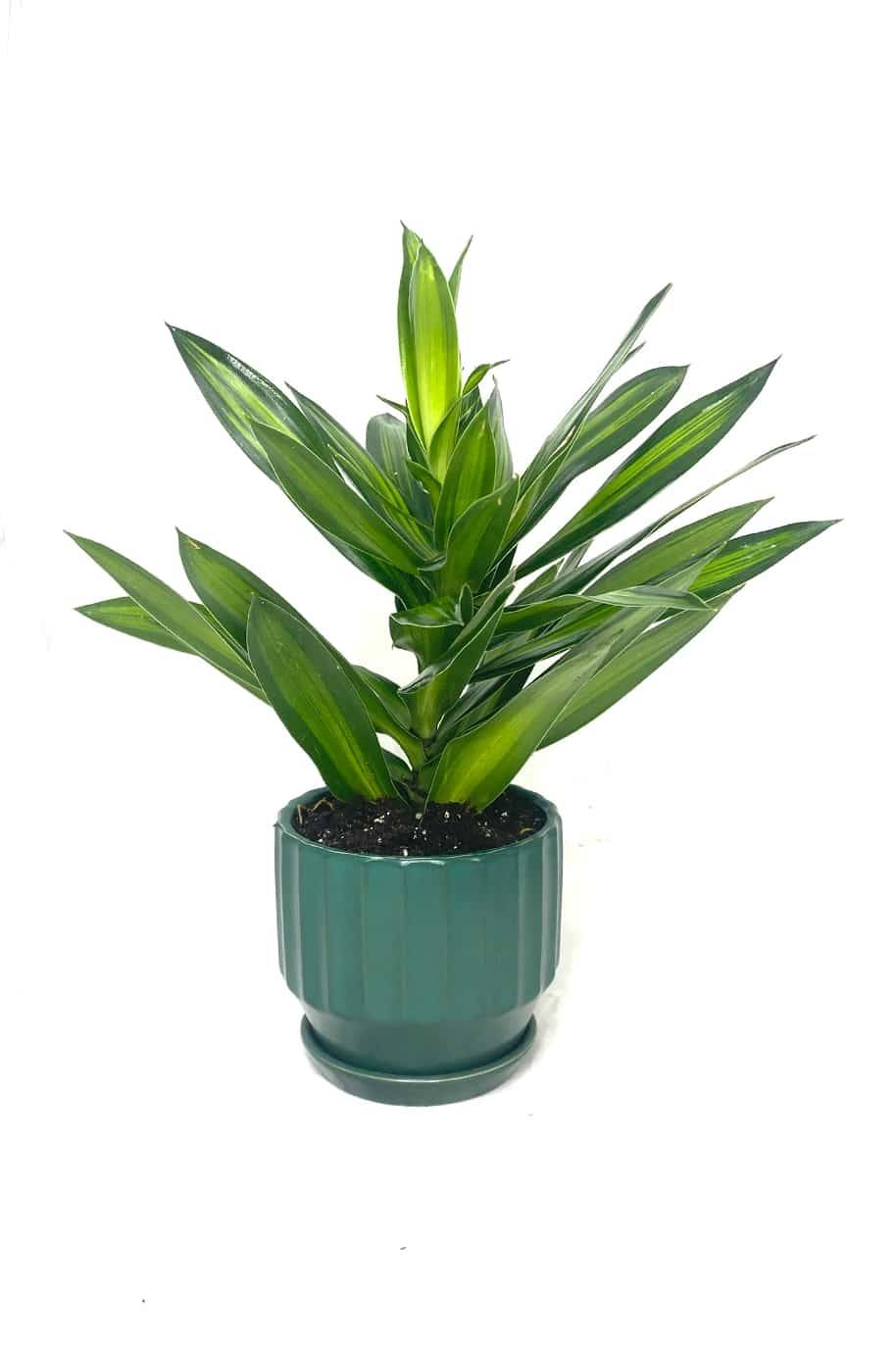
Dracaena reflexa, commonly called Pleomele or Song of India, is a species of Dracaena which is a tropical tree native to Madagascar, Mauritius, and other nearby islands of the Indian Ocean. It is widely grown as an ornamental plant and houseplant, valued for its richly coloured, evergreen leaves, and thick, irregular stems. Indoors, as a houseplant, you can keep this variety much smaller, and, in fact, they generally only grow to about three feet (one meter) tall in containers. Song of India plants are described as variegated because the leaves are multicolored with bright green centers and yellow margins. The colors fade to lighter green and cream as individual leaves age. The leaves are lance-shaped and grow spirally around branches, up to one foot long.

Notoriously difficult to kill, dracaena will look best and be healthiest if you provide it with the right conditions and minimal care. These plants need indirect light and warm temperatures. They prefer humidity, so you can set the container on top of a dish of rocks in water, or you can mist your plant regularly. Make sure the pot drains well and keep the soil moist but not wet. Provide a balanced fertilizer once or twice a year. As with all dracaena varieties, the pretty leaves of Song of India will turn yellow as they age. As the bottom leaves on the plant yellow, simply trim them off to keep the plant looking neat and tidy. You can also trim and shape as needed, and you may find that the plant need staking for support as it grows taller.

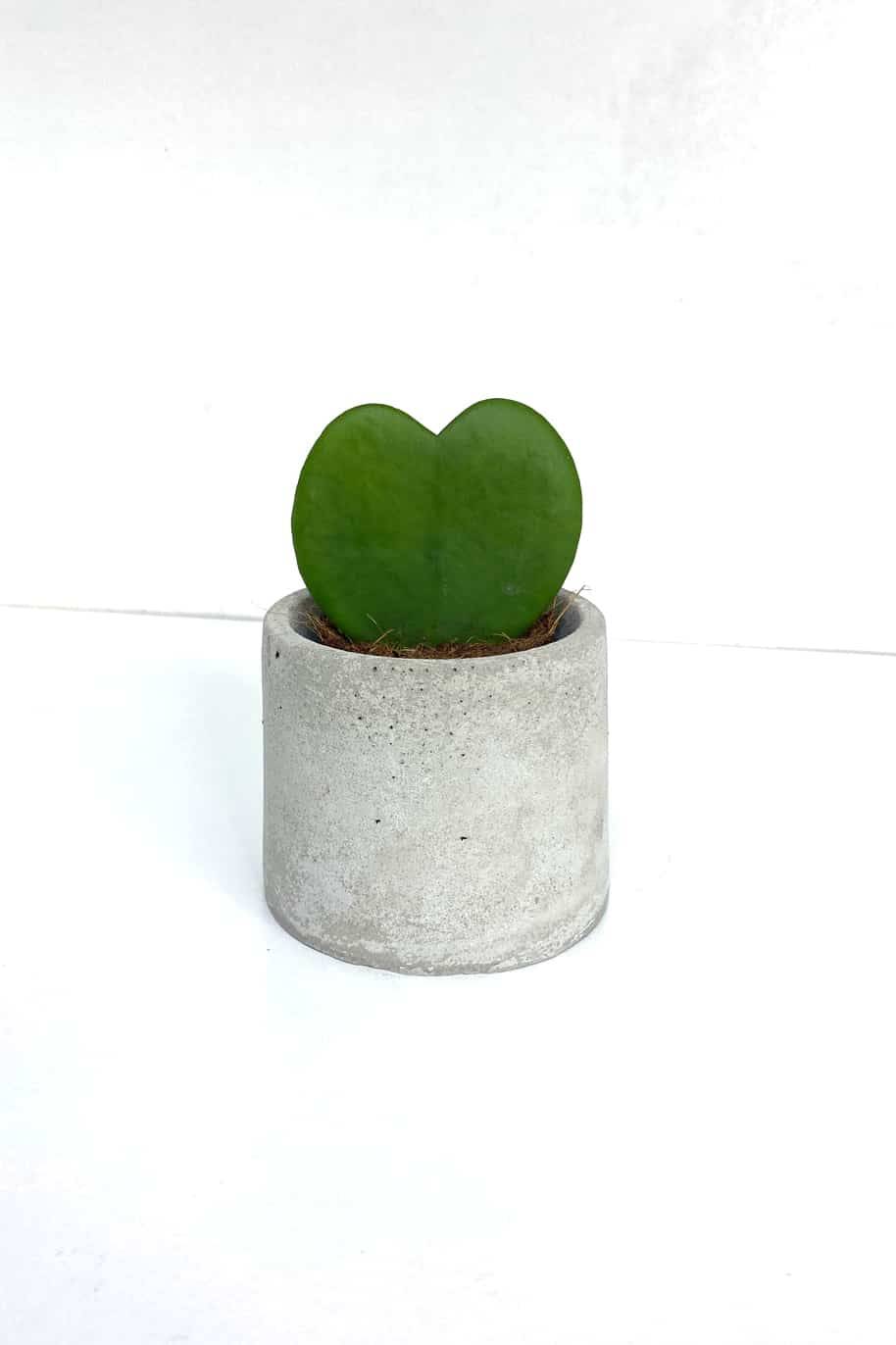
Potted Hoya (Sweetheart Hoya)

Product Bio

Sweetheart hoya plant, also known as Valentine plant or sweetheart wax plant, is a type of Hoya appropriately named for its thick, succulent, heart-shaped leaves. Like other Hoya varieties, sweetheart hoya plant is a stunning, low-maintenance indoor plant.

Sweetheart hoya care isn’t complicated or involved, but the plant is somewhat particular about its growing conditions. This Valentine hoya tolerates relatively low light, but not full shade. However, the plant performs best and is more likely to bloom in bright or indirect sunlight. Room temperatures should be maintained between 60 and 80 F. or 15 and 26 C. With its fleshy, succulent leaves, sweetheart hoya is relatively drought-tolerant and can get by with as little as one or two waterings per month. Water deeply when the soil is slightly dry to the touch, then let the pot drain thoroughly. Although the soil should never become bone dry, wet, soggy soil can result in deadly rot. Be sure sweetheart hoya is planted in a pot with a drainage hole. Sweetheart hoya is a light feeder and requires little fertilizer. A light solution of balanced, water-soluble houseplant fertilizer mixed at a rate of ¼ teaspoon (1 ml.) in a gallon of water is plenty. Feed the plant once a month during the growing season and discontinue feeding in winter. If a mature plant doesn’t bloom, try exposing the plant to brighter light or cooler nighttime temperatures.

Song of Jamaica Mini (Dracaena Reflexa Anita)

Plant Bio

Dracaena reflexa, commonly called Pleomele or Song of India, is a species of Dracaena which is a tropical tree native to Madagascar, Mauritius, and other nearby islands of the Indian Ocean. It is widely grown as an ornamental plant and houseplant, valued for its richly coloured, evergreen leaves, and thick, irregular stems. Indoors, as a houseplant, you can keep this variety much smaller, and, in fact, they generally only grow to about three feet (one meter) tall in containers. Song of India plants are described as variegated because the leaves are multicolored with bright green centers and yellow margins. The colors fade to lighter green and cream as individual leaves age. The leaves are lance-shaped and grow spirally around branches, up to one foot long.

Notoriously difficult to kill, dracaena will look best and be healthiest if you provide it with the right conditions and minimal care. These plants need indirect light and warm temperatures. They prefer humidity, so you can set the container on top of a dish of rocks in water, or you can mist your plant regularly. Make sure the pot drains well and keep the soil moist but not wet. Provide a balanced fertilizer once or twice a year. As with all dracaena varieties, the pretty leaves of Song of India will turn yellow as they age. As the bottom leaves on the plant yellow, simply trim them off to keep the plant looking neat and tidy. You can also trim and shape as needed, and you may find that the plant need staking for support as it grows taller.

Hoya Wayetii Variegata

Plant Bio

Add a rare botanical gem to your indoor plant collection with the Hoya Wayetii Variegata. This beautiful trailing plant is known for its long, narrow leaves edged in creamy white and pink variegation, making it a standout in any indoor garden or hanging planter. Native to the Philippines and beloved by collectors, this Hoya variety is both low-maintenance and visually striking.

The Hoya Wayetii Variegata thrives in bright, indirect light and appreciates a well-draining potting mix. Its semi-succulent nature means it stores water in its leaves, requiring only occasional watering—ideal for busy plant lovers. With proper care, this plant may reward you with clusters of star-shaped, fragrant flowers.

Perfect for shelves, plant stands, or hanging baskets, it pairs well with other Hoyas, String of Hearts, or Philodendron varieties. Its trailing vines can grow long and lush, adding a soft, cascading touch to any room.

Care Tips: Allow the soil to dry out between waterings, avoid direct harsh sunlight, and feed with a balanced liquid fertilizer during the growing season. Rotate the plant occasionally for even growth.

Buy Hoya Wayetii Variegata today and enjoy rare foliage delivered right to your door in Dubai, Abu Dhabi, or anywhere in the UAE.

Gynura Cuttings

Plant Bio

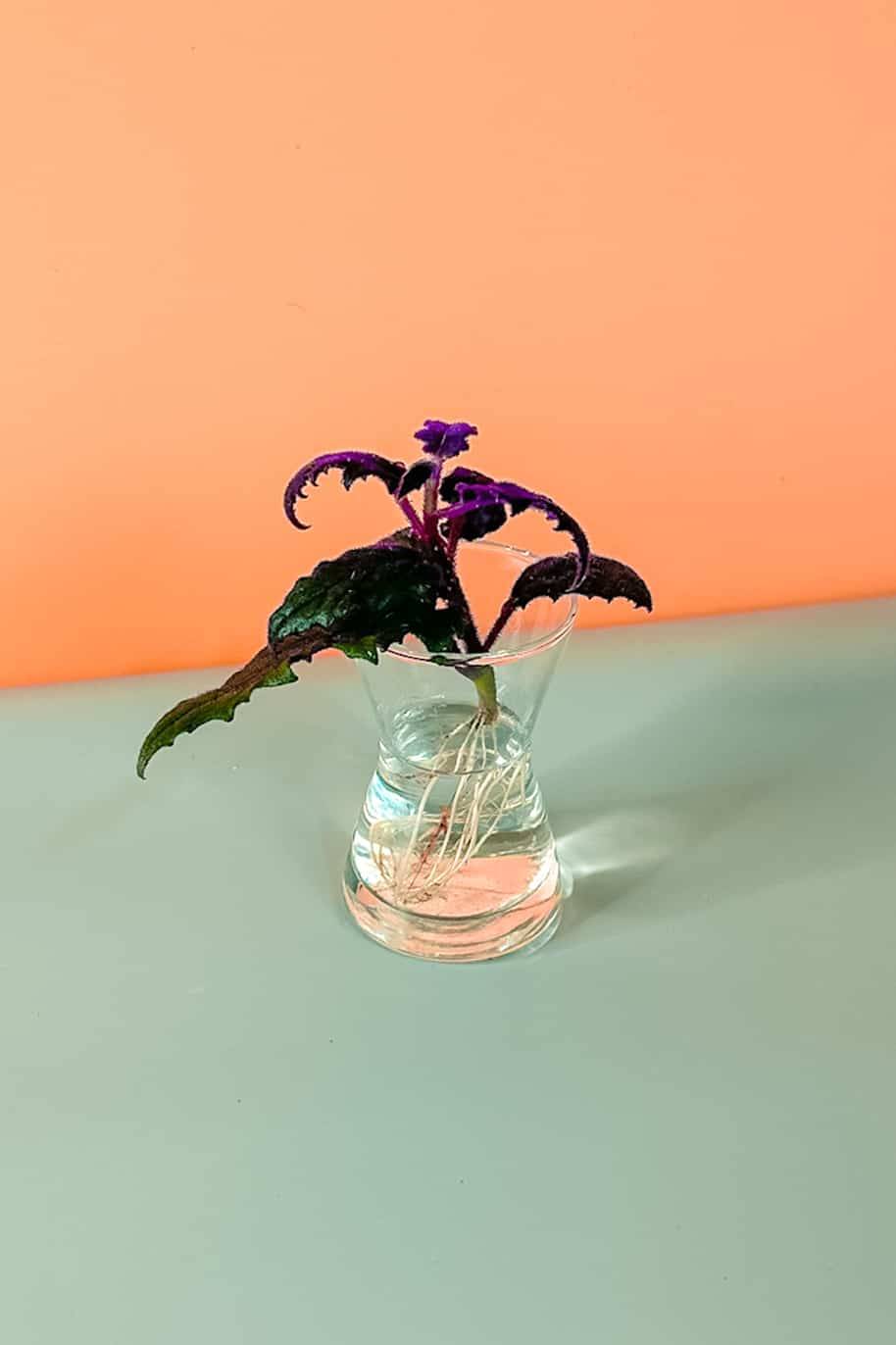
Gynura is a genus of flowering plants in the daisy family Asteraceae endemic to Asia. The best-known species is Gynura aurantiaca, often grown as a house plant. This plant is commonly known as “purple passion” because of the velvety purple leaves. Growing purple passion houseplants (Gynura aurantiaca) offers an unusual and attractive houseplant for the brightly lit indoor area. The young purple passion plant has velvety leaves; thick, deep purple hairs on a green colored leaf and a cascading habit, making it perfect for an inside hanging basket. Purple passion houseplants have been used for indoor decoration for more than 200 years.

Place the purple passion plant in bright to moderate light, but don’t allow direct sunlight to reach the leaves. Brighter light intensifies the purple color of purple passion plant. Purple passion houseplants prefer a cool location; optimum temperatures for the purple passion plant are 60 to 70 F. (16-21 C.). Keep the soil moist but avoid letting the roots stand in soggy soil. Avoid wetting the foliage, as the hairy leaves can trap moisture and begin to rot. Purple passion houseplants may produce orange flowers; however, their odor is unpleasant. Many gardeners snip off the buds to avoid the smelly blooms. Flowers are a sign the plant has reached maturity; be sure to start cuttings if you’ve not already got them growing. Fertilize every two weeks from spring through fall as part of velvet plant care. Fertilize monthly during winter.

Hedera Helix Cuttings

Plant Bio

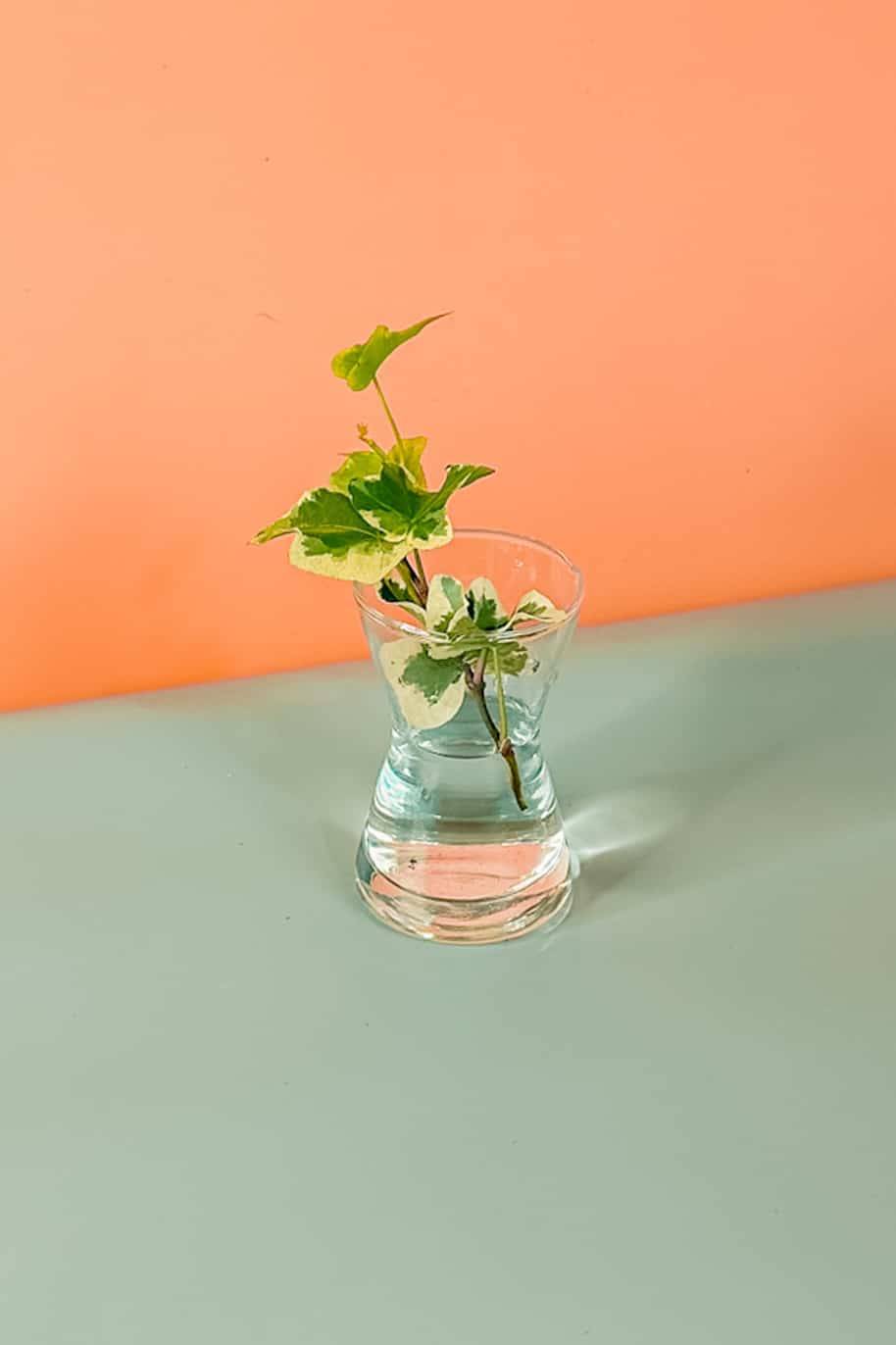
The Hedera helix ‘Variegata’ is native to Europe and commonly called Pittsburgh Ivy, English Ivy or just Ivy. This evergreen vine or ground cover has small to medium ivy or lobed shaped variegated leaves with a heart-shaped base. It attaches itself by aerial rootlets to walls and other surfaces such as rockeries or trees. The Pittsburgh Ivy is easy to grow, hardy and versatile. Because of the Pittsburgh Ivy’s climbing and vining habits, they look great in a hanging basket, greenwall or trailing down a feature wall.

Growing ivy indoors isn’t difficult as long as you provide what the plant needs. The most important part of indoor ivy plant care is light. All true ivies need bright light. Variegated cultivars can take medium light, but be aware that their variegation will become less pronounced in less light. When watering your ivy, always check the soil before adding water. Ivies prefer to be kept slightly on the dry side, so let the soil dry out some (dry to the touch on top) before you water your ivy plant again. Also, make sure that your plant has excellent drainage, as ivy does not like to be in standing water or overly wet soil. Caring for ivy plants should also include regular fertilizing. Fertilize your ivy about once a month in the spring and summer with a water soluble, nitrogen-rich fertilizer. Do not fertilize in the winter, as this is the ivy’s dormant period and the fertilizer may do more harm than good at this time. Ivy houseplants benefit from periodic washing to remove dust and pests from their leaves. To wash your ivy plant, simply place the plant in the shower and allow the water to run over the plant for a few minutes.

Satin Pothos Cuttings

Plant Bio

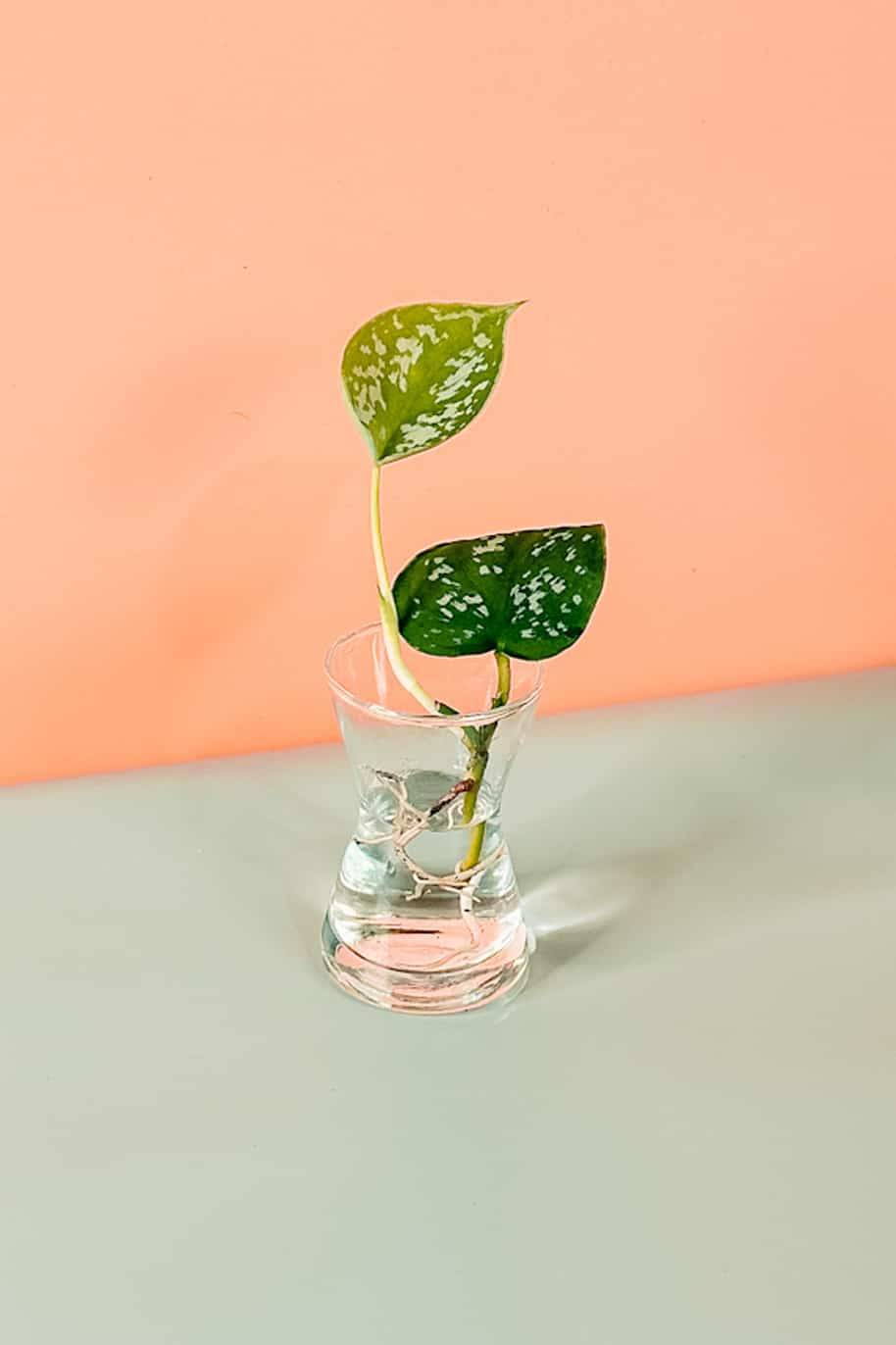
Do you want the easiest & toughest trailing houseplant out there? Well, look no further because Pothos are 1 of the most popular & easy to grow houseplants. With a trailing, vine-like habit, attractive heart-shaped leaves, an ability to help purify the air. Pothos has numerous common names, including: golden pothos, hunter’s robe, ivy arum, money plant, and taro vine. The curious other name: devil’s ivy is because it’s nearly impossible to kill and stays alive even when kept in the dark.

Silver Satin Pothos likes bright, indirect light year-round. Harsh, direct sunlight will scorch the leaves, while too little light will cause the leaves to lose their variegation. Water your Pothos enough to keep the soil moist, but not wet or saturated. It’s best to water when the top inch of the soil is dry. Don’t worry if you forget—it will occasionally tolerate a missed watering! Look out for yellow leaves, they are a symptom of too much water. Your bathroom or kitchen would be a great choice for your Silver Satin Pothos because it does best in a slightly more humid environment. Brown leaf tips may indicate the air is too dry. Feed monthly in the spring through fall with general-purpose indoor plant fertilizer.

Pothos are mildly toxic to pets and humans. It can cause a mild irritation to the mouth if chewed or swallowed and also a mild digestive reaction.

Peace Lily Cuttings

Plant Bio

Peace lilies (Spathiphyllum), also known as closet plants, are a popular choice for offices and homes. When it comes to indoor plants, peace lily plants are some of the easiest to care for. But, while peace lily plant care is easy, proper growing conditions are still important.

Peace lilies are one of the best air filtering indoor plant. The NASA Clean Air Study found that Spathiphyllum cleans indoor air of certain environmental contaminants, including benzene, and formaldehyde.

Peace lily lives best in shade and needs little sunlight to thrive, and is watered approximately once a week. The soil is best left moist but only needs watering if the soil is dry. Peace lilies do not need frequent fertilizing. Fertilizing with a balanced fertilizer one to two times per year will be enough to keep the plant happy.

Rare Global Green Pothos (Epipremnum Aureum)

Plant Bio

The Global Green is a fairly new Pothos variety that has beautifully textured, rich green on green marbling leaves mottled in dark and light green. The Global Pothos is a hardy and easy plant to care for and you will find that it is an extremely rare and valuable variety of pothos plant!

The Pothos, or the Epipremnum aureum, is native to Southeast Asia. It has the reputation of being one of the easiest houseplants to take care of. Its common name, Pothos, comes from the genus it was once classified under: Pothos aureus.In the wild, it is known to overgrow forest floors and tree trunks due to its aerial root system which can be used to help it grow vertically in the home up a coir pole. In good indoor conditions, you can expect the Pothos to trail to 10 feet long and grow leaves that are 3 feet in length if trained to climb! The Pothos is particularly fitting for indoor settings because it is able to filter gaseous toxins like formaldehyde from the air.

Back to Top

Search For Products

Product has been added to your cart
★ Reviews