Plant Spray Bottle – 800ml

Use for mist and pesticides/chemical application in indoor and outdoor plantations, adjustable brass nozzle controls the spray output, best for misting indoor plants to keep them clean and provide humidity to plants in dry climates.

Plant Spray Bottle – 1.5Ltr

Use for mist and pesticides/chemical application in indoor and outdoor plantations, adjustable brass nozzle controls the spray output, which is best for misting indoor plants to keep them clean and provide humidity to plants in dry climates.
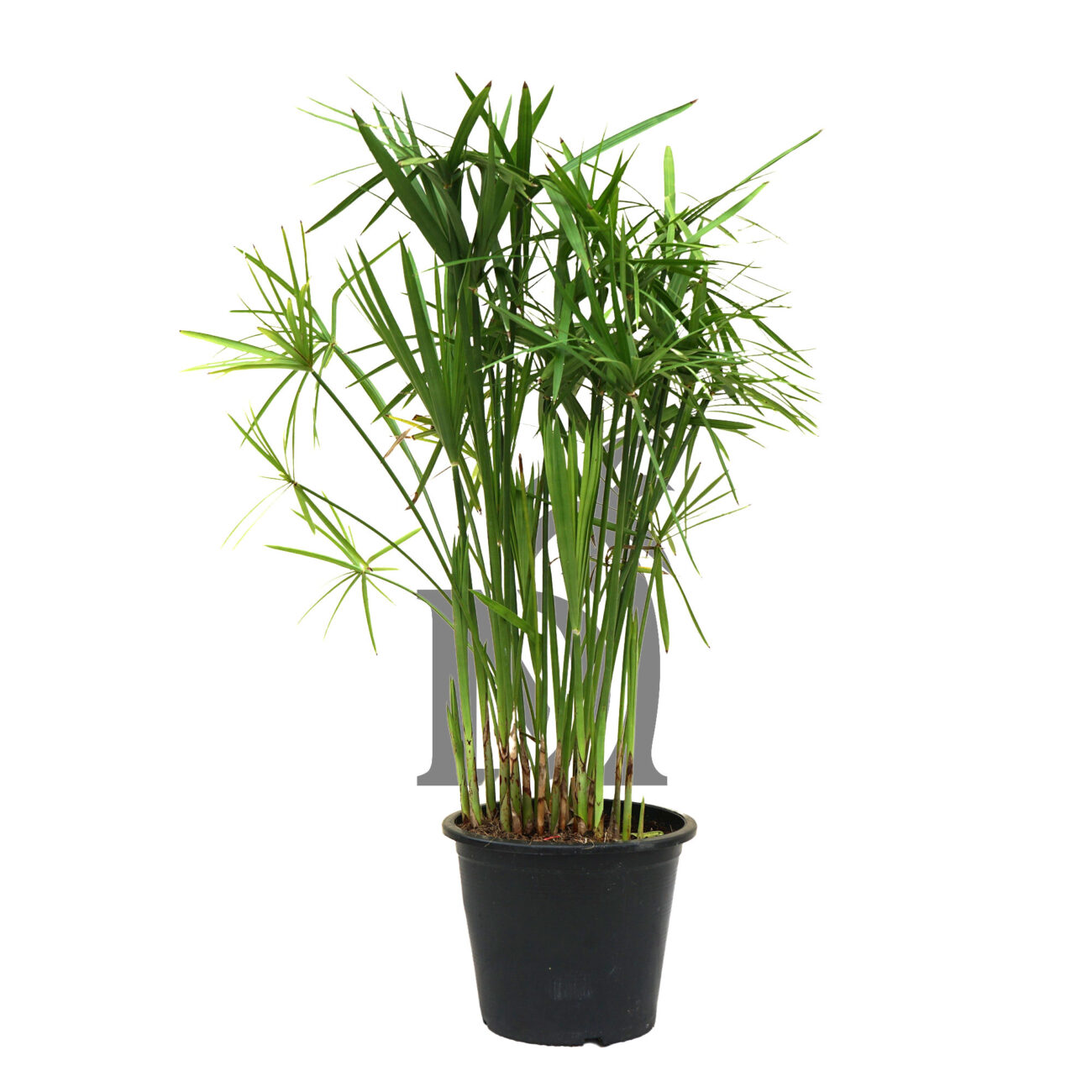
Cyperus Alternifolius

Watering:
Do not allow the soil to dry out.

Fertilizer:
Fertilize the plant once a month, during active growth.

Re-potting:
Because the Cyperus plant cannot withstand cold temperatures, it should be moved to a pot before the first frost in the fall and kept indoors during the winter. When grown in pots, the plant may need to be repotted once a year in a larger pot.

Temperature:
The Cyperus Alternifolius prefers a warm, humid environment and grows best in part shade.

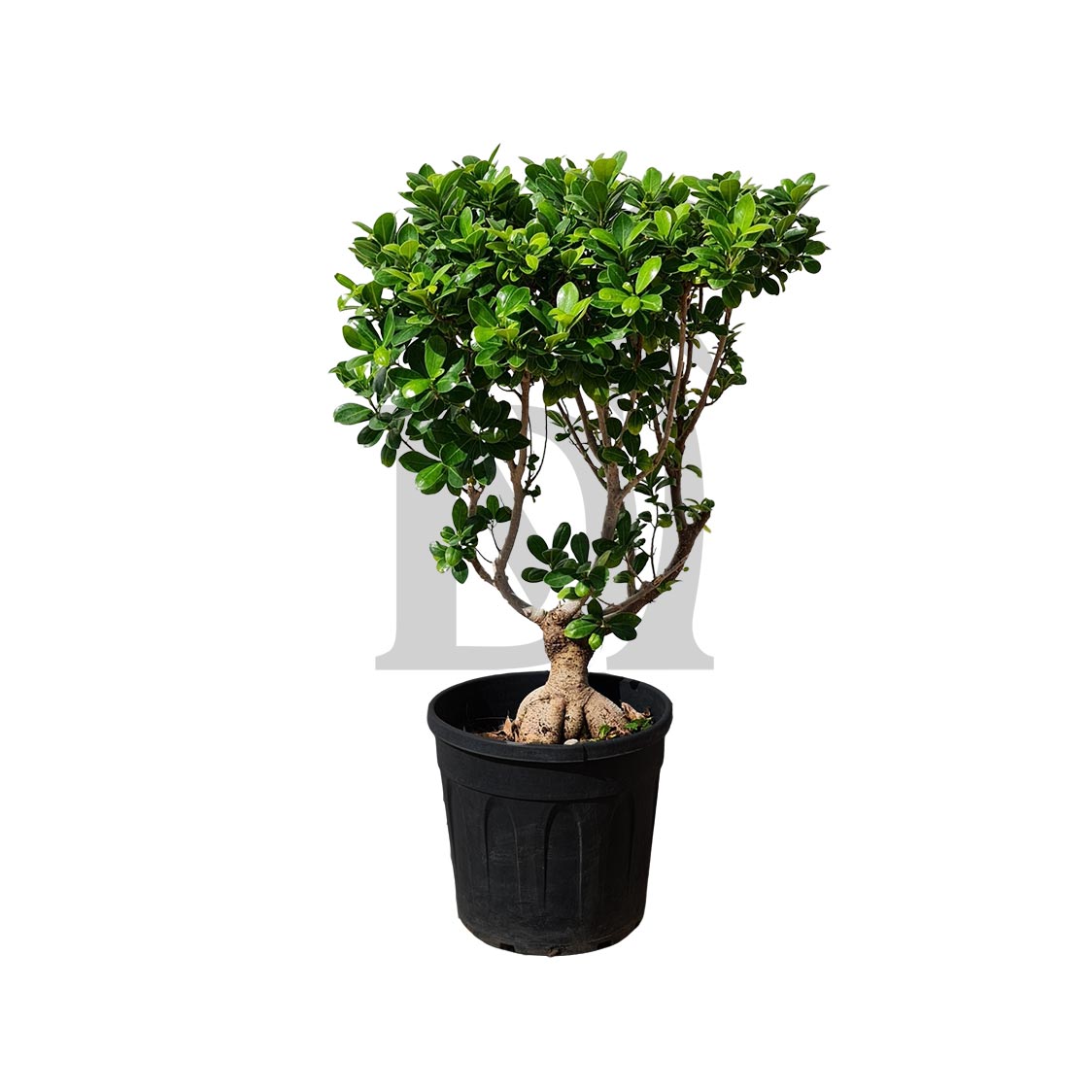
Bonsai Ginseng

Watering:
Water thoroughly whenever the soil gets slightly dry.

Fertilizer:
Dilute any multi-purpose liquid fertilizer by fifty percent with water and apply it monthly.

Re-potting:
Every other year, during the summer, repot your Ficus. Remove the tree and soil from its pot, and then trim the tree’s outer and lower quarters. Avoid over-pruning or removing too much root material. Use the bonsai soil mix to repot the bonsai in its original pot or a new container.

Temperature:
Ficus ginseng prefers the warmth that is typical indoors in apartments and houses, ideally between 15 to 24 degrees Celsius.

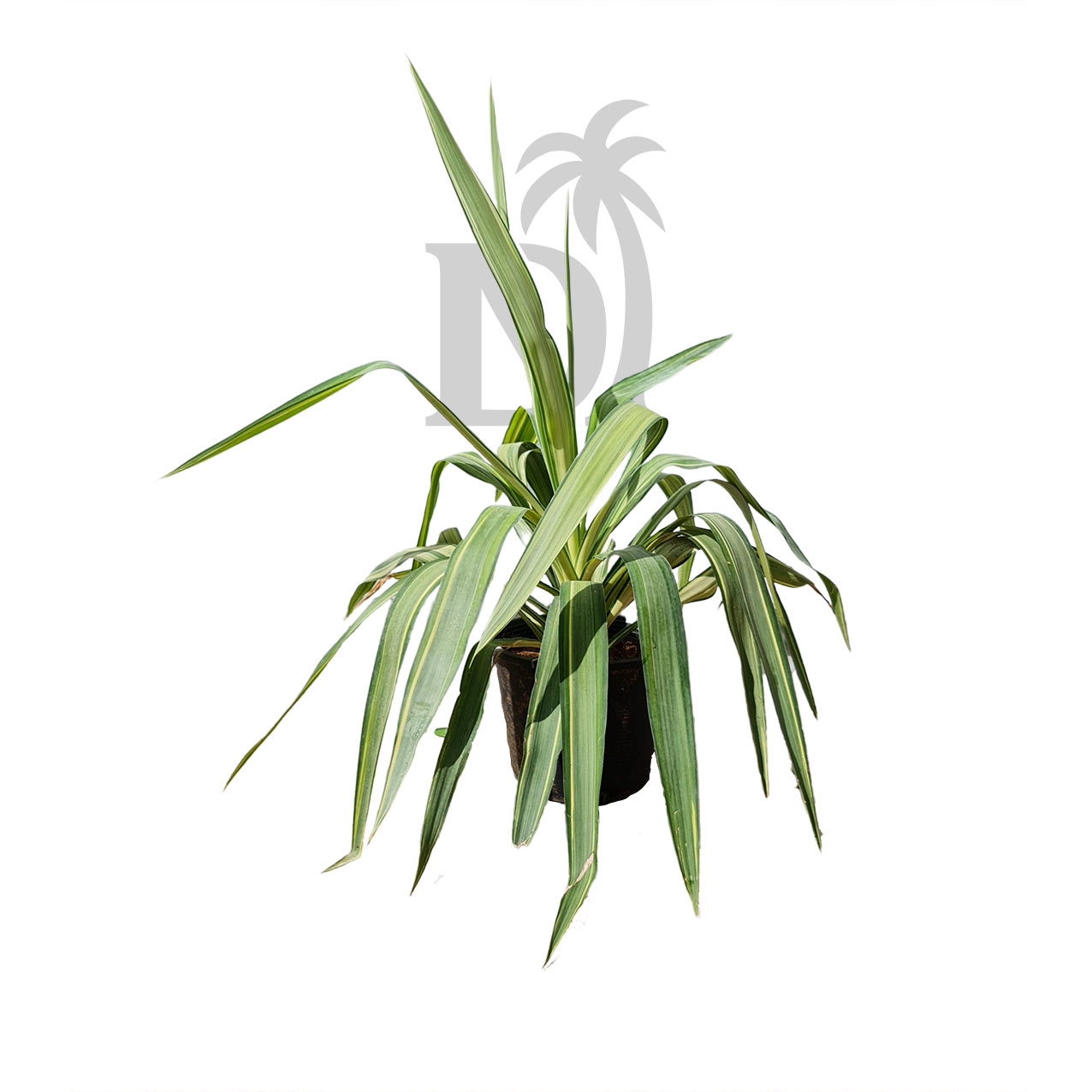
Yucca Jewel – Spineless Yucca

Yucca Jewel is a species of shrubby plant with thick cane stems and sword-shaped leaves. It is also known as spineless yucca, stick yucca, and yucca gigantea. Outdoors, yucca plants can grow in hot, dry areas. Due to its easy maintenance, medium growth, and soft palm-like foliage, the Yucca elephantipes makes a perfect tree-like houseplant. It is regarded as one of the best indoor plants for purifying the air.

Common Name: Yucca, spineless yucca, stick yucca, and yucca gigantea
Origin: Southwestern United States, Mexico, and Central America
Height: 6 feet
Light: Yucca elephantipes prefer bright, direct sunlight but will tolerate some light shade.
Temperature: The Spineless Yucca is hardy and adapts well to pretty much any indoor room temperature (7 – 33°C).

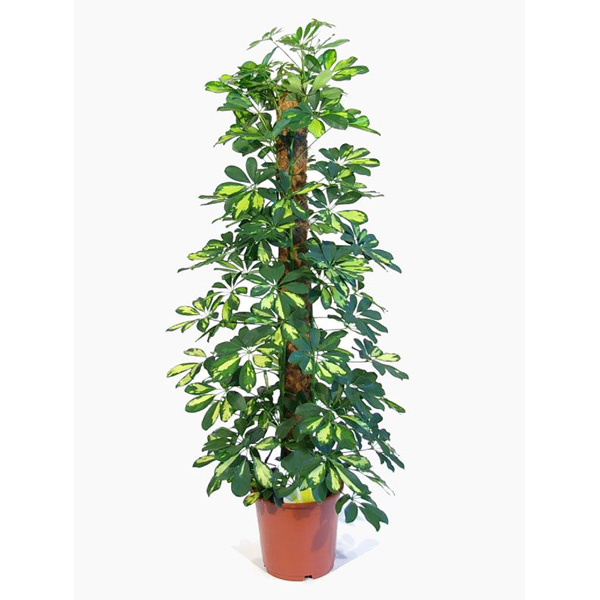
Schefflera (Gold)

Fantastic indoor plants, Schefflera have lovely leaves. They require little maintenance, will put up with some abuse, and contribute to the air purification process.

Schefflera  Gold Capella, also known as the Parasol Plant, has green, glossy palm-like leaves that are oval in shape and irregularly speckled with gold, yellow, and pale green variegation.

Common Name: Dwarf umbrella tree
Origin: Taiwan and Hainan Province, China
Height: 1 – 2m
Light: Best grew in bright, indirect light to partial shade. Insufficient light may cause leggy growth.
Temperature: 15 – 24°C

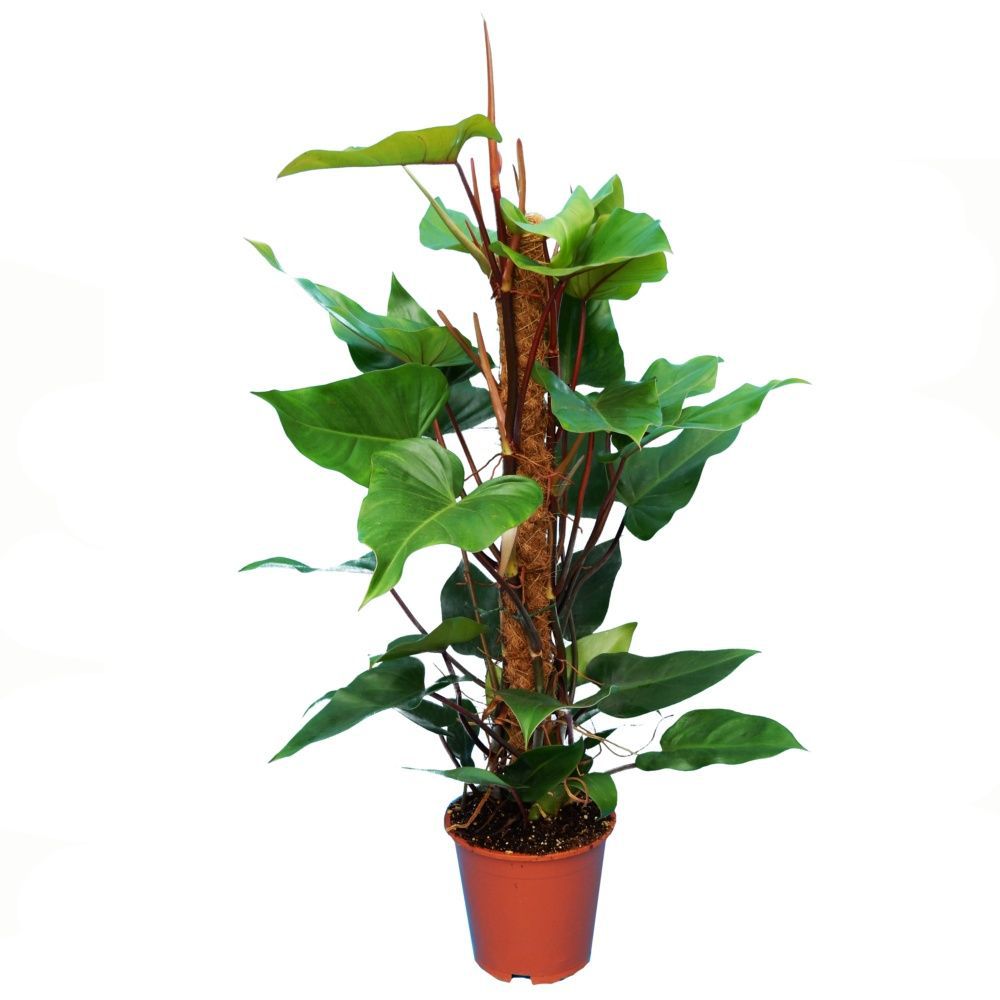
Philodendron – Red Emerald

One of the most unusual and stunning plants in the Araceae family is the philodendron crimson emerald. They are a prized find due to their burgundy crimson leaves and colored undersides that put on a brilliant display as they flow over the pot. The Philodendron Red Emerald is an easy-care climbing houseplant that would look great in your indoor garden collection. It is known for its deep red wine-colored stems.

Common Name: Red Emerald
Origin: Colombia
Height: 6.5 feet
Light: Lots of moderate to bright, indirect light
Temperature: 18 – 30°C

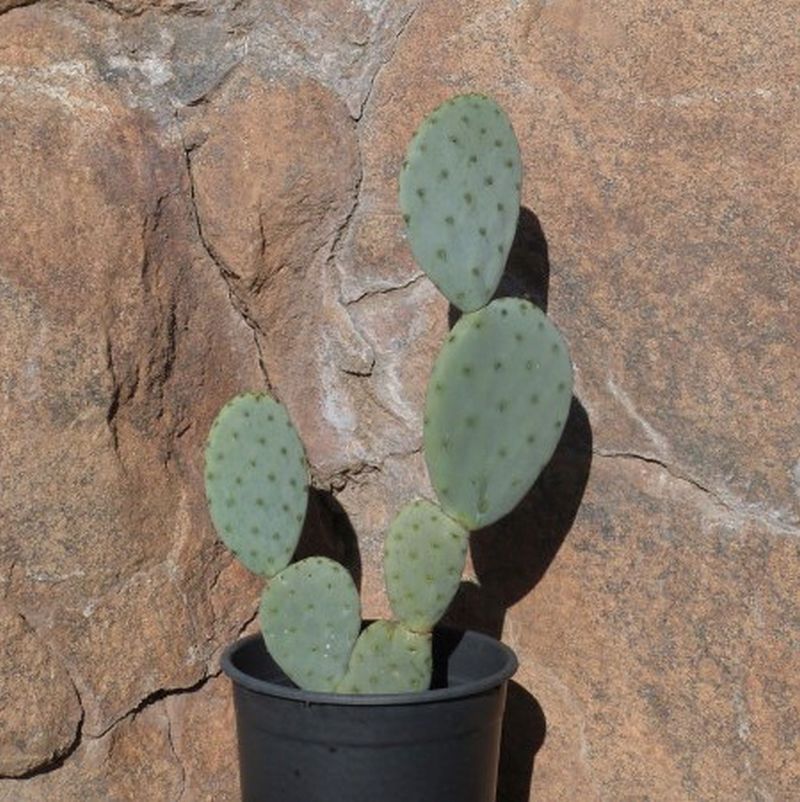
Fig Optunia Cactus (Opuntia ficus-indica)

Plant Bio

Opuntia ficus-indica, commonly known as the Indian Fig Opuntia, Barbary Fig, or Prickly Pear, is a species of cactus native to Mexico. It belongs to the Cactaceae family and is widely cultivated for its edible fruits, ornamental value, and ecological importance. Here’s a description:

Pads: Opuntia ficus-indica features flattened, oval to elliptical pads, also known as cladodes or nopales, that grow in segments along jointed stems. The pads are thick and fleshy, typically bluish-green in color, with clusters of small, sharp spines and tiny, hair-like glochids that can cause skin irritation upon contact.

Flowers: In late spring to early summer, Opuntia ficus-indica produces vibrant, showy flowers in shades of yellow, orange, pink, or red. The flowers are typically large and cup-shaped, borne singly or in clusters at the edges of the pads. They attract pollinators such as bees, butterflies, and hummingbirds.

Fruits: After flowering, Opuntia ficus-indica develops edible fruits known as prickly pears or tunas. These fruits are oval to pear-shaped, with a thick, spiny skin and juicy, sweet flesh that ranges in color from yellow to orange or red, depending on the variety. Prickly pears are harvested when fully ripe and can be eaten fresh or used to make jams, jellies, and beverages.

Habitat: Opuntia ficus-indica is well-adapted to arid and semi-arid environments, where it thrives in sandy, rocky soils with good drainage. It is commonly found growing in desert landscapes, rocky hillsides, and along roadsides throughout its native range.

Care Guide for Opuntia ficus-indica:

Light:

Provide Opuntia ficus-indica with full sun exposure to promote healthy growth, flowering, and fruit production. Place the plant in a location where it can receive at least 6 to 8 hours of direct sunlight per day, either outdoors in a sunny spot or near a south- or west-facing window indoors.

Temperature:

Opuntia ficus-indica is highly tolerant of hot, dry conditions and can withstand high temperatures up to 100°F (38°C) or more. It is also moderately cold-hardy and can tolerate brief periods of frost or temperatures down to 20°F (-6°C) when established. Protect the plant from prolonged exposure to freezing temperatures, as it may cause damage or kill the pads.

Soil:

Plant Opuntia ficus-indica in well-draining soil with a sandy or gravelly texture to mimic its native habitat. A cactus or succulent potting mix amended with perlite, coarse sand, or pumice works well. Ensure the soil is porous and does not retain excess moisture, as soggy conditions can lead to root rot.

Watering:

Water Opuntia ficus-indica sparingly, allowing the soil to dry out between waterings. In spring and summer, water the plant thoroughly when the top inch (2.5 centimeters) of soil feels dry to the touch, and reduce watering frequency in fall and winter when growth slows down. Avoid overwatering, as it can cause root rot and other problems.

Fertilization:

Opuntia ficus-indica is relatively low-maintenance and does not require regular fertilization. If desired, feed the plant with a balanced, water-soluble fertilizer diluted to half-strength every 4 to 6 weeks during the growing season (spring through early fall). Alternatively, use a specialized cactus fertilizer formulated for succulents.

Pruning:

Prune Opuntia ficus-indica sparingly to remove any dead, damaged, or diseased pads, as well as any unwanted growth. Use caution when handling the plant, as the spines and glochids can cause skin irritation. Wear thick gloves and use long-handled pruning shears to avoid injury.

Propagation:

Propagate Opuntia ficus-indica from stem cuttings or pads taken from mature plants. Allow the cuttings or pads to callus over for a few days to prevent rot, then plant them in well-draining soil and water sparingly until roots develop. Place the cuttings in a bright, warm location and avoid direct sunlight until they establish roots.

Pest and Disease Control:

Opuntia ficus-indica is relatively resistant to pests and diseases when grown under the right conditions. However, it may occasionally attract aphids, scale insects, or mealybugs, especially if stressed. Treat any pest infestations promptly with insecticidal soap or neem oil. Avoid overwatering, as it can lead to root rot and fungal diseases.

With its edible fruits, showy flowers, and low-maintenance care requirements, Opuntia ficus-indica is an excellent choice for desert and xeriscape gardens, edible landscapes, and container cultivation. Follow these care guidelines to ensure your Indian Fig Opuntia thrives and remains healthy for years to come. Adjust care practices based on your specific growing conditions and the needs of the plant.

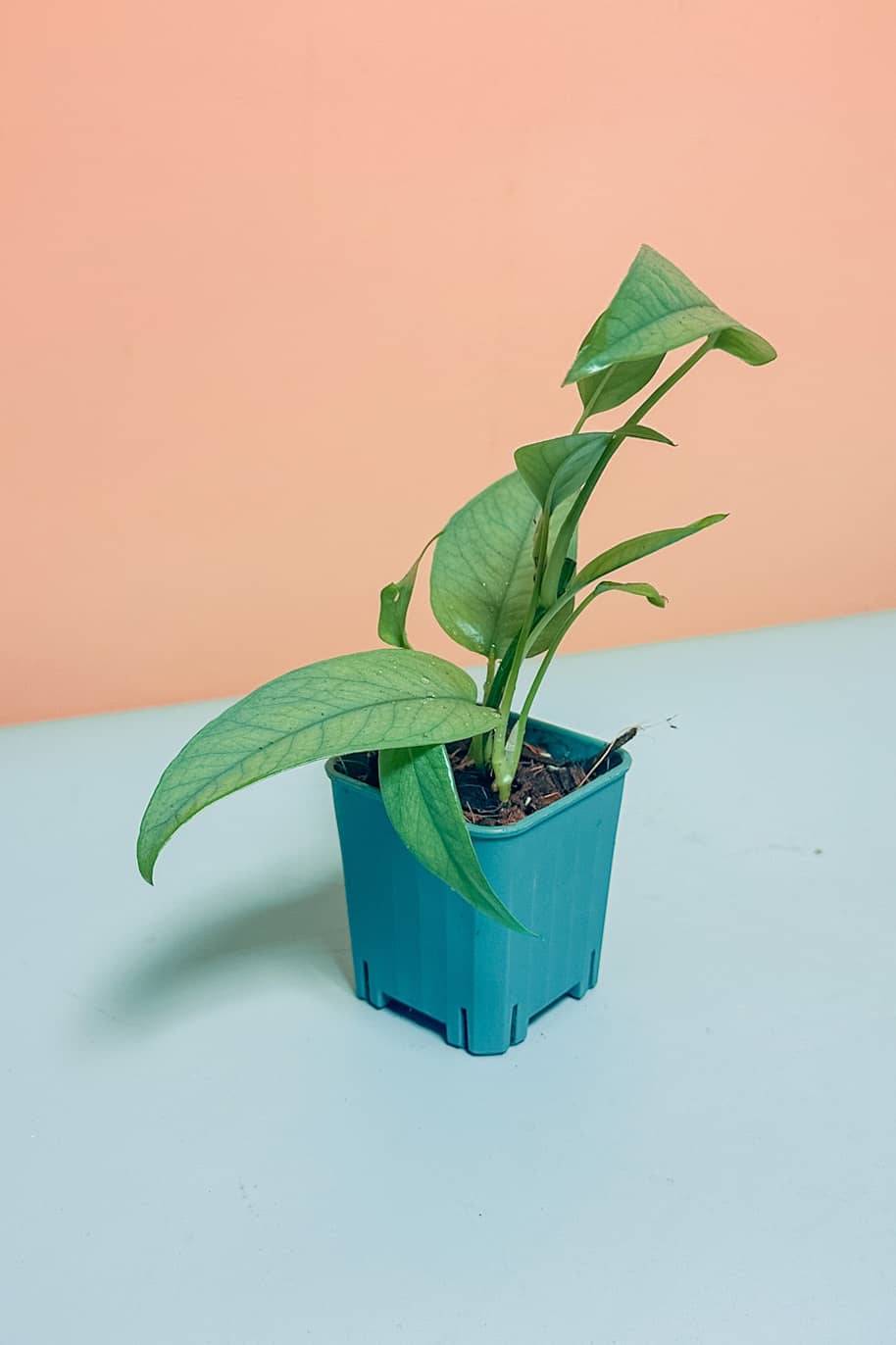
Cebu Blue Pinnatum Mini (Philodendron)

Plant Bio

Epipremnum Pinnatum commonly known as Cebu Blue Pothos is a sparkling variant of pothos that is known for its silvery-blue leaves that seem to sparkle in the right light. The best thing about this stunning plant is that it adapts well to diverse indoor settings. It is also popular because of its low-maintenance quality. A true must have gem for all urban gardeners!

This is a great plant for those who don’t care for anything fussy but still want to benefit from its fantastic display of blue-silvery colored leaves. An undeniably stunning looking pothos choice, if you can offer Cebu Blue pothos a stable home environment, this is one plant that will reward you with fantastic growth for many years to come.

Plant care

Water / Humidity: This plant is very drought tolerant, so water sparingly, especially in the winter. Let the first 4-6 cm of soil dry fully between waterings. Tolerant with normal room humidity conditions.

Light: Bright, indirect light is ideal, but also tolerant of lower light conditions (will grow slower).

Soil / Nutrients: Well draining soil. You can apply a few drops of general houseplant fertilizer to the soil once a month from spring to summer, reducing nutrients during autumn and winter.

Temperature: The range of 12 – 25°C is ideal.

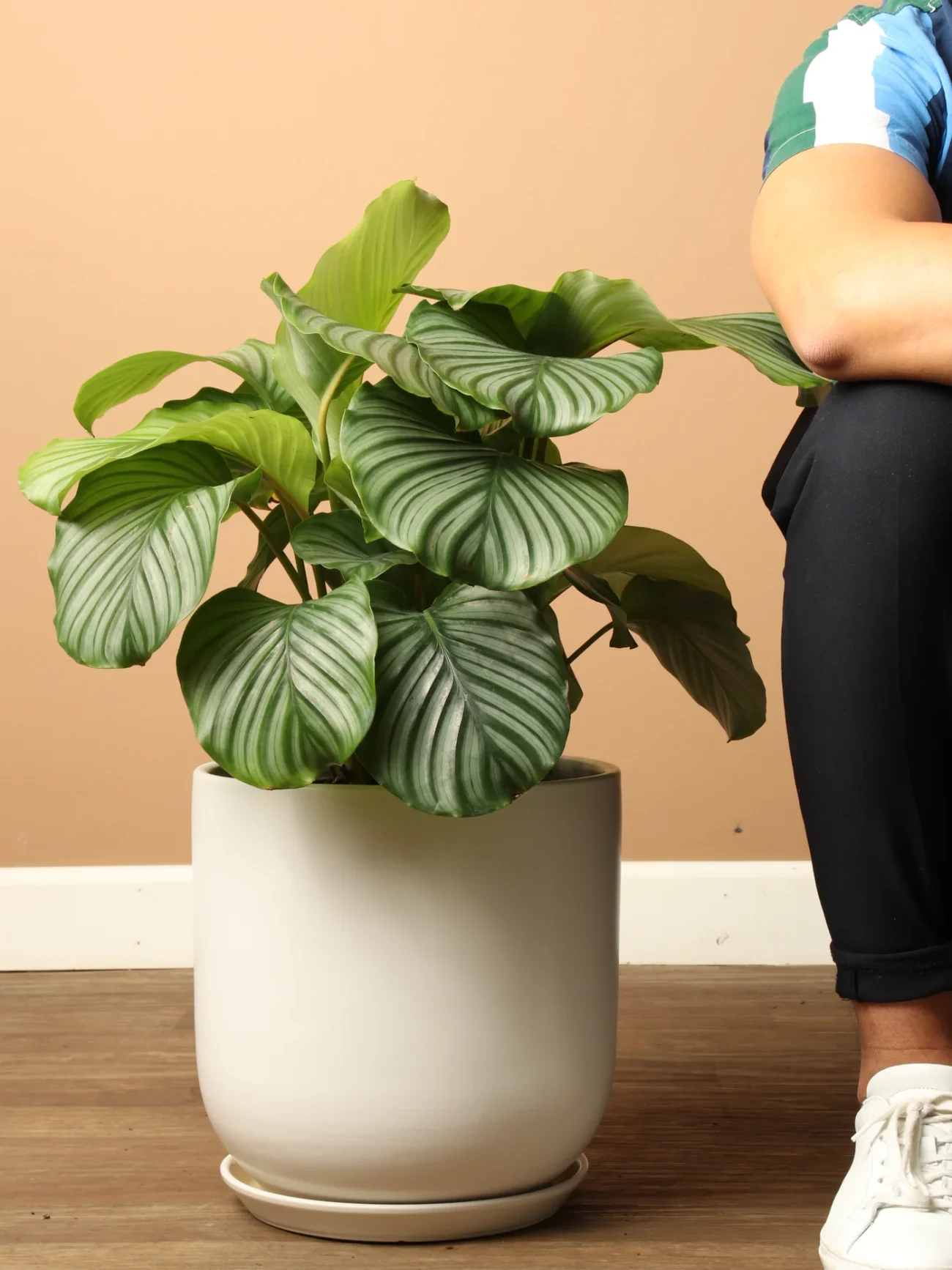
Calathea Orbifolia Large (Calathea orbifolia)

Plant Bio

Buy Calathea Orbifolia Large from Plantshop.me and transform your space with one of the most stunning indoor plants available in the UAE. Known for its oversized, round leaves adorned with striking silver-green stripes, the Calathea Orbifolia is a true showstopper for homes and offices alike. This pet-friendly plant is safe for both cats and dogs, making it an excellent choice for families. Its lush foliage not only adds a vibrant tropical touch but also helps purify indoor air, promoting a healthier living environment.

Ideal for floor pots or as a statement piece on large tabletops, the Calathea Orbifolia thrives in bright, indirect light and high humidity. Keep the soil consistently moist but not soggy, and avoid direct sunlight to prevent leaf scorch. Pair it with other humidity-loving plants like ferns, peace lilies, or spider plants for a lush indoor oasis. Fertilize monthly during the growing season and use a loose, well-draining potting mix to support healthy root growth.

Whether you’re a seasoned plant enthusiast or a beginner, the Calathea Orbifolia Large is easy to care for and instantly elevates any interior with its bold, elegant presence. Order now for fast delivery across Dubai, Abu Dhabi, Sharjah, and the UAE.

Back to Top

Search For Products

Product has been added to your cart
★ Reviews