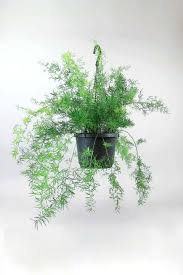
Asparagus Fern Hanging (Asparagus Densiflorus ‘Srengeri’)

Plant Bio
Asparagus Fern is not a true fern, but a member of the lily family (Liliaceae). Long, arching stems densely covered with short, needle-like leaflets give this plant a delicate appearance. It has a cascading habit that makes it ideal for a hanging basket. Mature plants will bloom in summer with small, white-to-pale pink flowers, sometimes followed by clusters of green berries that turn red in the winter. These berries are poisonous if eaten. Florists love the feathery, emerald-greenfoliage in bouquets.
The asparagus fernthrives indappled shade, although it can be acclimated to more light. Avoid direct, bright sunlight and try to maintain a warm temperature. If you have a shady porch outside, or a greenhouse, the indoor plants will likely respond with abundant growth over the summer. Asparagus ferns should be planted in loose, well-draining potting soil. Keeping an asparagus fern hydrated takes a little effort. This plant thrives on humidity. Mist the plant daily, focusing on the arching stems. These plants are considered poisonous and should be kept away from pets and children.
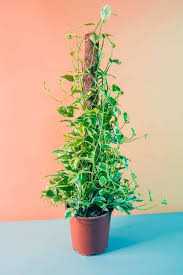
Epipremnum N Joy Tall

Plant Bio
The Epipremnum N’joy is a nice and delicate Epipremnum species. It leaves stay quite small and have a beautiful variegationonthem. Thereby it’s such afast grower and super easy to maintain.
Gives the N’joy a nice place in the house with indirect sunlight. In addition, watering once a week is generally sufficient, but make sure that the soil does not dry out completely. Occasionally misting your Epipremnum N’joy will also be appreciated by the plant!
If you have a lot of plants or just a few, this plant shouldn’t be missing in your urban jungle! You can also combine the N’joy prefect with other Epipremnum species or other hanging plants.
Buy Epipremnum N’Joy Tall from Plantshop.me to add a touch of elegance and vibrancy to your indoor space in Dubai, Abu Dhabi, and Sharjah. This variety of Pothos is known for its striking variegated foliageandeaseofcare making it perfect for both novice and experienced plant enthusiasts

Hermann Tortoise (Hermann)

Product Bio

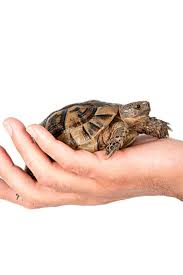
Hermann’s tortoise—along with the spur-thighed tortoise and the marginated tortoise—is a Mediterranean tortoise that hails from the rocky hillsides and oak and beech forests of Mediterranean Europe. This attractive tortoise, with a yellow and brown carapace, thick scales, and strong legs, is highly coveted for its mild temperament and its sheer beauty. Care for this tortoise is relatively easy if you live in a suitable climate with plenty of outdoor space. Otherwise, indoor care is complicated.

The passive and gentle Hermann’s tortoise rarely bites. Typically, it will only bite other tortoises, pets, or humans to defend itself. It does not like to be handled, preferring to stay safely grounded.

This active creature likes to run, dig, forage, and sunbathe. It is not much of a climber. Tortoises frequently interact and can engage in combat, especially during the mating season in spring and fall. During courtship, male tortoises will chase and ram the females, sometimes causing harm. Only bring males and females together if you intend to mate them; otherwise, house them separately.

Housing the Hermann’s Tortoise 

Adult Hermann’s tortoises do not fare well indoors, so keep this in mind before bringing one home. Since outdoor housing is strongly recommended, your outdoor climate should closely resemble the Mediterranean region’s (Italy, Greece, Bulgaria, and Romania) climate.

A tortoise habitat should consist of a shallow pan of water (preferably sunk into the ground) for drinking and cooling off, rocks, small trees and bushes, and a shelter to protect it from extreme weather and predators. The pen should also be escape-proof with fencing or sides dug a couple of feet underground since these active tortoises tend to burrow.

If you ultimately decide to house your tortoise indoors or move it inside during colder weather months, a relatively large enclosure is necessary (2-feet by 4-feet at minimum).

To keep the enclosure clean, scoop up visible pet wastes when you notice them. Change the water pan daily. You will need to change the substrate at least every one to two months.

Heat

If housed outside, daytime temperatures should average around 80 F to 86 F (27 C to 30 C) and shouldn’t fall below 65 F to 70 F (18 C to 21 C) at night. Mimic these temperatures in an indoor enclosure. Lighting will be your primary source of heating for indoor enclosures. Whether inside or outside, it is also necessary to have a cool, shaded area for your tortoise to escape the heat. Make sure the water pan that you provide is deep enough for your pet to immerse its whole body in case it wants to cool off.

Light

If outdoors, the sun will provide adequate lighting. If indoors, provide a basking light or heat lamp that mimics the sun, complete with a basking spot (a set of low, flat rocks work well) with an ambient temperature of about 95 F (35 C).

Tortoises require UVB light to synthesize vitamin D3. Vitamin D3 helps the tortoise absorb calcium, which is crucial for bone structure and growth. All indoor enclosures should include a 10 percent fluorescent UVB tube light with a reflector to spread the UVB rays downward to the tortoise.

Humidity

Humidity is not a significant concern for tortoises. As long as the humidity is at least 25% or higher (most indoor and outdoor environments are), then ambient moisture is adequate for your tortoise.

Substrate

Most pet owners use a substrate or bedding to line the bottom of the cage. In the case of tortoises, they need it for digging. For indoor enclosures, a mix of soil, sand, and composted cypress bark should make up the substrate in your pet’s enclosure. The compost mixture should be about two inches deep so that your tortoise can burrow to cool itself off or get activity and exercise.

Food and Water 

A tortoise’s diet should replicate wild foraging. Choose a variety of leafy greens and grasses to feed your pet. Supplement greens with smaller quantities of broccoli, cabbage, cauliflower, cucumber, and carrots, apples, apricots, grapes, melons, peaches, and strawberries. Feed it once daily at the same time every day from several food trays spread throughout the enclosure. Give them as much food as they will eat within 15 to 30 minutes, or you can estimate the pile of food to offer should be about the size of the animal’s shell.

An indoor tortoise requires nutrient boosters to make up for its lack of direct sunlight. Give your pet a high-quality tortoise food that includes calcium and vitamin D3 supplements. Wild tortoises also eat insects, slugs, and carrion, but if you feed these critters, offer them in moderation. Tortoises are primarily vegetarian; never feed them a dog or cat food.

Hibernation

If the enclosure or outdoor temperature drops below 50 F, your pet tortoise may decide to hibernate. Some species hibernate in the wild for up to five months, usually between October and April. For indoor tortoises, however, it is hard to maintain the environmental conditions conducive to a safe hibernation. Therefore, it’s best to maintain a consistent enclosure temperature, keeping your tortoise active all year long.

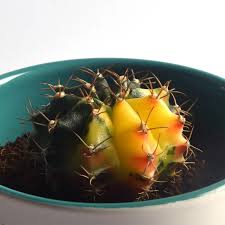
Rare Gymnocalcyium Variegated Cactus Mihanovichi

Rare Gymnocalcyium Variegated Cactus
Mihanovichi

Plant Bio

The Gymnocalycium variegated – shape of this plant presents the typical yellow zones in the exact points where the chlorophyll is absent; such zones will never be identical from one plant to another, thus making each exemplar absolutely unique and, rarefor this reason, very sought after by collectors.

Gymnocalycium mihanovichii f. variegata is a rarely offered, stunning cactus with red and yellow variegation! Commonly known as ‘moon cactus’, this dwarf cactus reaches only about five centimeters in size. Due to its unique variegation, each one of these cacti is one of a kind!

Gymnocalycium mihanovichii f. variegata is an extraordinary cactus admired for its exceptional variegation, which ensures that no two plants will ever look exactly the same. 

Gymnocalycium can be born magnificent flowers on the white with shades of other colors.

Watering: Water the plant regularly throughout the spring and summer months as well as the fall. In the winter months, water infrequently.Before watering, check the soil. It should dry out between watering to avoid the root system rotting away.

Humidity: Moon cacti are native to arid regions and, as succulents, are adapted to low humidity environments. While they can tolerate average indoor humidity levels, high humidity can pose some challenges for these plants. While moon cacti can tolerate average indoor humidity, excessively high humidity can increase the risk of fungal diseases and root rot.

Light:Moon cacti require bright, indirect sunlight. Place them near a south or west-facing window where they can receive several hours of bright light each day. However, avoid exposing them to direct sunlight for long periods as it can lead to sunburn.

Temperature: It can tolerate temperatures down to around 10 degrees Celsius. With that, it is a great plant for your outside space most of the year, but will need to be brought inside during winter.

Origin: The natural species comes from Bolivia, Paraguay and Brazil

Toxicity: Moon cacti are not poisonous to humans and animals. However, their spines, especially those of the rootstock, can puncture the skin, get deep in the muscles, and cause injury.

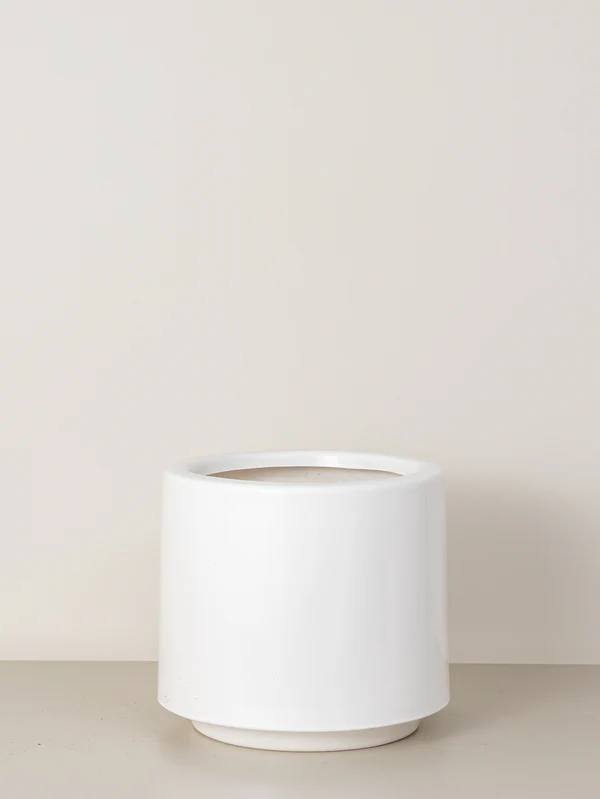
Lily | White (Plastic Fibre Pot)

Introducing the White Lily Pot – a versatile and chic plastic fiber creation that effortlessly elevates your green companions. This pot exudes a sense of purity and timeless charm, making it a captivating addition to any space.

Crafted with precision, the pristine white hue of the White Lily Pot complements your plants while creating a serene atmosphere. Its lightweight yet durable plastic fiber construction ensures your plants thrive while maintaining an air of modern sophistication.

Add a touch of refinement to your indoor or outdoor haven with the White Lily Pot – where botanical beauty meets contemporary elegance.

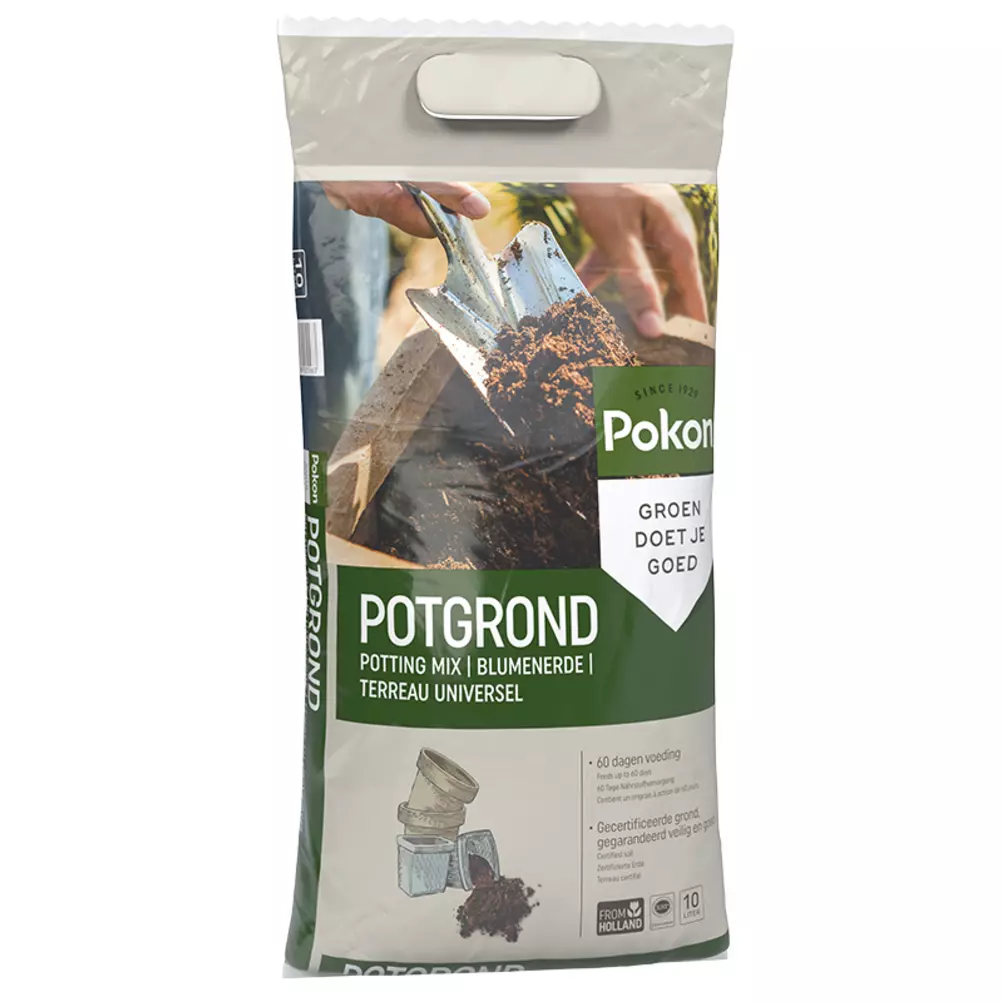
Pokon Potgrond Potting Soil

The potting soil contains only high-quality raw materials, such as peat litter, garden peat, lime, and wood fiber. As a result, water is retained well and plants absorb the nutrients well. In addition, the potting soil contains food for approx. 2 months! Pokon Potting Soil has been developed for all indoor and container plants and is also suitable for perennials and bedding plants.

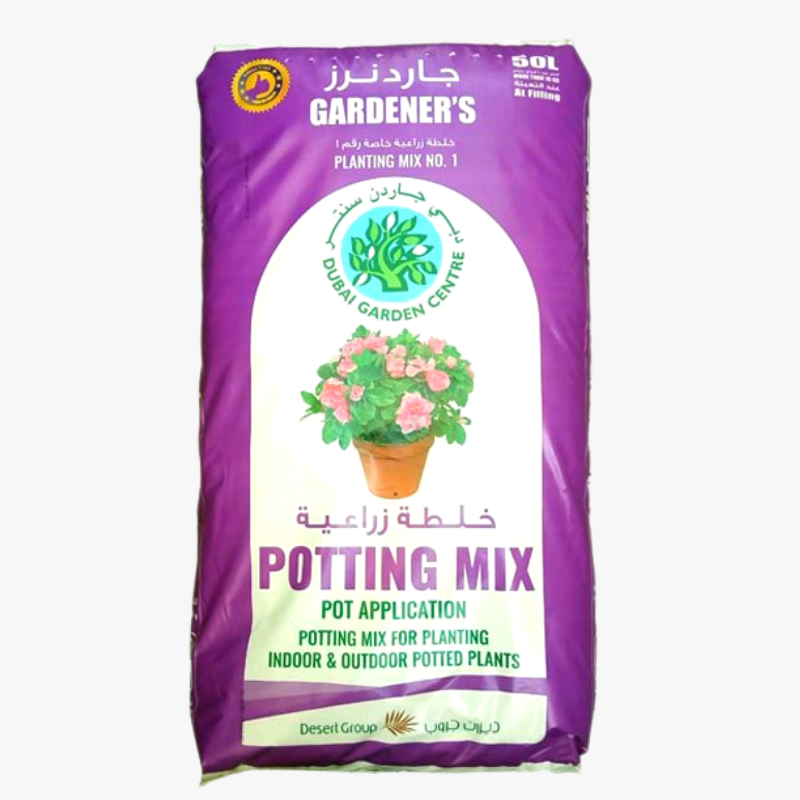
Gardeners Potting Soil

For Indoor and Outdoor potted plants. fill the pot evenly with Gardeners Planting Mix. No.1, place the plant carefully in the pot, fill in the remaining space with potting mix, and press gently. Irrigate well after planting and keep uniformly moist during the plant growth. Irrigate and re-fertilize according to the growth and nutrient requirements of the plants. Ensure overwatering is avoided and sufficient drainage is provided in the pot.

Material: Decomposed plant material

Soil PH: 5.5 – 6.5 Nutrients available to plants: NPK + trace elements.

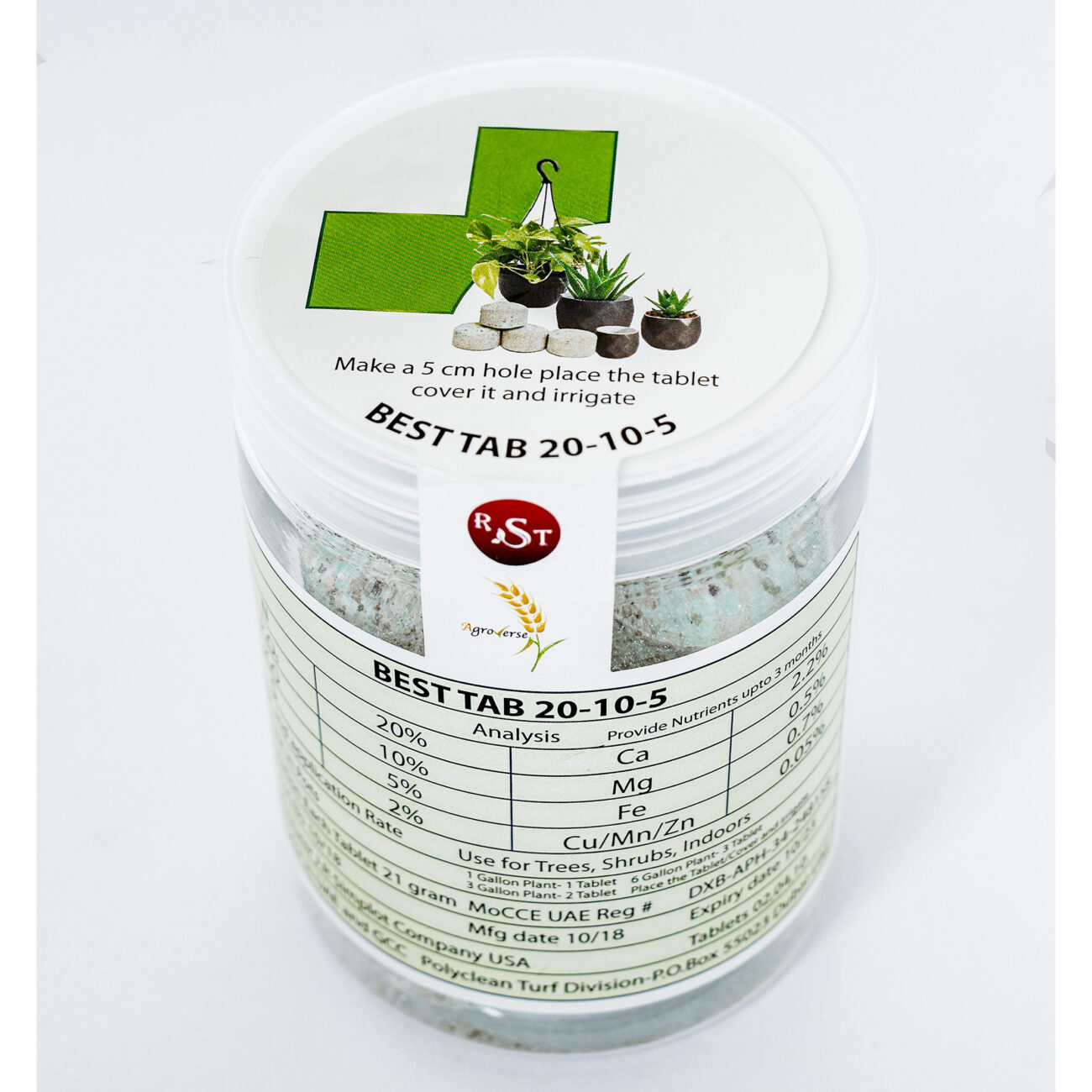
Best Tab Fertiliser

Slow-release fertilizer tablet, the ideal solution for pot and ground plantation and easy use, it will work for three months in an indoor climate and two months outdoors, best for all types of plants including Indoors, Shrubs, Trees, Fruit & Vegetable Plants.

Packaging:

  • 2 Tabs
  • 4 Tabs
  • 10 Tabs

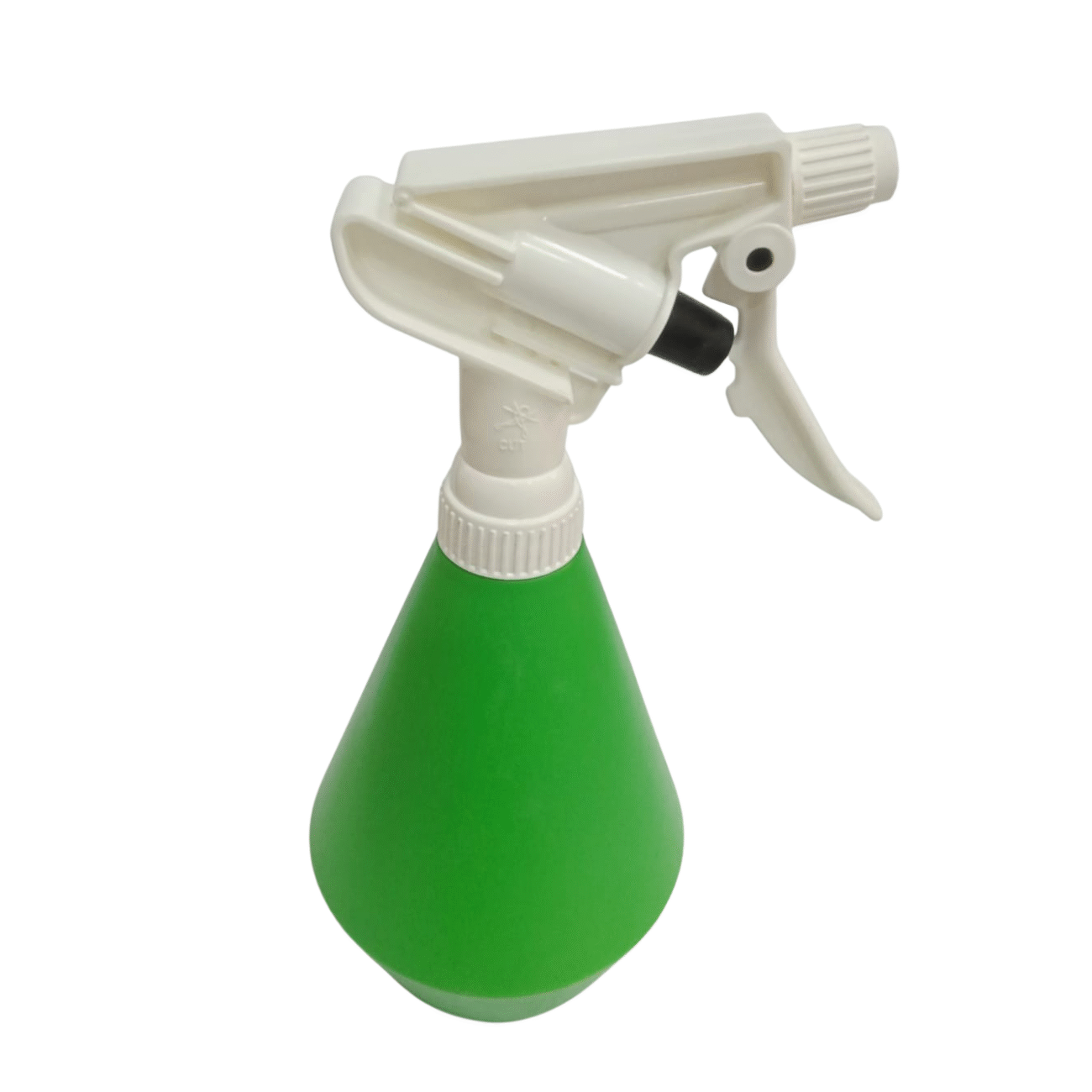
Plant Spray Bottle – 500ml

Use for mist and pesticides/chemical application in indoor and outdoor plantations, adjustable brass nozzle controls the spray output, which is best for misting indoor plants to keep them clean and provide humidity to plants in dry climates.

Back to Top

Search For Products

Product has been added to your cart
★ Reviews