
Description
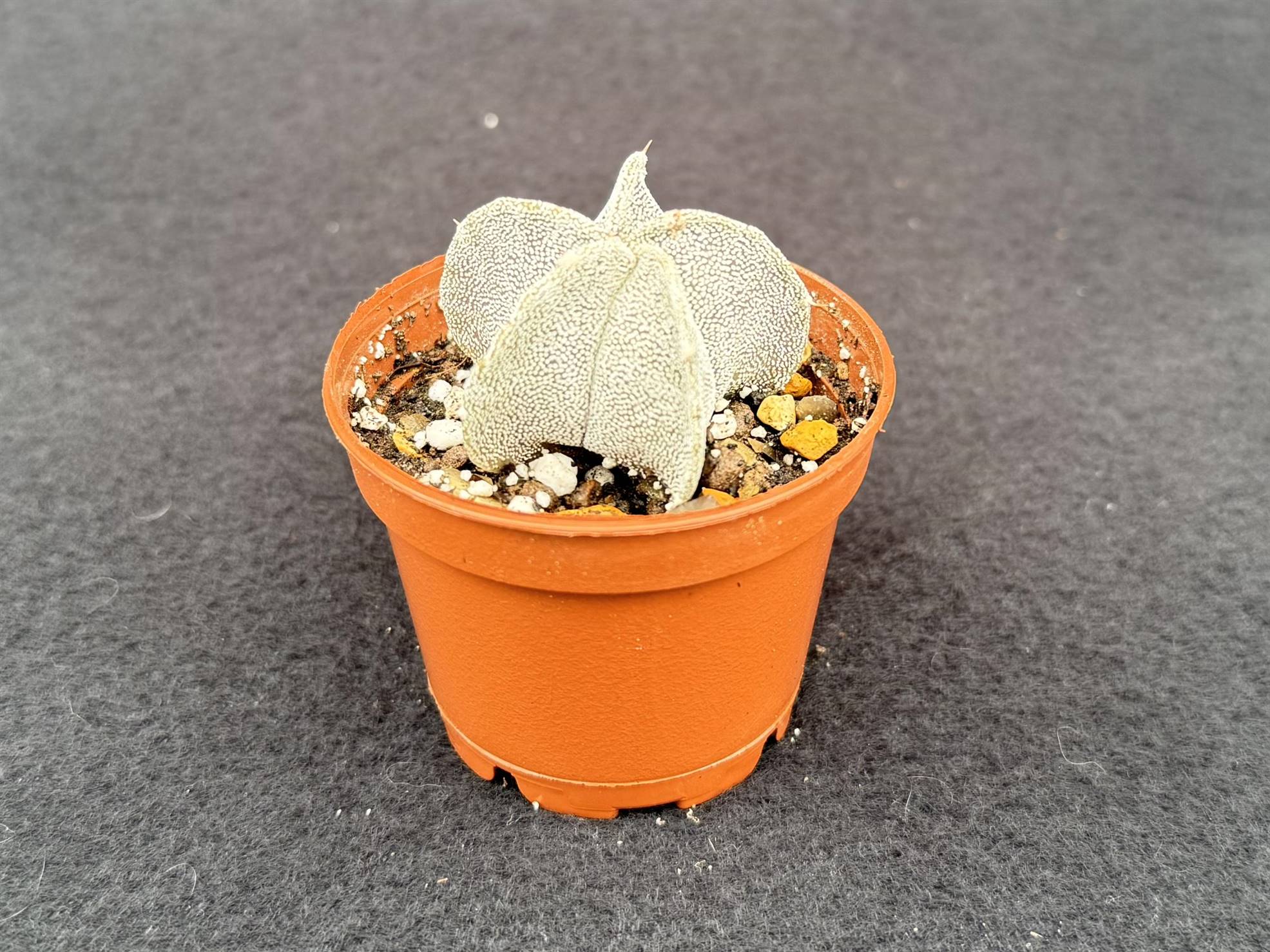
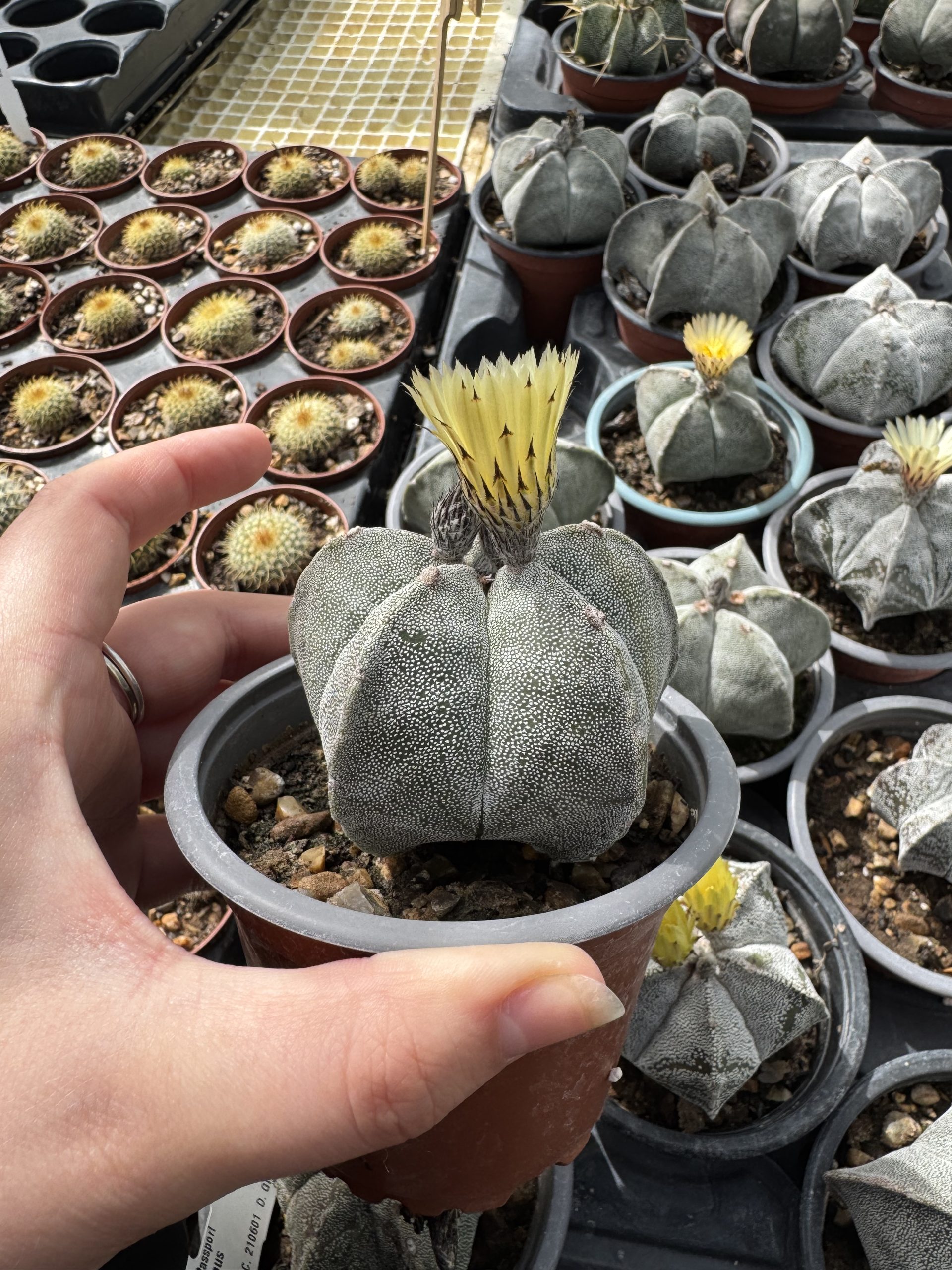
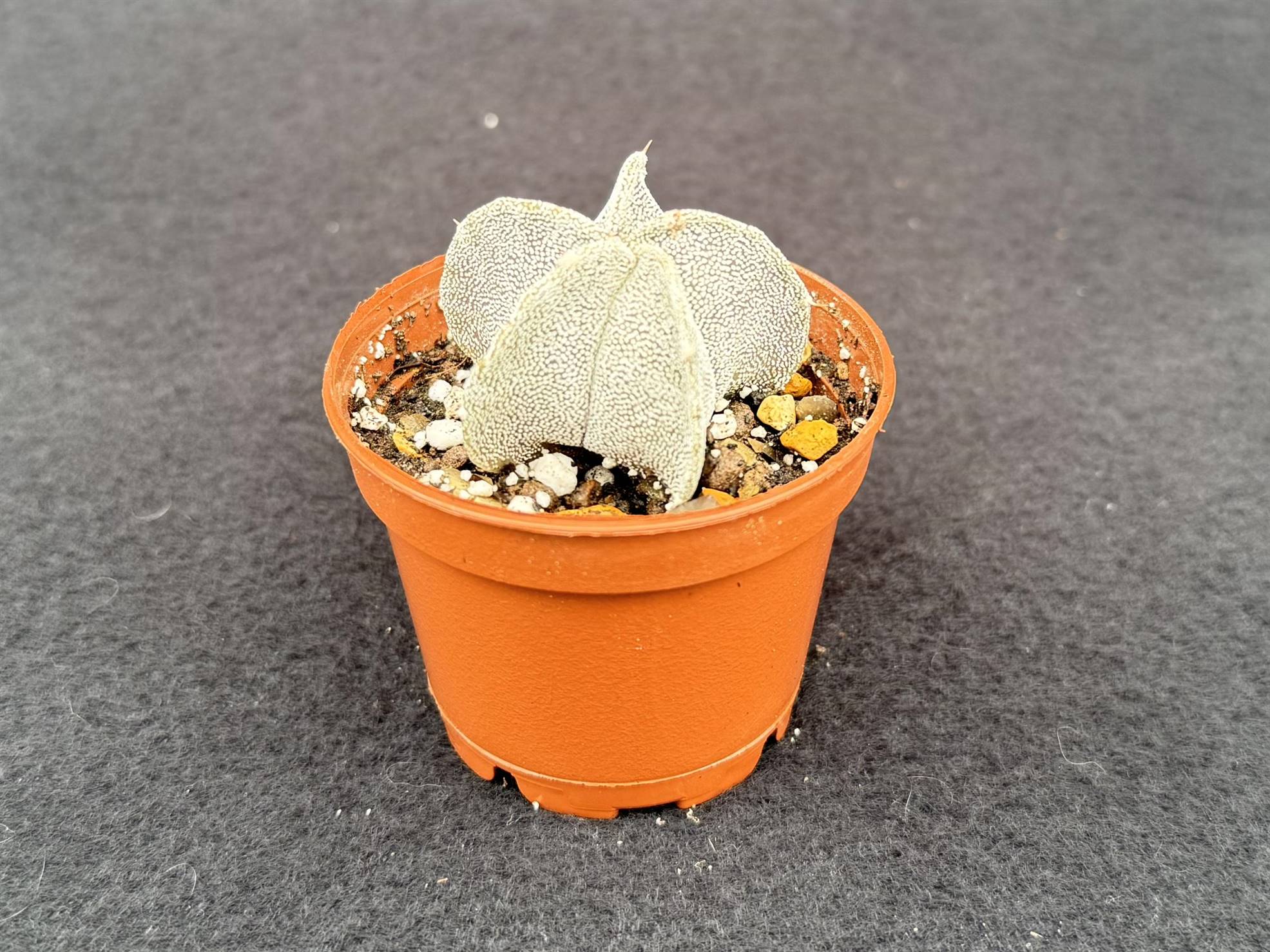
Cactus (Astrophytum myriostigma)
A spineless beauty that brings cosmic calm to your space. The Star Cactus, also known as Bishop’s Cap or Astrophytum myriostigma, is a stunning, low-maintenance cactus with a geometric, star-like appearance. Native to northern and central Mexico and parts of the southern U.S., this spineless cactus is perfect for minimalist plant lovers, modern homes, and beginner gardeners alike. Its unique ribbed body and silvery, speckled surface resemble a bishop’s hat, giving it its popular nickname.
This friendly, spine-free cactus is safe to place around kids and pets (though still best kept out of reach), and it thrives on neglect — needing very little water and fuss to stay happy.
Plant Bio
The Bishop’s Cap cactus is a slow-growing succulent that makes a charming, sculptural addition to any indoor space. With its distinct five-angled structure and fuzzy, woolly areoles, it stands out as one of the more unique cacti in the family. Unlike many cacti, the Star Cactus doesn’t have sharp spines, making it a more home-friendly option. It’s a great plant for new gardeners, and its compact growth makes it ideal for desktops, sunny windowsills, or minimalist plant shelves.
Light Requirements
Young plants prefer filtered light or light shade to avoid sun scorch.
Mature Bishop’s Caps can tolerate bright, indirect sunlight but should be protected from harsh direct rays, especially during peak summer.
Avoid full sun exposure, especially in the afternoon, to prevent discoloration or damage.
Watering Needs
Spring & Summer: Water every 2 weeks, allowing the soil to dry completely between waterings.
Fall: Begin to reduce watering as temperatures drop.
Winter: Withhold water entirely, as the cactus goes dormant.
Resume a regular watering cycle gradually as spring returns.
Temperature & Humidity
Optimal temperatures: Around 70°F (21°C) in spring and summer.
In winter dormancy, keep the cactus at around 50°F (10°C).
Prefers low to moderate humidity (around 50%). Avoid excess moisture to prevent rot.
Soil & Fertilizer
Use a well-draining cactus or succulent soil.
Or, mix your own: 25% coarse sand + 25% pumice + 50% potting soil.
Top with a thin layer of sand or grit to protect the cactus base.
Use a clay or unglazed terracotta pot to wick away excess moisture.
Fertilize once a month during spring and summer using a low-nitrogen cactus fertilizer.
Avoid feeding during fall and winter.


Reviews
There are no reviews yet.