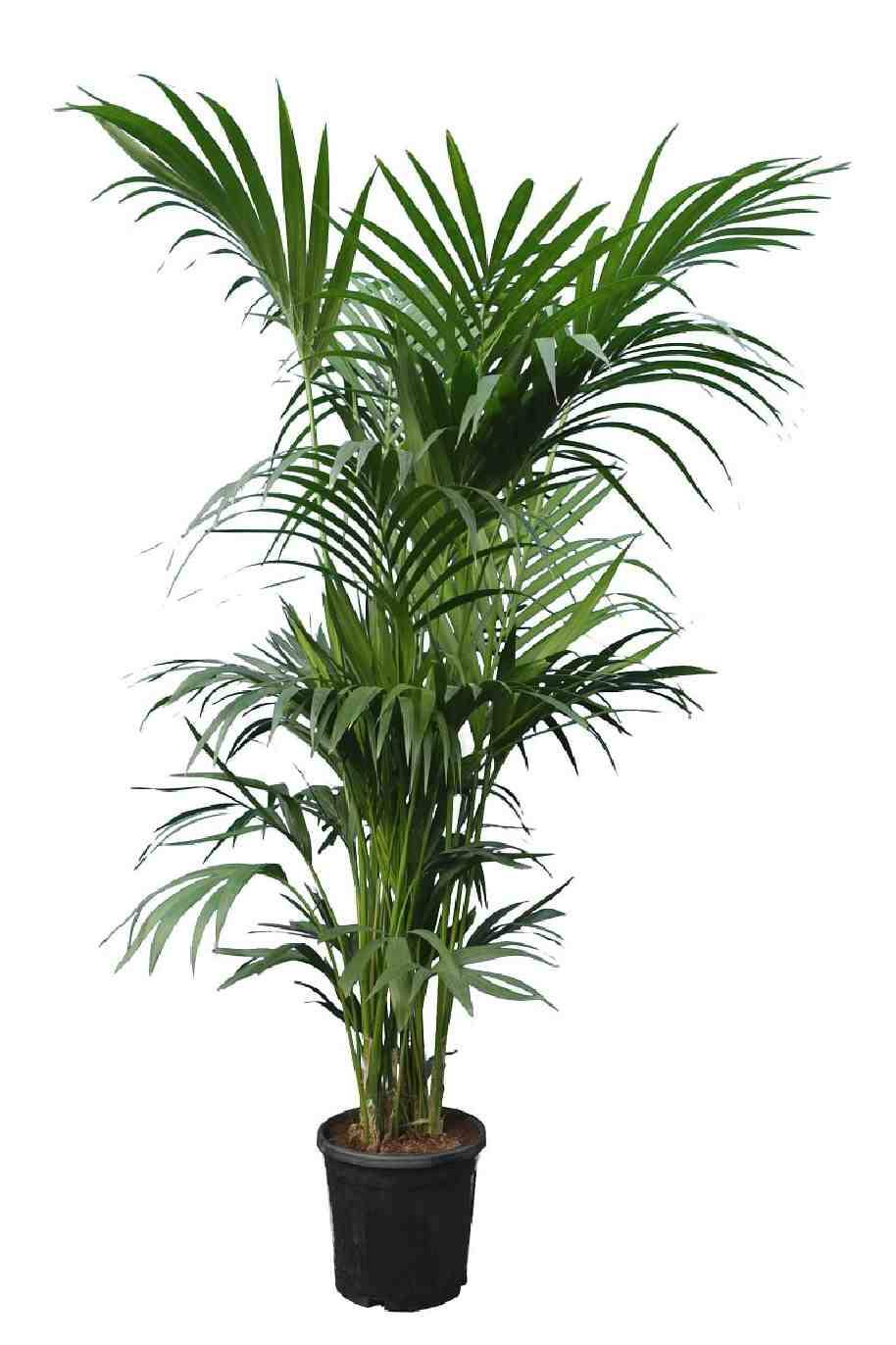
Giant Kentia Palm Holland (Howea forsteriana)

Plant Bio

Kentia palm (Howea forsteriana) is a popular choice among interior decorators because it is well suited for container growing. This elegant palm does very well indoors since it is extremely durable and slow-growing. The Kentia palm is native to Lord Howe Island (off the eastern Australian coast) where it can reach an impressive height of 60 feet. For indoor containerized growing, heights can fall anywhere between 5 to 12 feet. Kentias have upright slender trunks and long arching, feathered, dark green leaves (also known as fronds).

They adapt to a wide range of soil, from clay to loam and acidic to alkaline. Plant container-grown Kentia in a well-draining potting mix, preferably on the sandy side. Once established, Kentia palm plants are fairly drought tolerant, although they do not like to be overly dry, or for that matter overly wet. Water only when the top inch or so (2.5 cm.) of the soil starts to dry out. Mist indoor Kentia palm occasionally to provide some humidity and to remove any dust build-up. They adapt to a wide range of soil, from clay to loam and acidic to alkaline. Plant container-grown Kentia in well-draining potting mix, preferably on the sandy side. Once established, Kentia palm plants are fairly drought tolerant, although they do not like to be overly dry, or for that matter overly wet. Water only when the top inch or so (2.5 cm.) of the soil starts to dry out. Mist indoor Kentia palm occasionally to provide some humidity and to remove any dust build-up. Once Kentia palm plants have established, they require very little care. Feed your container-grown plants with a controlled release fertilizer with an NPK ratio of about 3-1-2. Excessive fertilization may cause the tips of lower leaves to turn brown and die.

Crassula Magical Tree (Crassula Ovata)

Plant Bio

Crassula ovata, commonly known as jade plant, friendship tree, lucky plant, or money tree, is a succulent plant with small pink or white flowers. It is native to South Africa and Mozambique, and is common as a houseplant worldwide.

This South African succulent doesn’t need much attention at all. Just put it in a bright location. Wait till the top of the soil is dry before watering because succulent plants store water. It branches naturally, so it doesn’t need pruning.

Put your plant in a heavy container to help balance its weight — it can get top-heavy. Also, be sure to use a container with a drainage hole to keep the soil from getting soggy. Place the Crassula in direct light (Indoor lighting will also do), with some direct sun. Allow soil to dry out slightly between waterings. Dropped leaves or brown spots on leaves are signs that the plant needs more water. Average room temperatures should be between 15-24°C. Crassula can tolerate average room humidity and dry air.

Cordyline Conga (Cordyline)

Plant Bio

The Cordyline Conga is a stunning ornamental plant known for its vibrant, sword-like foliage that brings a touch of elegance to any space. Whether used as an indoor houseplant or an outdoor garden accent, this versatile plant adds a tropical flair with its striking mix of green, burgundy, and purple tones. It’s a popular choice for UAE homes and gardens, thanks to its adaptability and low-maintenance nature.

The Cordyline Conga thrives in bright, indirect sunlight and can tolerate partial shade, making it ideal for patios, living rooms, or balconies. It requires moderate watering, with soil kept slightly moist but not waterlogged. Its compact growth habit makes it suitable for pots or as a decorative border plant in outdoor landscapes.

This plant pairs beautifully with other tropical greenery like the Dracaena or Bird of Paradise, creating a lush, vibrant display. It’s also an excellent choice for those new to gardening, as it’s hardy and resistant to common pests.

Care tips: Place your Cordyline Conga in a well-draining pot or soil, water moderately, and wipe its leaves occasionally to keep them dust-free and glossy. Feed with a balanced fertilizer during the growing season for best results.


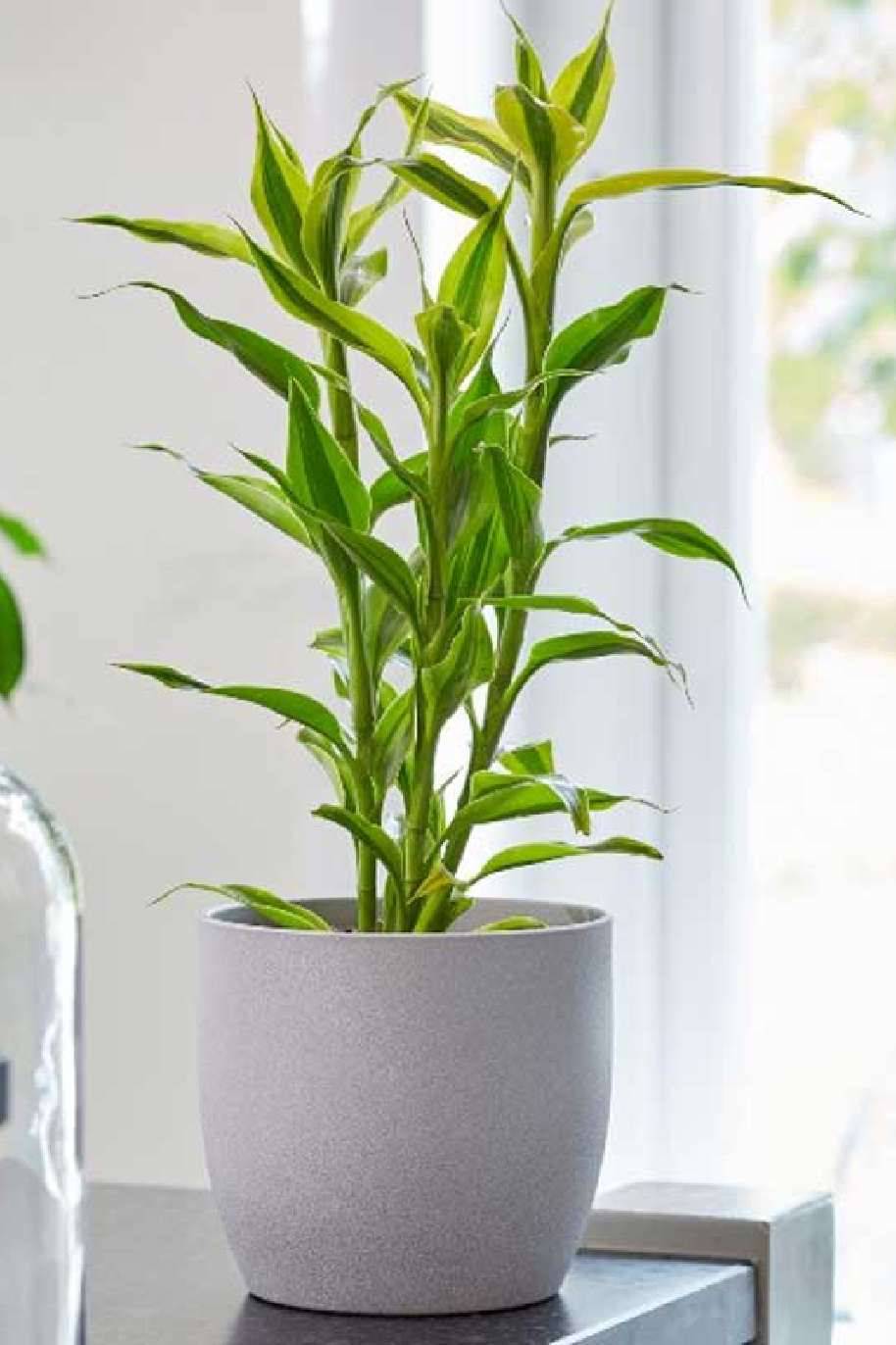
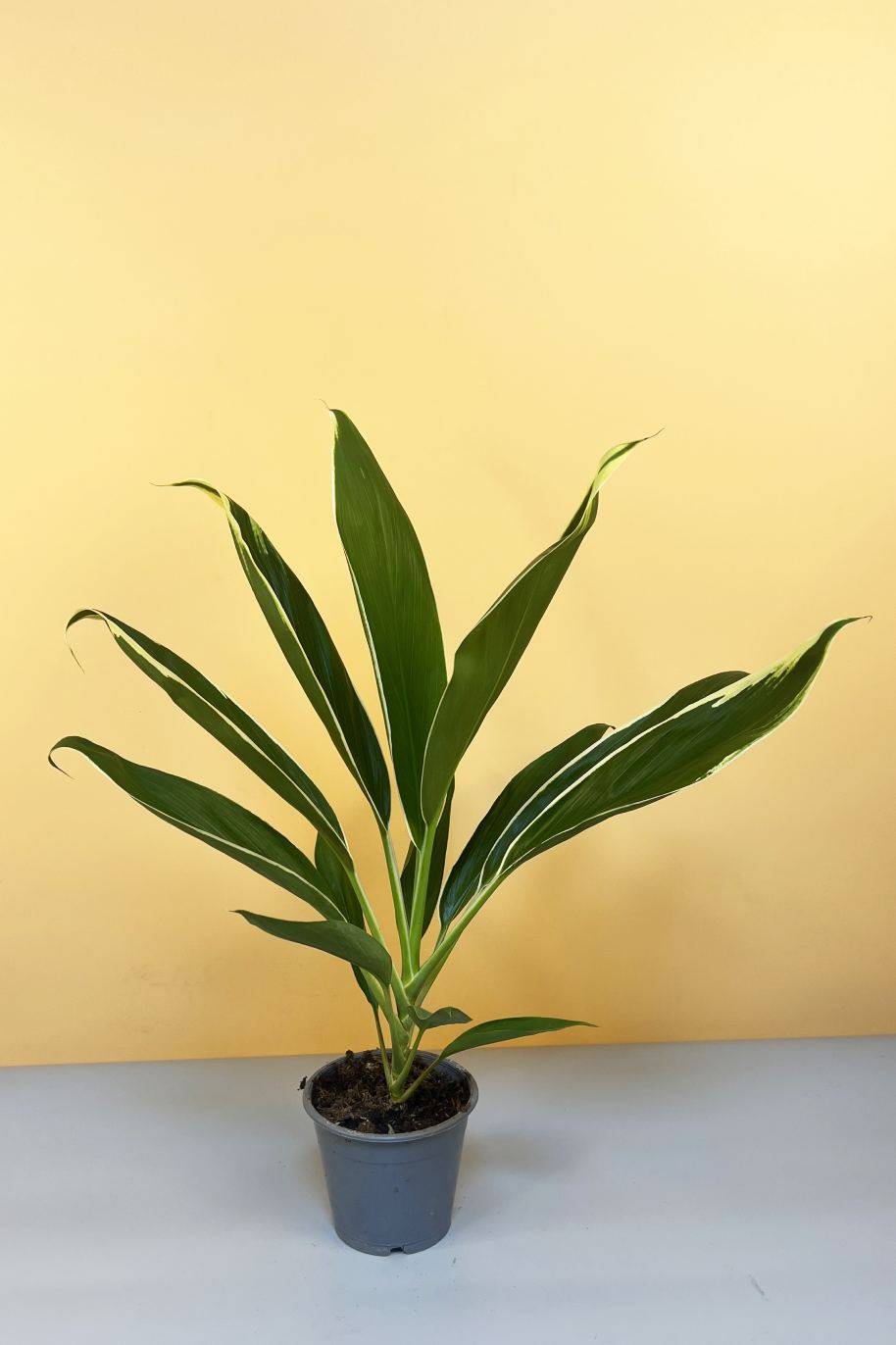
Dracaena sanderiana Lemon Stripe (Dracaena)

The Chinese give away the Lucky Bamboo or Lucky Bamboo to give luck, for example, when starting a business, buying a new house, etc., hence its name.

Light

It goes well with intense but subdued light. It grows both in the shade and in the light and with temperatures ranging from 15 to 32ºC, which makes this a perfect plant for the home.

Humidity

Lucky Bamboo is not demanding on humidity.

Irrigation

It can be grown in a pot like other indoor plants. It will not need many risks. It’s actually an  agavácea , so it requires the care of a yucca, more or less.

Pass

Add a little liquid fertilizer to the water once a month (a few drops).

Plagues and diseases

Mealybugs and fungal leaf spots are the most frequent problems with lucky bamboo. The former are removed by hand with alcohol and the fungus with fungicide.

ADDITIONAL INFORMATION:

– These plants can be grown in soil or even placed in a vase-like container with enough water to cover the roots. Change the water in summer once a week with clean water, and in winter – less often. Depending on the cases, it can live more or less time in water, being more reliable and durable when growing on land.

Philodendron Pedatum Tall (Philodendron)

Plant Bio

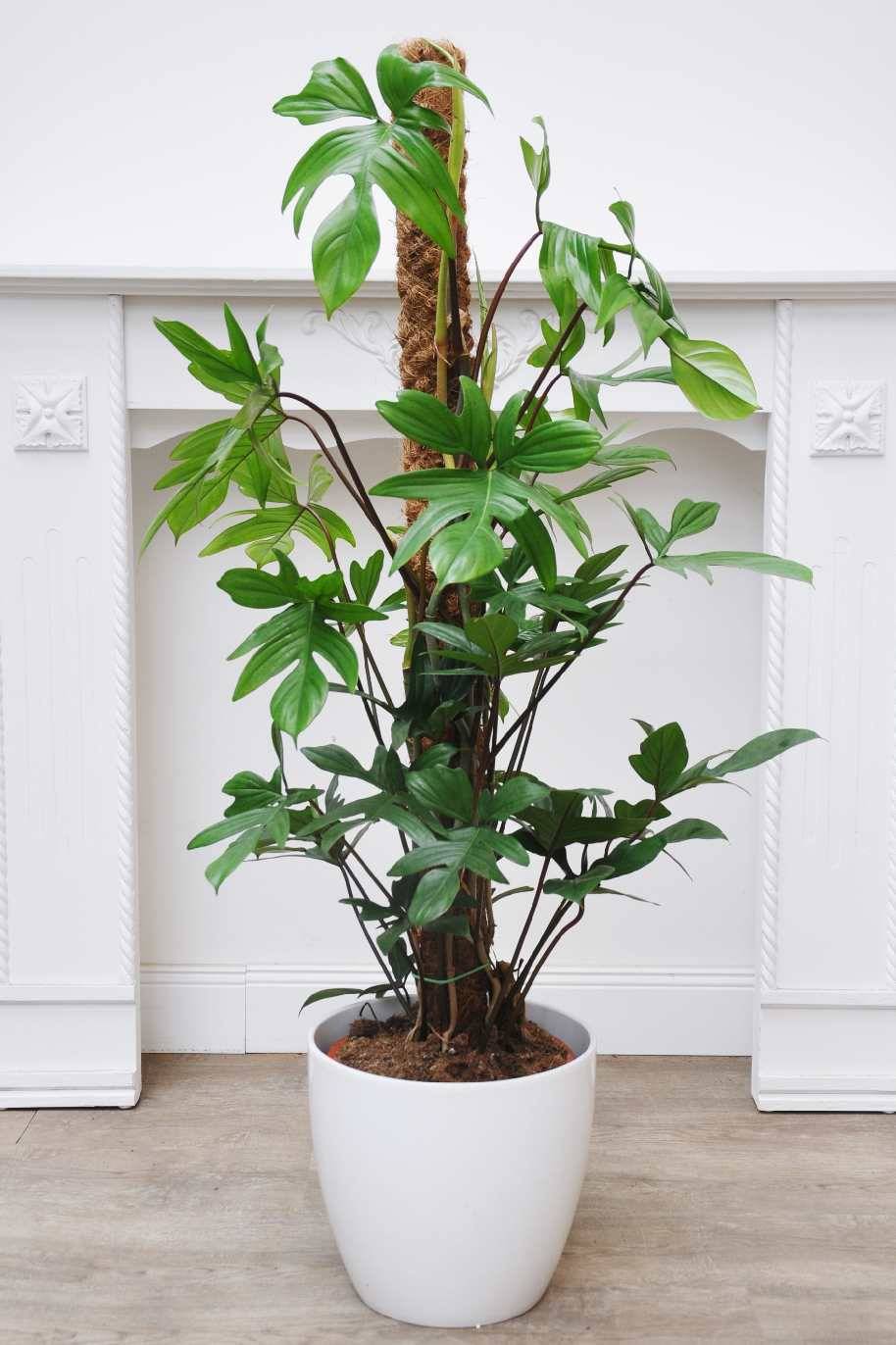
In different stages of their development, the leaves of the philodendron Pedatum can take up a variety of shapes, but generally follow the oak-leaf structure, hence the other name for the plant — Oak Leaf Philodendron.

It’s considered a beginner-friendly plant, so whether you’re looking to add another philodendron variety to your collection, or just starting with indoor gardening, this plant will be easy to grow.

The pedatum can grow in a range of light conditions but seems to be favoring bright indirect light or dappled light the most. It can grow in low light conditions too, but it’s growth will be slower. It doesn’t tolerate direct sunlight because of its delicate leaves that can easily scorch under strong sunlight. Should the leaves of your pedatum start to turn yellow or brown, assess the level and intensity of light it receives and move it out of direct light.

Watering seems to be one of the most problematic aspects in caring for the philodendron pedatum. It simply doesn’t tolerate overwatering, so you always need to check the soil to see how moist or dry it is before adding more water. To avoid overwatering but also to make sure my plant doesn’t get dehydrated, I use the soak and dry method. That is, I water my philodendron deeply, then allow the top level of the soil to dry, and only then do I water it again. Some prefer adding only little water but more frequently, which can also work, however, with that method you’re also likely to overwater if the soil doesn’t drain well or if it doesn’t dry until the next watering. Therefore, regardless of the watering method you decide to use, check the soil for moisture.

Radermachera Double Head (Radermachera Sinica)

Plant Bio

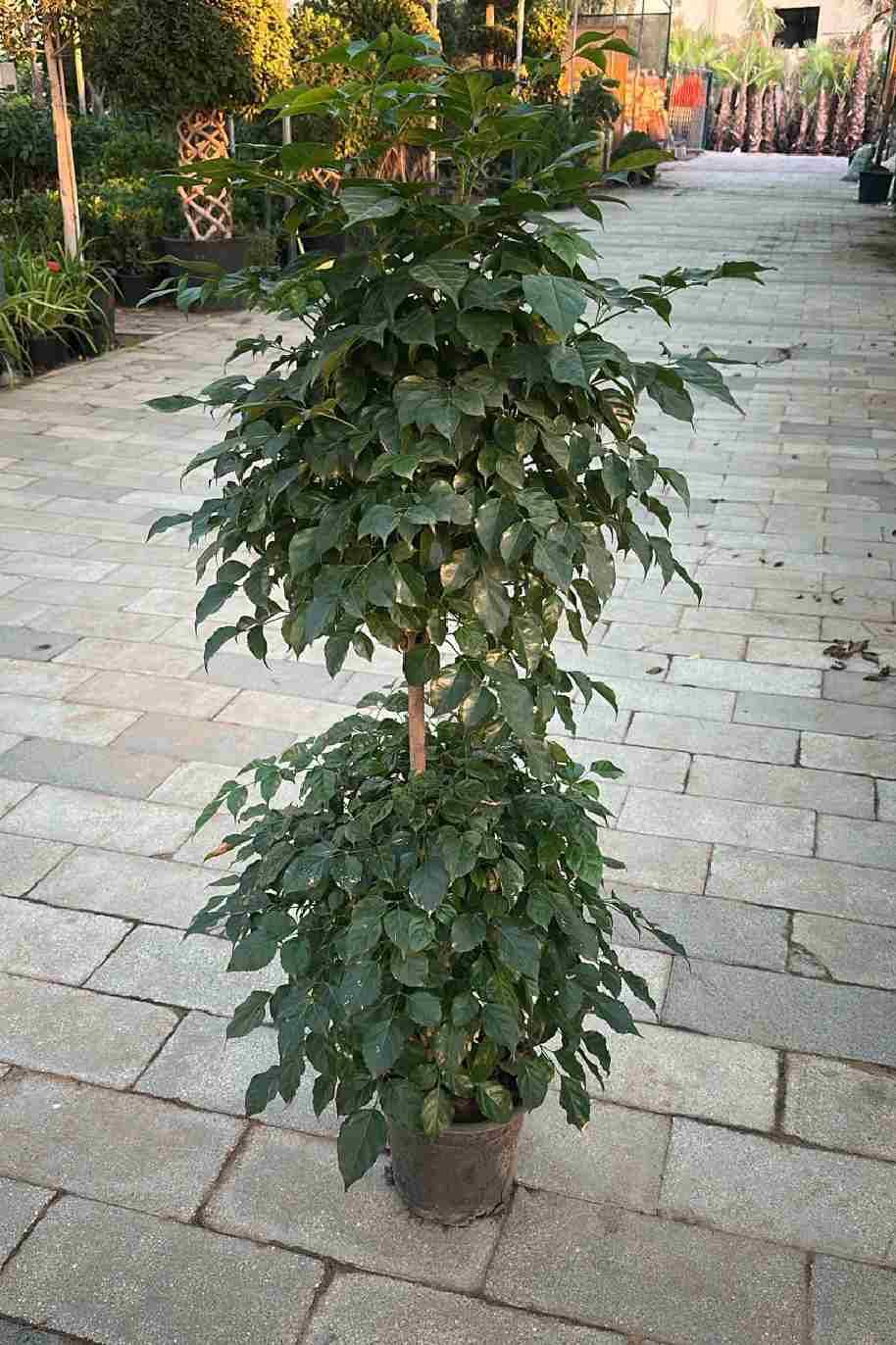
The Radermachera Double Head is a stunning foliage plant that adds a touch of elegance and greenery to any indoor or outdoor space. Known for its dense, glossy green leaves and unique double-headed growth, this plant is perfect for creating a lush, natural ambiance in homes or offices. It is an excellent air-purifying plant, helping to improve indoor air quality while enhancing the aesthetics of your space.

Native to tropical climates, the Radermachera thrives in bright, indirect light and prefers a well-draining soil mix. It’s ideal for UAE homes as it adapts well to warm temperatures and moderate humidity levels. Place it in living rooms, offices, or patios to enjoy its lush foliage and refreshing presence.

Care tips: Water the plant when the top inch of soil feels dry, avoiding overwatering. Prune occasionally to maintain its shape and promote new growth. Feed it with a balanced liquid fertilizer every month during the growing season for optimal health.

Pair the Radermachera Double Head with other tropical plants like Fiddle Leaf Fig or Rubber Plant for a striking indoor garden. Easy to care for and visually captivating, this plant is a must-have for green enthusiasts!

Philodendron Brasil Hanging (Philodendron)

Plant Bio

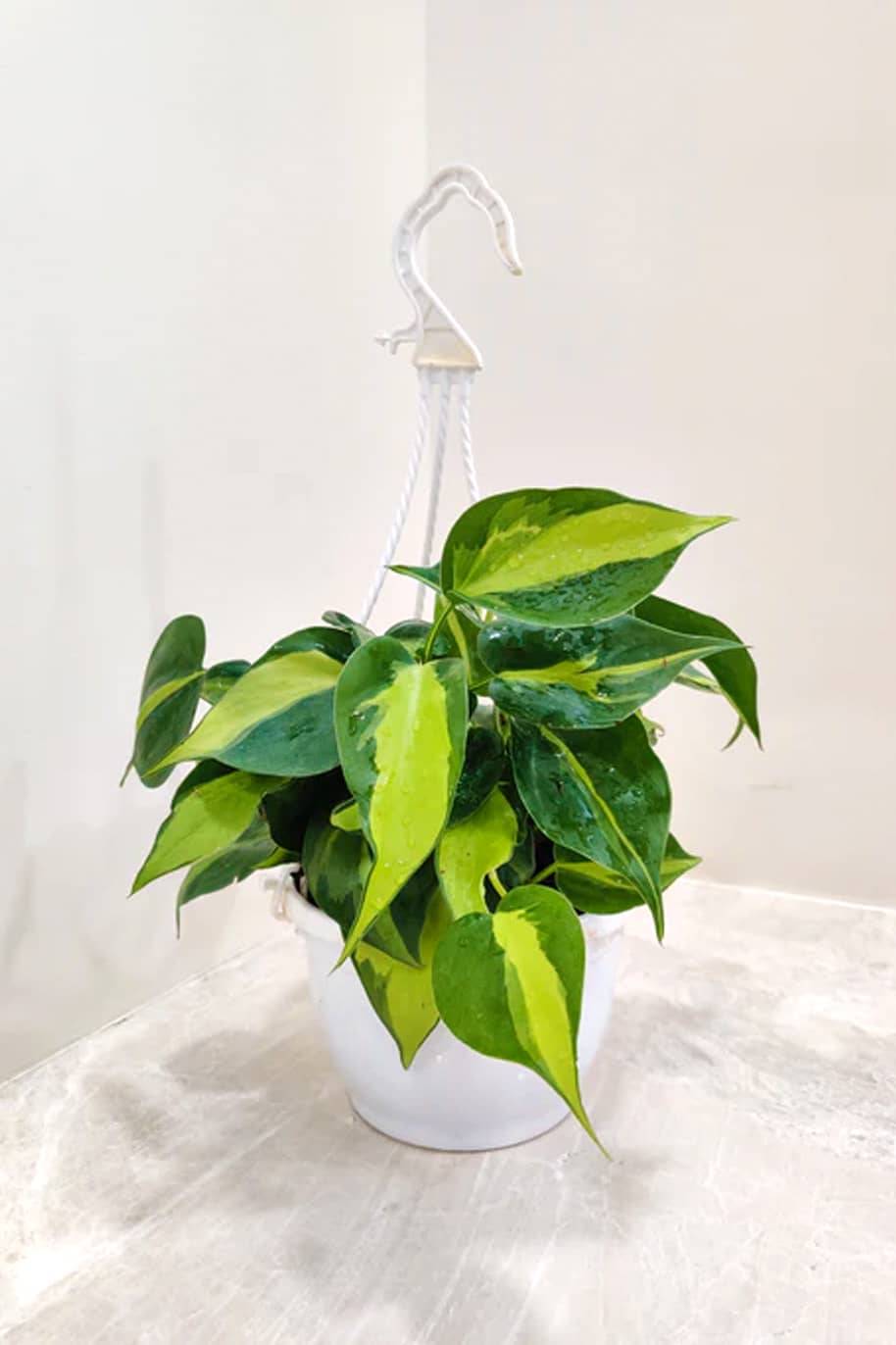
The Philodendron Brasil offers a colorful twist on a classic houseplant and is surprisingly easy to care for. With heart-shaped leaves in different shades of green and yellow, this trailing plant earned its name thanks to the close resemblance to the Brazilian flag. Read on to learn everything you need to know about taking care of your Philodendron Brasil from the amount of water it needs, its light requirements, and how to overcome the common issues you might encounter along the way.

While it can survive in low light conditions your Brasil will show its variegation best in medium to bright indirect light. Be careful not to give them too much sun though, placing them in direct sunlight can cause leaf burn.

Water about once a week and allow the topsoil to dry out between waterings. Avoid overwatering, and note that your watering schedule may be less frequent during winter months.

You can either keep you Brasil in a hanging pot and let its leaves trail down or you can train it to grow upwards by using supports. This plant is considered a fast grower. Fertilize your Philodendron Brasil 1-2 times per month in the spring and summer with indoor plant food, or foliar feed year round.

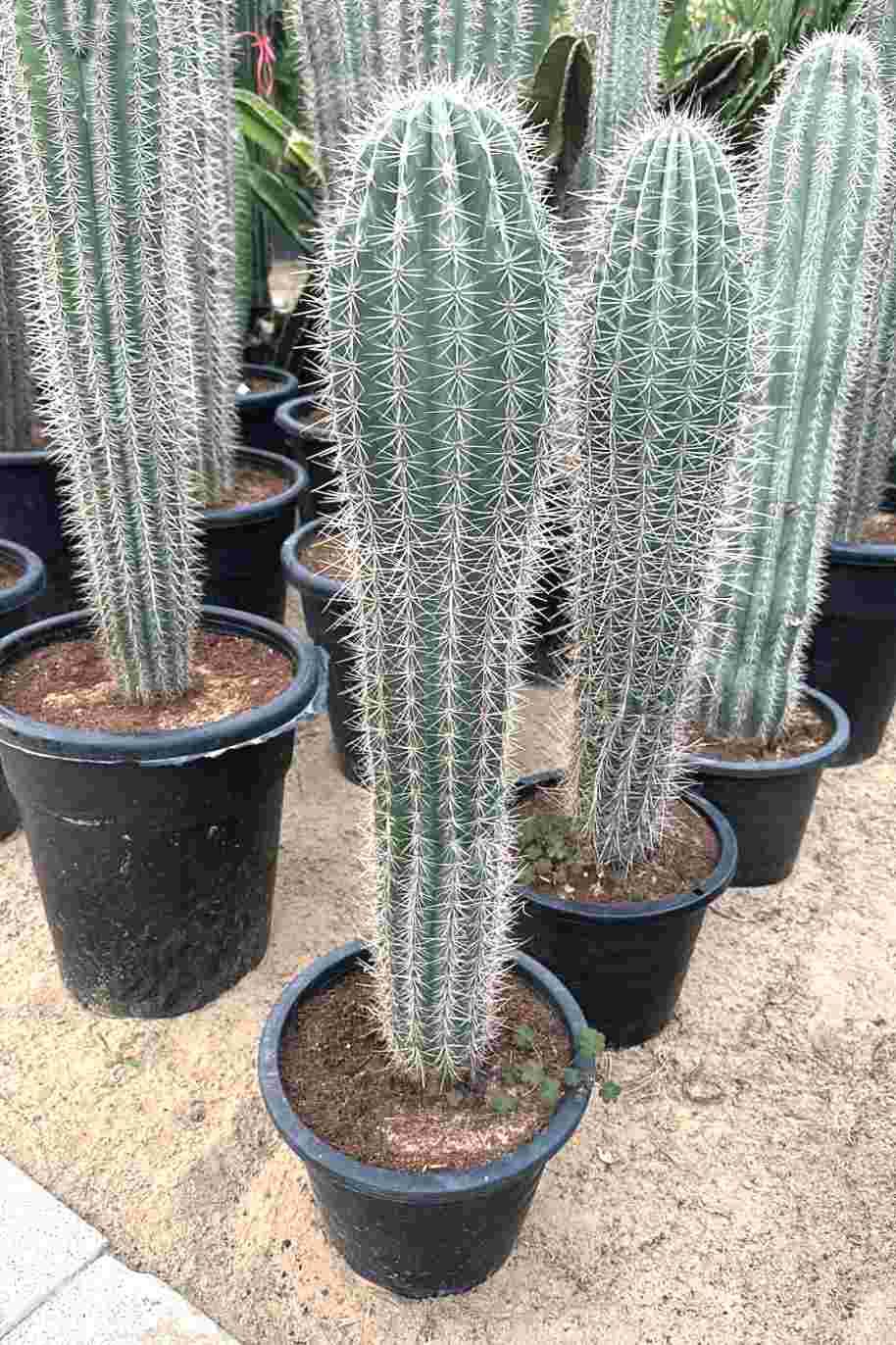
Old Man Cactus (Pilosocereus Leucocephalus)

Plant Bio

The fuzzy and friendly growth habit of the old man cactus (Pilosocereus leucocephalus) makes it a memorable plant to encounter. Silky strands of fibers entangle themselves in sharp spines that cover the bluish barrel in vertical rows. Showy pink flowers are only secondary, ornamentally, to this bearded beauty of a cactus!

Add a touch of unique charm to your space with the iconic Old Man Cactus, available for purchase online at Plantshop.me. This fascinating succulent boasts a thick, fleshy stem covered in long, white hair, giving it a distinctive “old man” appearance. With its low-maintenance requirements and ability to thrive in indoor conditions, the Old Man Cactus is perfect for busy individuals or those new to plant parenthood.

Our expert team hand-selects each Old Man Cactus to ensure you receive a healthy, thriving plant. We also offer free delivery in Dubai, Abu Dhabi, Sharjah, and the UAE, making it easy to get your new plant delivered right to your doorstep.

To keep your Old Man Cactus thriving, make sure to provide it with bright, indirect sunlight and water sparingly. We recommend pairing this stunning succulent with other low-maintenance plants, such as aloe vera or echeveria, for a beautiful and easy-to-care-for arrangement. Order your Old Man Cactus today and experience the beauty of nature in your own space!

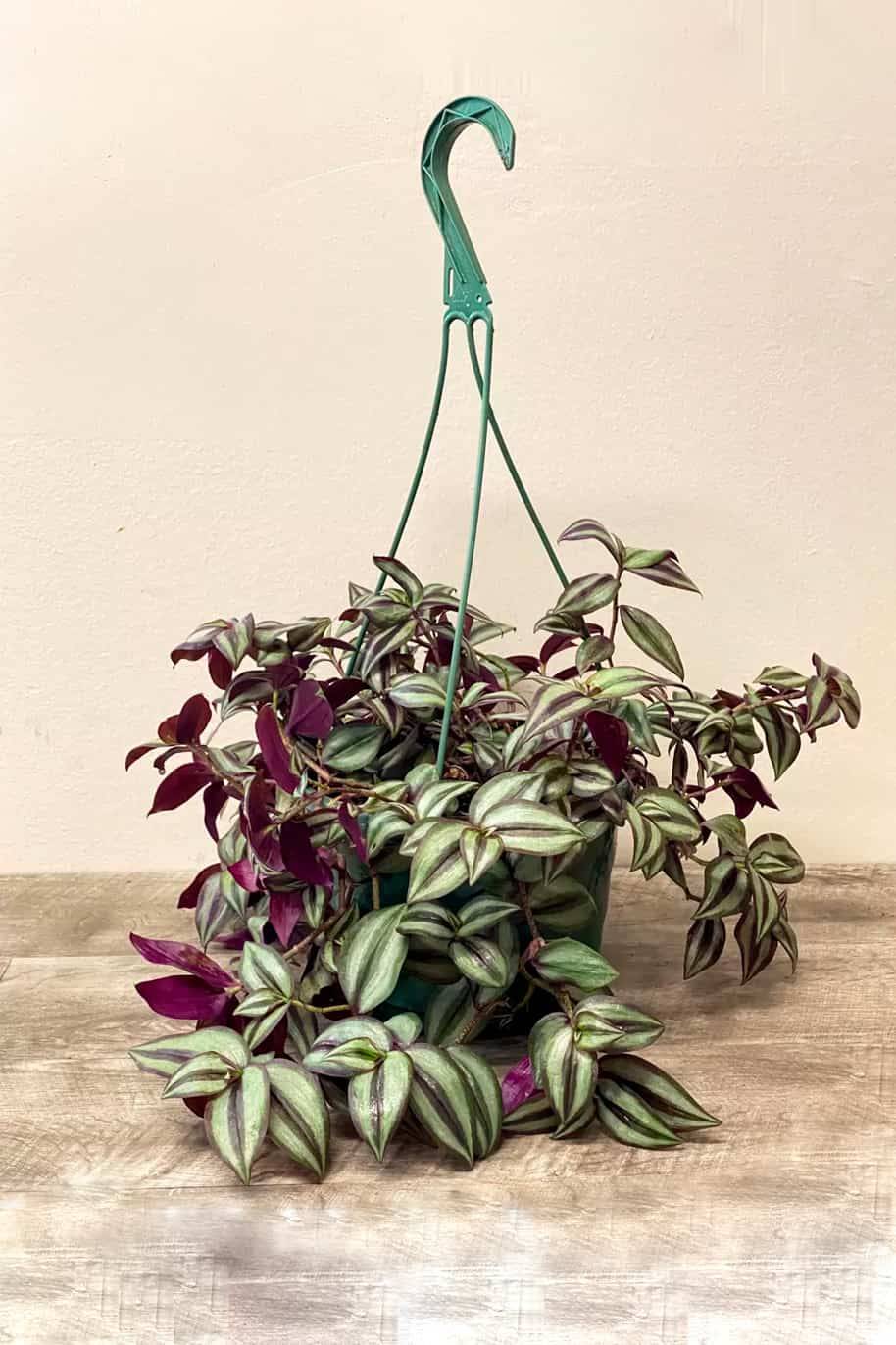
Tradescantia Zebrina Hanging

Plant Bio

Elevate the aesthetics of your home or office with the stunning Tradescantia Zebrina Hanging plant from Plantshop.me. This unique plant features vibrant purple undersides on its leaves paired with silver stripes, adding a touch of elegance and color to any space. The trailing nature of the Zebrina makes it ideal for hanging planters or shelves, creating a beautiful cascading effect.

The Zebrina thrives in bright, indirect light and regular watering when the topsoil dries out. This low-maintenance plant is a perfect choice for busy individuals looking to enhance their indoor greenery. Pair the Tradescantia Zebrina with other trailing plants or place it in a hanging pot to create a lush green display. Add a pop of color and liveliness to your surroundings with the graceful Tradescantia Zebrina Hanging plant from Plantshop.me.

The Tradescantia (spiderworts) is also known as the ‘father plant’. Many different types of Tradescantia exist displaying various colours and patterns on the leaves. The Tradescantia is a relative of the succulent, and shares the same trait of storing water in its leaves. Needless to say its requirement for water is minimal. The plant’s growth can be described as raggedy, imparting a playful look. Hanging plants are once again in vogue for every interior, so the Tradescantia is dusting off its chic credentials.


Care tips:
-Suitable for anywhere in the house.
-Suitable as both hanging and climbing plant.
-Long lasting.
-Good light, but no bright sunlight.
-Ideal temperature 12-21 ºC.
-Keep damp, compost must not dry out.
-Apply fertiliser twice a month.

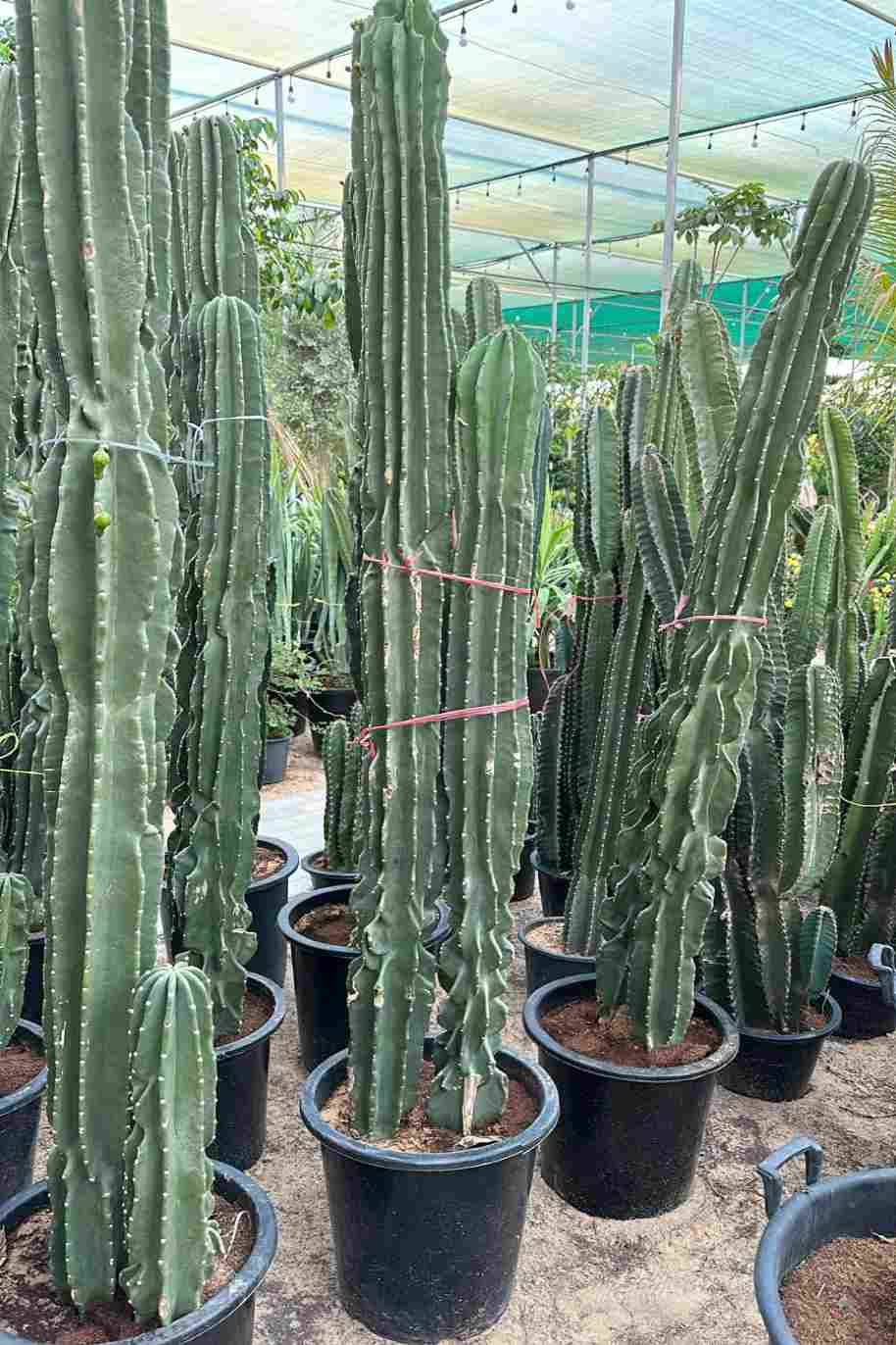
Spiny Hedge Cactus (Cereus Hildmannianus)

Plant Bio

Hedge cactus (Cereus hildmannianus) is a species of cactus that is native to Brazil, Argentina, and other South American countries. Hedge cactus has a tree-like appearance and will grow a woody trunk and branches up to 15 m tall. It produces large white flowers that are nearly 30 cm in diameter.

Add a touch of prickly elegance to your space with the stunning Spiny Hedge Cactus, available for purchase online at Plantshop.me. This unique succulent boasts a spherical shape covered in long, white spines, making it a striking addition to any room. With its low-maintenance requirements and ability to thrive in indoor conditions, the Spiny Hedge Cactus is perfect for busy individuals or those new to plant parenthood.

Our expert team hand-selects each Spiny Hedge Cactus to ensure you receive a healthy, thriving plant. We also offer free delivery in Dubai, Abu Dhabi, Sharjah, and the UAE, making it easy to get your new plant delivered right to your doorstep.

To keep your Spiny Hedge Cactus thriving, make sure to provide it with bright, indirect sunlight and water sparingly. We recommend pairing this stunning succulent with other low-maintenance plants, such as aloe vera or echeveria, for a beautiful and easy-to-care-for arrangement. Order your Spiny Hedge Cactus today and experience the beauty of nature in your own space!

Back to Top

Search For Products

Product has been added to your cart
★ Reviews