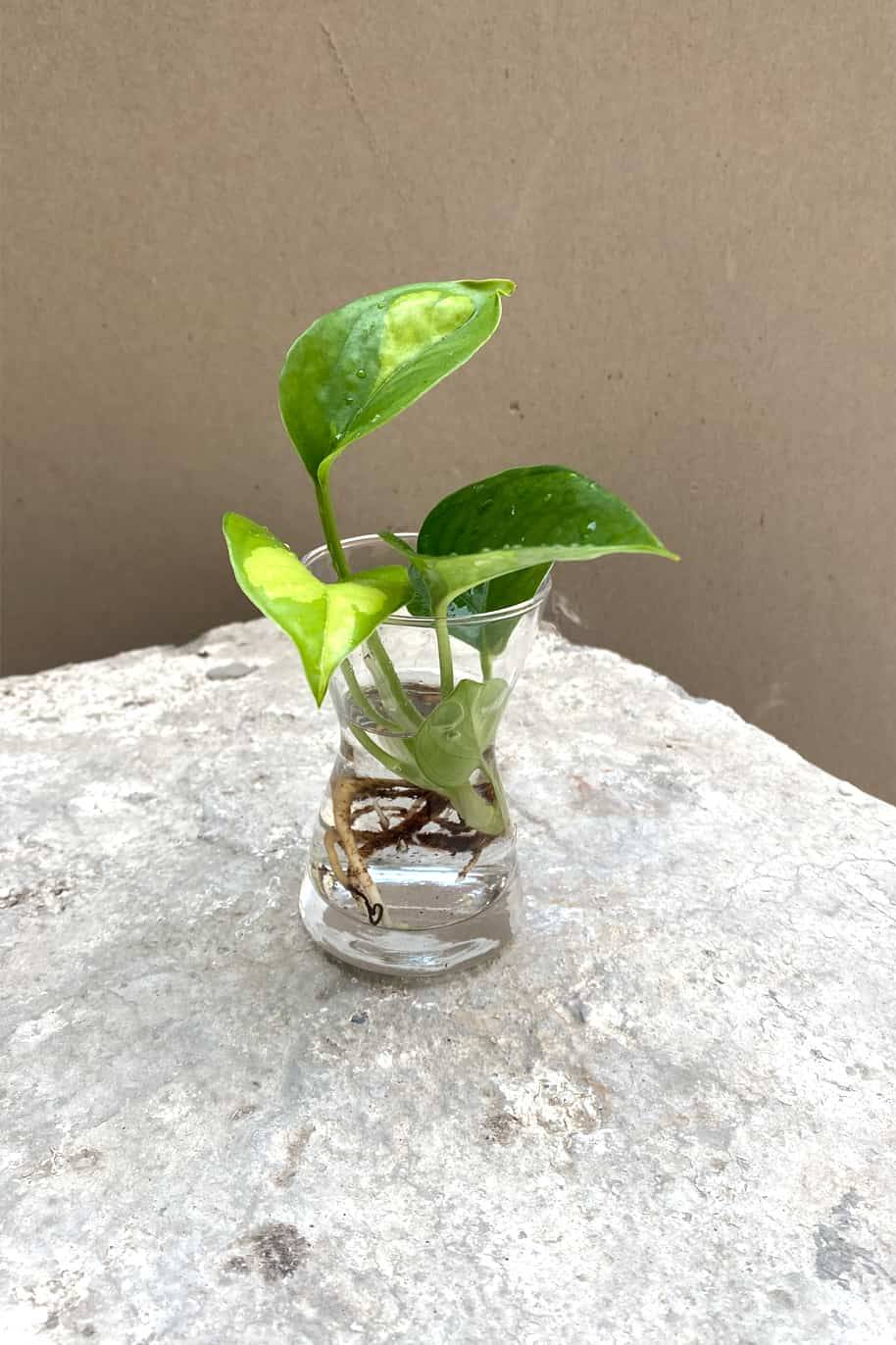
Global Green Pothos Cuttings

Plant Bio

The Global Green is a fairly new Pothos variety that has beautifully textured, rich green on green marbling leaves mottled in dark and light green. The Global Pothos is a hardy and easy plant to care for and you will find that it is an extremely rare and valuable variety of pothos plant!

The Pothos, or the Epipremnum aureum, is native to Southeast Asia. It has the reputation of being one of the easiest houseplants to take care of. Its common name, Pothos, comes from the genus it was once classified under: Pothos aureus.In the wild, it is known to overgrow forest floors and tree trunks due to its aerial root system which can be used to help it grow vertically in the home up a coir pole. In good indoor conditions, you can expect the Pothos to trail to 10 feet long and grow leaves that are 3 feet in length if trained to climb! The Pothos is particularly fitting for indoor settings because it is able to filter gaseous toxins like formaldehyde from the air.

Philodendron Brazil Cuttings (PS Decor)

Plant Bio

The Philodendron Brasil offers a colorful twist on a classic houseplant and is surprisingly easy to care for. With heart-shaped leaves in different shades of green and yellow, this trailing plant earned its name thanks to the close resemblance to the Brazilian flag. Read on to learn everything you need to know about taking care of your Philodendron Brasil from the amount of water it needs, its light requirements, and how to overcome the common issues you might encounter along the way.

While it can survive in low light conditions your Brasil will show its variegation best in medium to bright indirect light. Be careful not to give them too much sun though, placing them in direct sunlight can cause leaf burn.

Water about once a week and allow the topsoil to dry out between waterings. Avoid overwatering, and note that your watering schedule may be less frequent during winter months.

You can either keep you Brasil in a hanging pot and let its leaves trail down or you can train it to grow upwards by using supports. This plant is considered a fast grower. Fertilize your Philodendron Brasil 1-2 times per month in the spring and summer with indoor plant food, or foliar feed year round.

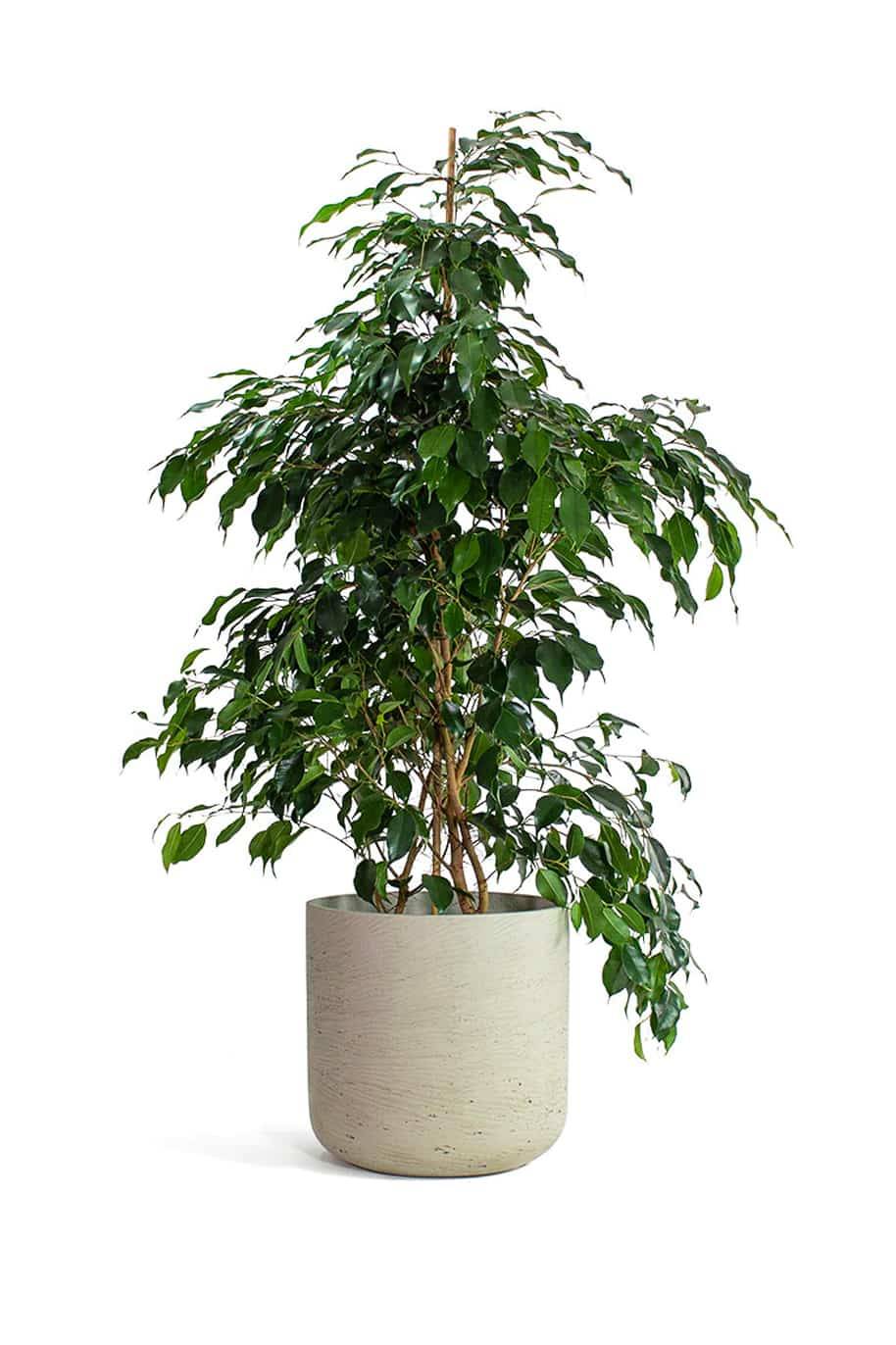
Ficus Benjamina Holland (Ficus Benjamina Midnight Lady)

Plant Bio

Enhance your indoor space with the Ficus Benjamina Holland, a stunning, easy-care plant that thrives in the UAE’s climate. This elegant plant, also known as the Weeping Fig, features lush, glossy green leaves and a graceful, arching form, making it an excellent choice for homes, offices, and gardens.

The Ficus Benjamina Holland is a natural air purifier, improving indoor air quality by removing toxins and pollutants. It is versatile and can be grown both indoors and outdoors, making it ideal for bright living spaces, patios, or as a hedge plant. It thrives in indirect sunlight but can also adapt to direct light, requiring moderate watering with well-draining soil to prevent root rot.

This plant pairs well with other indoor greenery like Areca Palms and Snake Plants, creating a lush, tropical atmosphere. Regular pruning helps maintain its shape and encourages healthy growth. With minimal maintenance, the Ficus Benjamina Holland will add natural beauty and freshness to any space.

Order your Ficus Benjamina Holland from Plantshop.me today and enjoy fast delivery across Dubai, Abu Dhabi, and the UAE. A perfect blend of aesthetics and functionality for plant lovers!

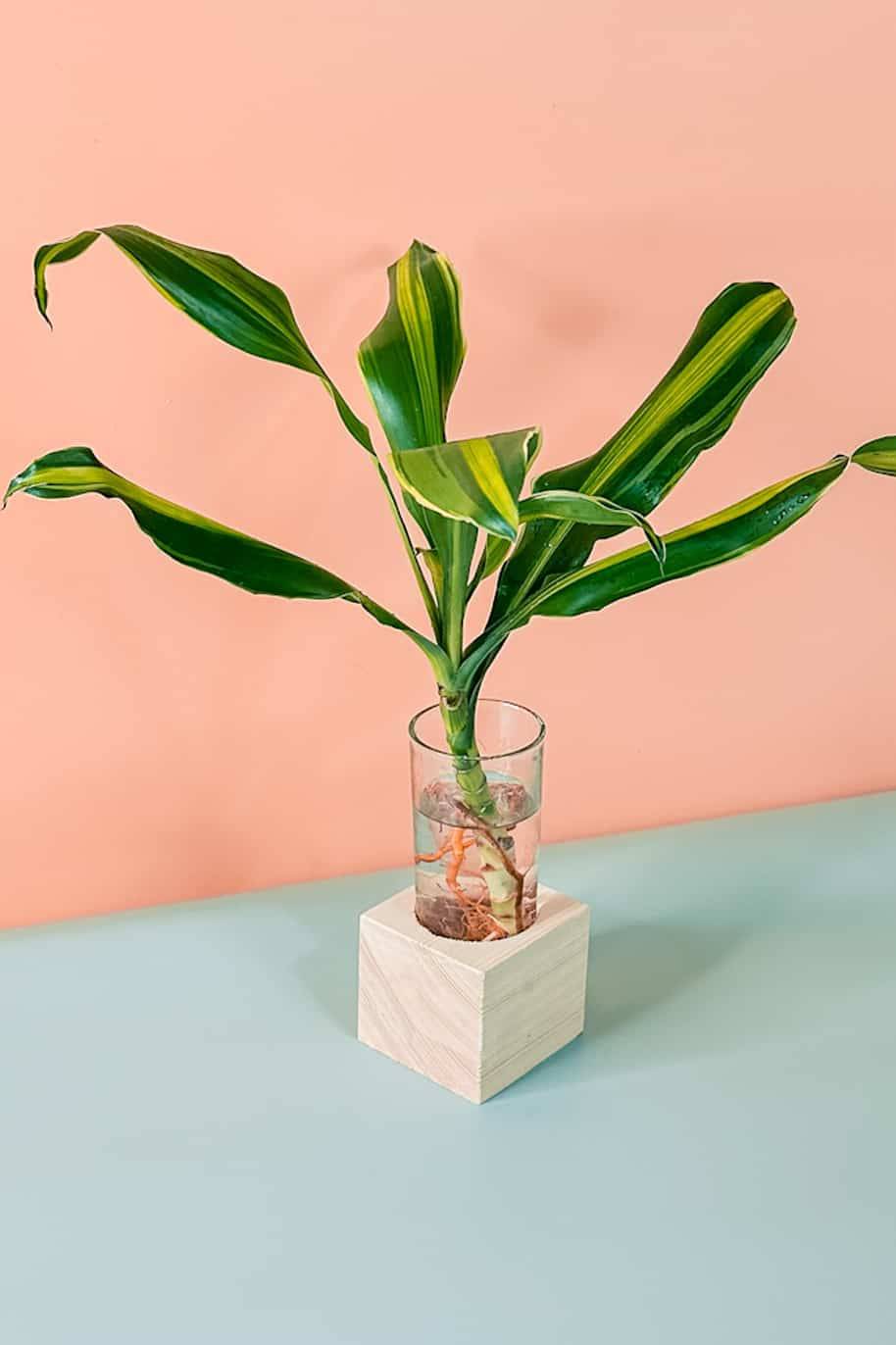
Dracaena Stripe Cubo (PS Decor)

Plant Bio

This Cornstalk dracaena (Dracaena fragrans) ‘Golden Coast’ has very striking, dark green leaves with white stripes giving it a fantastic contrasting look! Lots of light but well away from direct sunlight – at least 3 meters from the window is ideal. Greenery indoors – always a perfect addition to any home!

Dracaena fragrans are often considered to be low light tolerant plants but can’t thrive in extremely low light situations. In general, it’s good to have your plant within a few feet of a window. Monitor your plant for signs of leaf drop or scorching and adjust its location as needed. The easiest way to tell if your Dracaena needs water is to feel the soil. If the soil is still moist ½ of the way down, then you shouldn’t water the plant. Only water when the soil is dry almost all the way through the pot. Fertilize once a month with an organic houseplant fertilizer, following the package instructions for dilution and administration. Golden coast plants like warm room temperatures 60-75°F (16-24°C). Cold winter drafts and heaters can damage the leaves.

Get the sun in your house with this green/yellow Dracaena Yellow Coast houseplant. You will become friends easily as the Dracaena Yellow Coast is very easy to take care of. When you don’t pay attention to him, he will not let you down.

Setup
Comes in wooden base and cylindrical glass vase

Philodendron Pedatum Cubo (PS Decor)

Plant Bio

In different stages of their development, the leaves of the philodendron Pedatum can take up a variety of shapes, but generally follow the oak-leaf structure, hence the other name for the plant — Oak Leaf Philodendron.

It’s considered a beginner-friendly plant, so whether you’re looking to add another philodendron variety to your collection, or just starting with indoor gardening, this plant will be easy to grow.

The pedatum can grow in a range of light conditions but seems to be favoring bright indirect light or dappled light the most.

It can grow in low light conditions too, but it’s growth will be slower. It doesn’t tolerate direct sunlight because of its delicate leaves that can easily scorch under strong sunlight.

Should the leaves of your pedatum start to turn yellow or brown, assess the level and intensity of light it receives and move it out of direct light.


Setup
Comes in wooden base and cylindrical glass vase

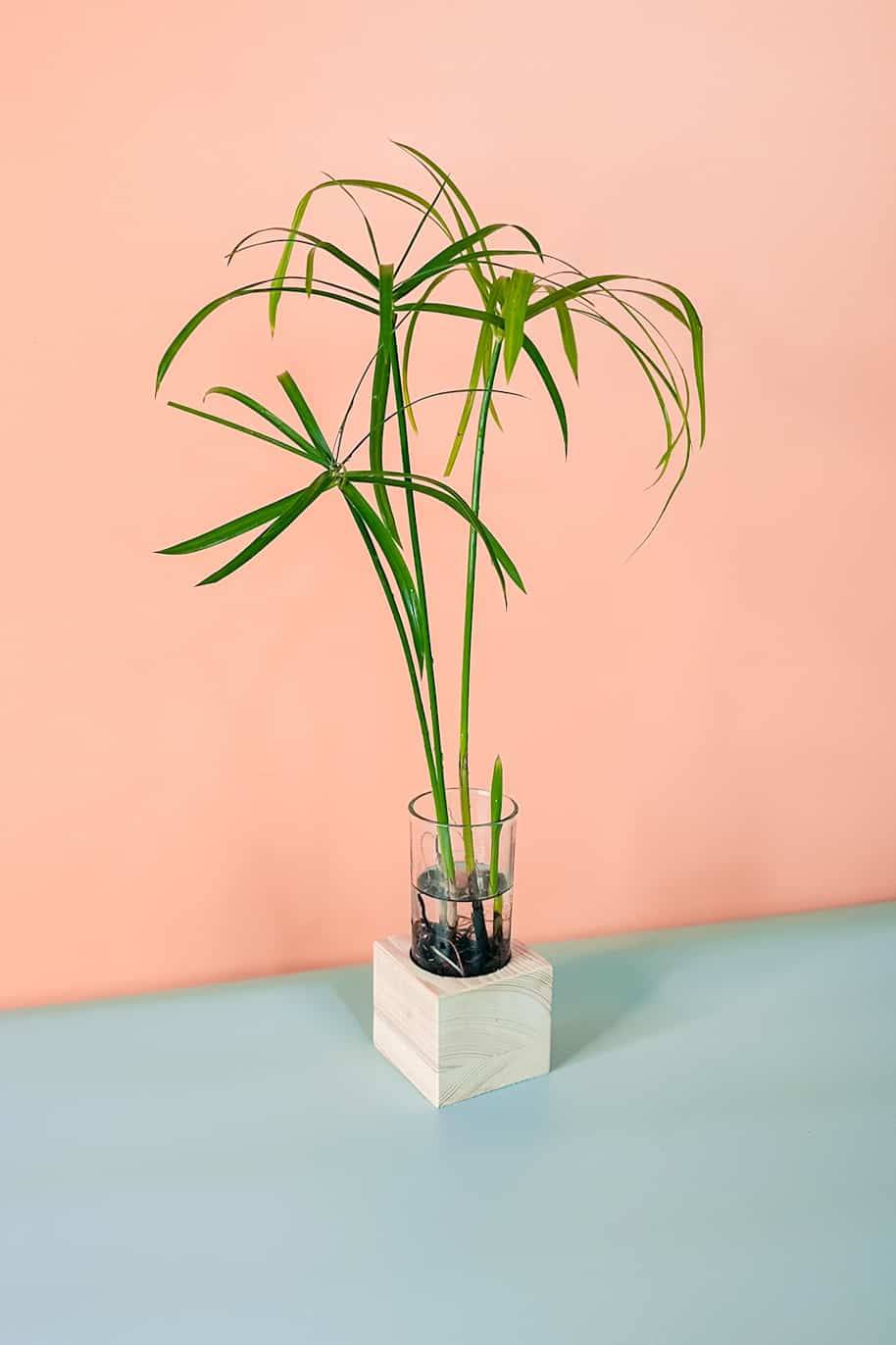
Paper Reed Cubo (PS Decor)

Plant Bio

Paper Reeds are rhizomatous and aquatic plants with triangular section stems that reach 5 meters in height. The leaves appear in tufts at the end of the stems and are long, thin and jade green. The flowers appear in brown spikes.
These easy-to-grow plants are used in ponds or small lakes; its extension should be controlled from the rhizomes so that it does not become invasive. They are also used in pots as indoor plants.

Setup
Comes in wooden base and cylindrical glass vase

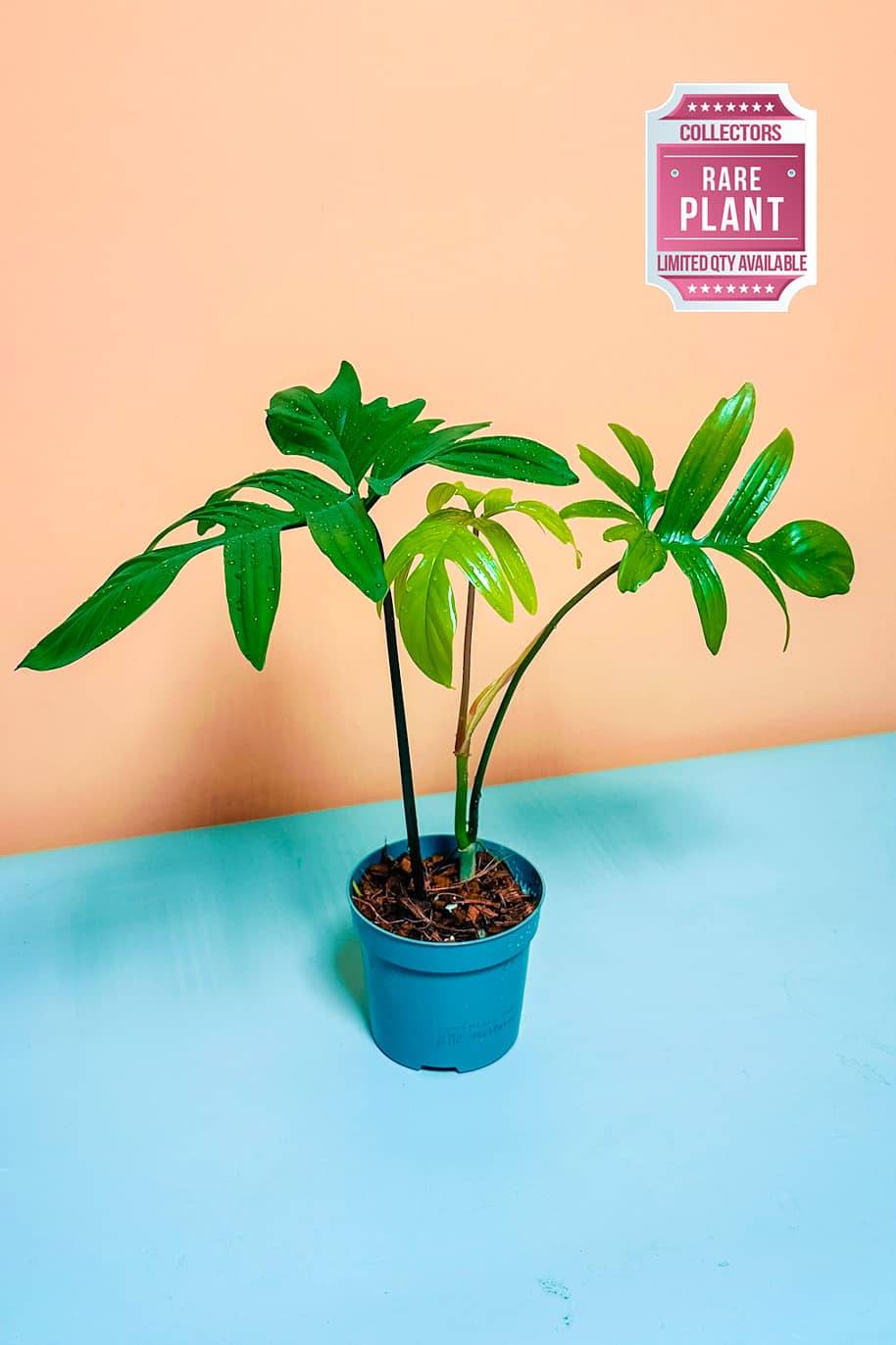
Philodendron Pedatum (Philodendron)

Plant Bio

In different stages of their development, the leaves of the philodendron Pedatum can take up a variety of shapes, but generally follow the oak-leaf structure, hence the other name for the plant — Oak Leaf Philodendron.

It’s considered a beginner-friendly plant, so whether you’re looking to add another philodendron variety to your collection, or just starting with indoor gardening, this plant will be easy to grow.

The pedatum can grow in a range of light conditions but seems to be favoring bright indirect light or dappled light the most. It can grow in low light conditions too, but it’s growth will be slower. It doesn’t tolerate direct sunlight because of its delicate leaves that can easily scorch under strong sunlight. Should the leaves of your pedatum start to turn yellow or brown, assess the level and intensity of light it receives and move it out of direct light.

Watering seems to be one of the most problematic aspects in caring for the philodendron pedatum. It simply doesn’t tolerate overwatering, so you always need to check the soil to see how moist or dry it is before adding more water. To avoid overwatering but also to make sure my plant doesn’t get dehydrated, I use the soak and dry method. That is, I water my philodendron deeply, then allow the top level of the soil to dry, and only then do I water it again. Some prefer adding only little water but more frequently, which can also work, however, with that method you’re also likely to overwater if the soil doesn’t drain well or if it doesn’t dry until the next watering. Therefore, regardless of the watering method you decide to use, check the soil for moisture.

Philodendron Cobra Variegated (Philodendron)

Plant Bio

It’s a popular indoor plant precisely because of its relatively small leaves that feature creamy-yellow variegations. It’s definitely an architectural plant that will often feature as a design element in a variety of living spaces or offices. As for its care requirements, the Monstera standleyana doesn’t present a challenge to those familiar with tropical plant care. Those new to these plants will find my plant care recommendations on this plant useful.

The Philodendron Cobra is fond of partial shade. Growing in rainforests it only ever receives dappled, diffused light, so direct light exposure should be avoidable to prevent any damage or discoloration to the leaves. Placing it in a dark room won’t do it either, the plant needs a bit of indirect light for healthy development and growth. Aim for moderate light exposure, where the plant can receive indirect light or light that’s not directly shining down on the plant.

Despite being a tropical light, the watering needs of this plant are light. That means it’s prone to root rotting and other fungal issues if overwatered. The way to water this plant is to allow the soil to nearly completely dry out between watering sessions. When watering, water deeply until you see water coming out of drain holes. Then remove any excess water that’s pooling in the saucer. The plant does well even with watering from below, allowing it to soak up water as needed. Therefore, make sure the soil is almost dry when watering either from the top or the bottom.

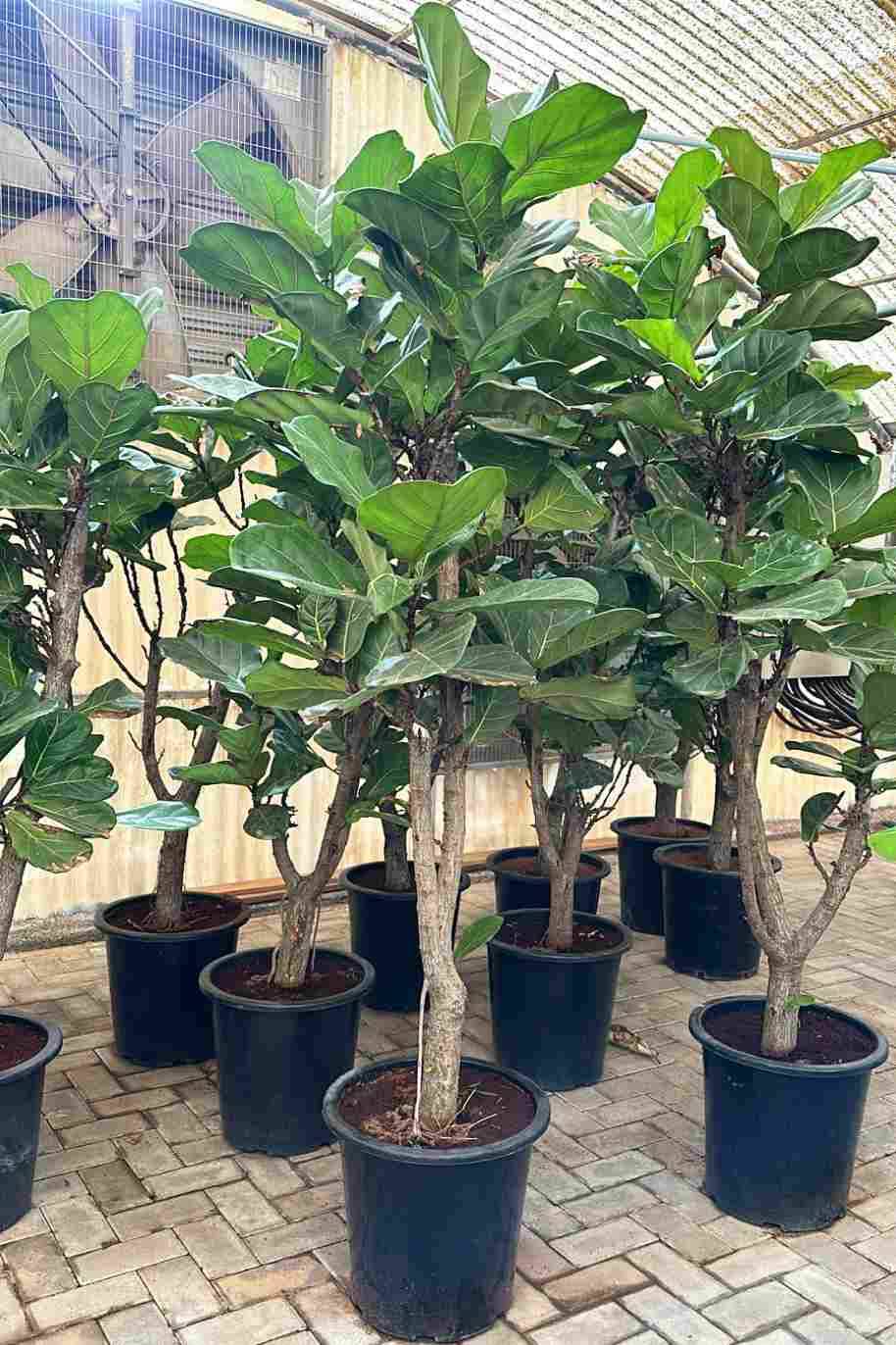
Fiddle Leaf Fig Branched (Ficus Lyrata Branch)

Plant Bio

Ficus lyrata, commonly known as the Fiddle Leaf Fig, is a popular and visually striking indoor plant that belongs to the Moraceae family. The “Branched” variety typically refers to a Fiddle Leaf Fig with a branched or multi-trunk growth habit. Here’s a description and care guide for Ficus lyrata Branched:

Leaves: The Fiddle Leaf Fig is known for its large, violin-shaped leaves that are glossy and dark green. In the branched variety, the plant may have multiple stems or trunks emerging from the base, each bearing large leaves. The leaves are often deeply lobed and have a distinct veining pattern.

Trunk/Branches: Ficus lyrata Branched has a more bushy or tree-like appearance due to the presence of multiple trunks. The trunks can develop a woody texture over time.

Size: The size of Ficus lyrata Branched can vary, but it tends to be more compact compared to the single-trunked varieties. The overall height and spread depend on factors like age, care, and environmental conditions.

Care Guide:

Light: Fiddle Leaf Figs prefer bright, indirect light. Place your Ficus lyrata Branched near a window where it can receive filtered sunlight. Avoid direct sunlight, as it can lead to leaf burn.

Temperature: Keep the plant in a warm environment. Ficus lyrata prefers temperatures between 65°F to 75°F (18°C to 24°C) and should be protected from drafts and sudden temperature fluctuations.

Watering: Allow the top inch of the soil to dry out before watering. Fiddle Leaf Figs are sensitive to overwatering, which can lead to root rot. Water thoroughly and ensure proper drainage.

Humidity: Ficus lyrata appreciates higher humidity levels. If the air in your home is dry, consider increasing humidity by misting the leaves or placing a tray of water near the plant.

Soil: Plant Ficus lyrata in well-draining, aerated soil. A mix formulated for tropical plants or a combination of potting soil, perlite, and orchid bark works well.

Fertilization: During the growing season (spring and summer), feed your Ficus lyrata with a balanced liquid fertilizer every 4-6 weeks. Reduce or eliminate fertilizer in the fall and winter when the plant’s growth slows.

Pruning: Prune your Fiddle Leaf Fig to shape it and remove any damaged or yellowing leaves. You can also prune for size control. Use clean, sharp pruning shears.

Pest Management: Keep an eye out for common pests such as spider mites, scale, and aphids. Wipe the leaves regularly to prevent dust buildup and discourage pests.

Repotting: Repot your Ficus lyrata when it outgrows its current container or when the soil becomes depleted. This is typically done every 2-3 years.

Support: If your Fiddle Leaf Fig Branched has multiple trunks that are top-heavy, you may need to provide support with stakes to prevent leaning.

Ficus lyrata Branched is a beautiful and architectural indoor plant that can add a touch of elegance to your home. With proper care, including the right light conditions, watering routine, and attention to humidity, you can enjoy a healthy and thriving Fiddle Leaf Fig with multiple trunks.

Begonia Masoniana (Begonia)

Plant Bio

Begonia Masoniana is a classic specimen for collectors of exotic foliage plants. It has medium sized, asymmetrical leaves with a puckered, leather-like texture and a bristly feel to them.

The distinction is the chocolate brown, cross-shaped markings in the middle of apple green leaves. The markings resemble the Iron Cross symbol used during medieval crusades, from where the plant gets its popular name, Iron Cross Begonia. Simply awe-inspiring.

You can grow Begonia masoniana under adequate light but without strong direct sun. For outdoor growing, a shade structure or under a tree is good. Indoors, by a windowsill without extended sun exposure would be great.

The rhizomes are a great help when it comes to Begonia masoniana care. They store water and nutrients, making it possible for the plant to survive irregular watering and temperature variation.

That said, if you want a healthy plant you must give it an evenly moist environment. No plant enjoys neglect. As long as the potting mix is course and the planter drains excellently well, you can water regularly during summer but never overwater.

Back to Top

Search For Products

Product has been added to your cart
★ Reviews