Peace Lily Mini (Spathiphyllum)

Plant Bio

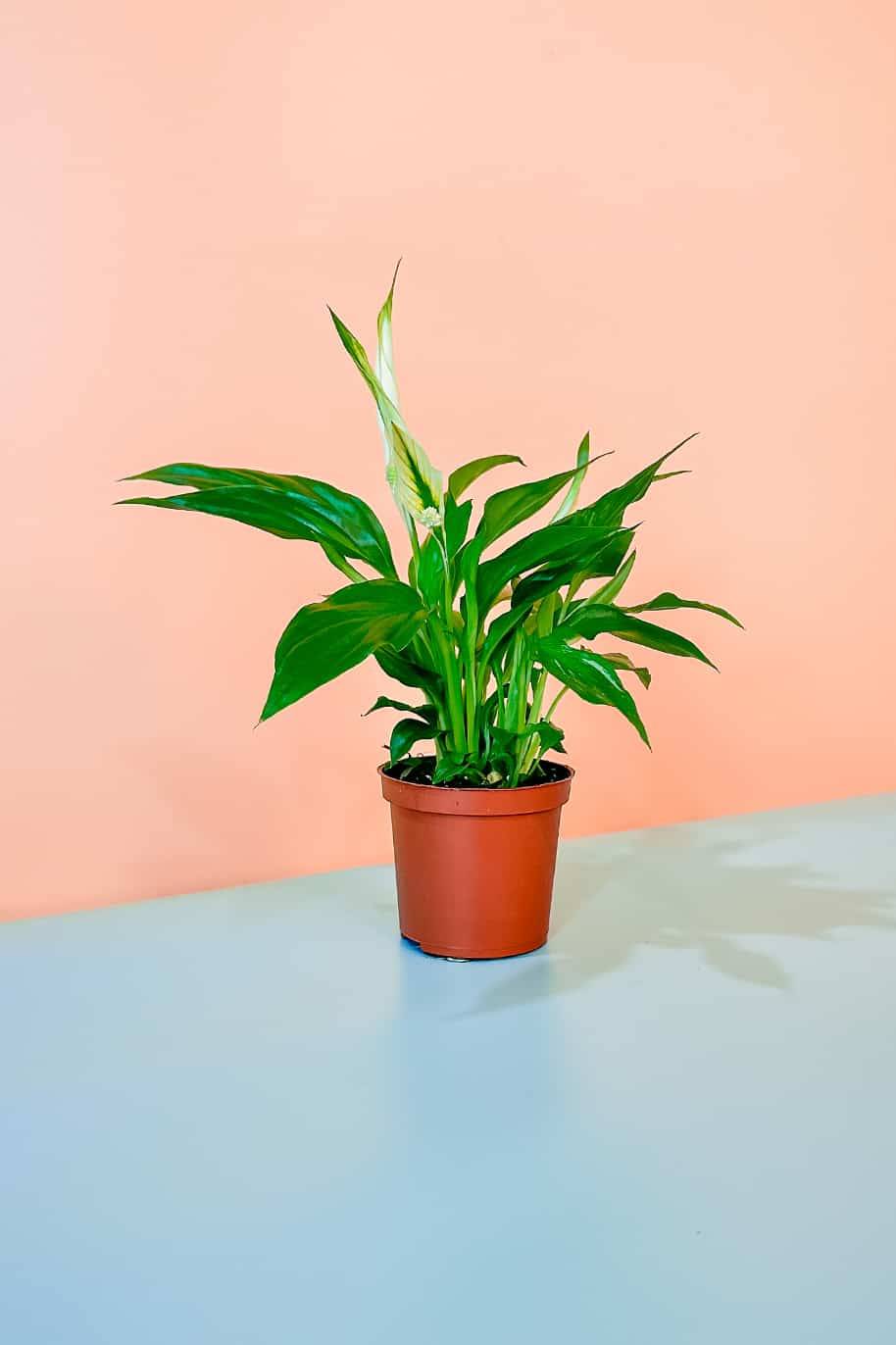
Peace lilies (Spathiphyllum), also known as closet plants, are a popular choice for offices and homes. When it comes to indoor plants, peace lily plants are some of the easiest to care for. But, while peace lily plant care is easy, proper growing conditions are still important.

Peace lilies are one of the best air filtering indoor plant. The NASA Clean Air Study found that Spathiphyllum cleans indoor air of certain environmental contaminants, including benzene, and formaldehyde.

Peace lily lives best in shade and needs little sunlight to thrive, and is watered approximately once a week. The soil is best left moist but only needs watering if the soil is dry. Peace lilies do not need frequent fertilizing. Fertilizing with a balanced fertilizer one to two times per year will be enough to keep the plant happy.
Phalaenopsis Orchid Holland 2 Stem

Plant Bio

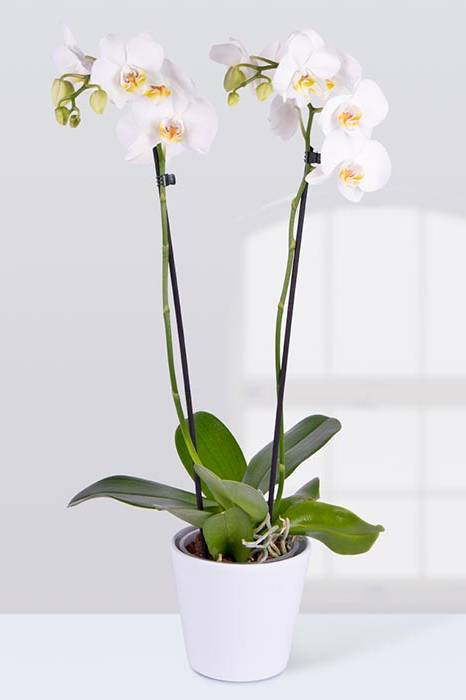
Phalaenopsis, commonly known as moth orchids, is a genus of about seventy species of orchids in the family orchid. Orchids in this genus are monopodial epiphytes or lithophytes with long, coarse roots, short, leafy stems and long-lasting, flat flowers arranged in a flowering stem that often branches near the end.

Place your orchid in a bright room, but not in direct sunlight. Water the orchid infrequently, being guided by the plant, rather than watering on a schedule. Many more orchids die from over-watering than under-watering. Only water the roots. Keep the flowers and leaves dry. Use a well-draining pot and growing media and never let your orchid sit in water for more than a few minutes. Use a water-soluble fertilizer. Fertilize every 1-2 weeks, but not during the flowering phase.

Introducing the Phalaenopsis Orchid Holland 2 Stem, a must-have for any plant enthusiast looking to enhance the beauty of their indoor space. These elegant orchids feature stunning, long-lasting blooms that elevate the aesthetic of any décor. Each stem is carefully selected to ensure premium quality, showcasing the signature rich colors and intricate patterns that make orchids so desirable.

Ideal for homes in Dubai, Abu Dhabi, and Sharjah, these orchids thrive in indirect sunlight and prefer humidity. To care for your Phalaenopsis, water them approximately once a week, letting the soil dry out slightly between waterings. For added beauty, consider pairing them with companion plants like Peace Lilies or Pothos, which have similar care requirements and provide a lush backdrop.

Whether for a personal collection or as a thoughtful gift, the Phalaenopsis Orchid Holland 2 Stem is perfect for any occasion. Add a touch of elegance and natural peace to your environment by purchasing today at Plantshop.me!

Money Plant – Holland (Scindapsus)

Plant Bio

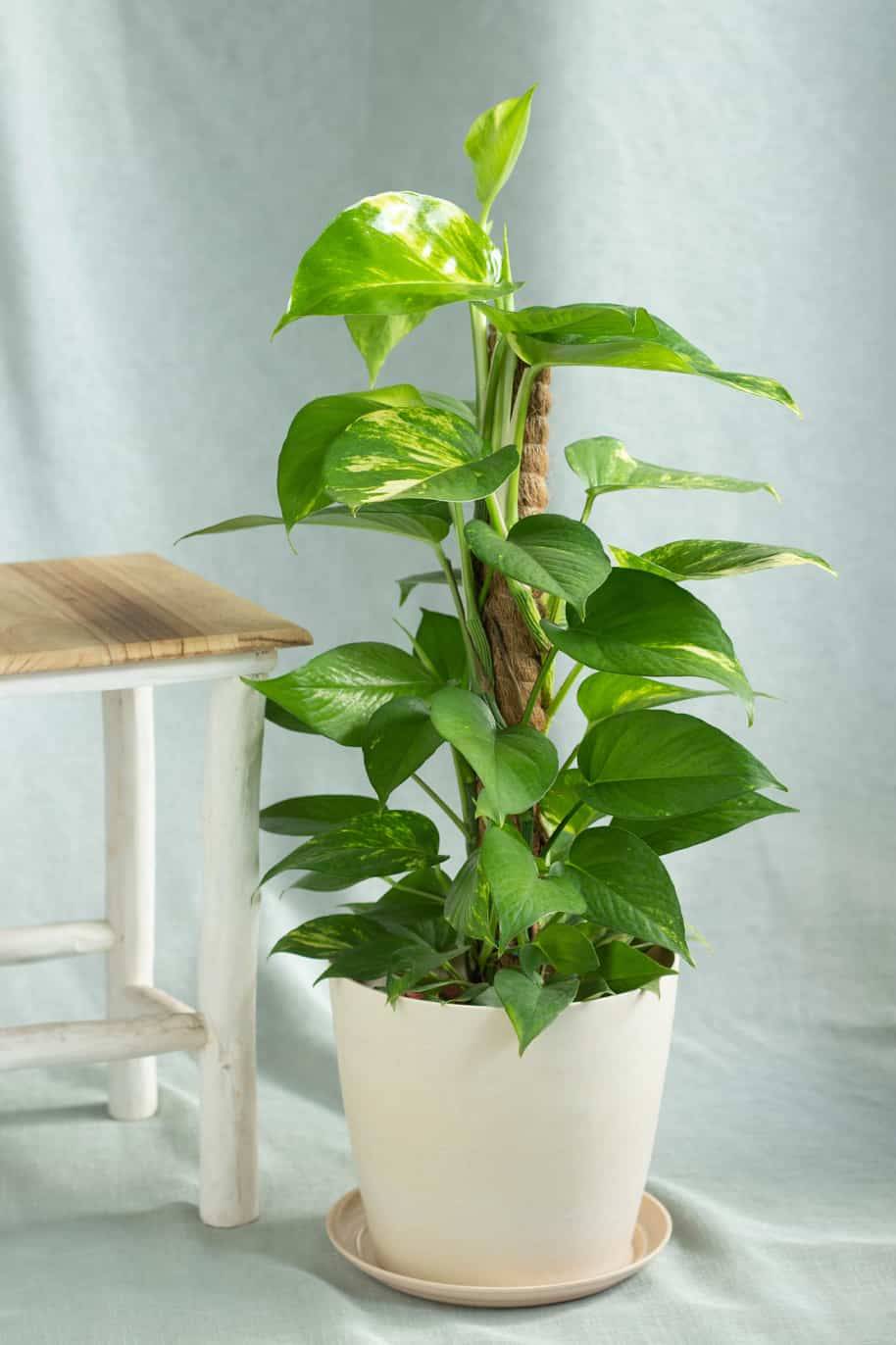
Epipremnum aureum, commonly known as Golden Pothos or Devil’s Ivy, is a popular and easy-to-care-for houseplant that belongs to the Araceae family. It is native to Southeast Asia and is valued for its attractive, trailing vines and heart-shaped leaves. Here’s a description and care guide for Epipremnum aureum:

Leaves: The leaves of Epipremnum aureum are heart-shaped and come in various shades of green, often with variegation that includes yellow or white markings. The leaves are glossy, and as the plant matures, the vines can grow quite long, making it an excellent trailing or hanging plant.

Growth Habit: Epipremnum aureum has a vining or trailing growth habit. It produces aerial roots along the stems that can cling to surfaces for support, making it a great choice for hanging baskets or climbing on structures.

Size: The size of Golden Pothos can vary based on growing conditions, but it typically reaches lengths of 6 to 10 feet (1.8 to 3 meters) when allowed to trail or climb.

Care Guide:

Light: Golden Pothos is adaptable to a range of light conditions. It can thrive in low to bright, indirect light. However, it’s best to avoid direct sunlight, as this can scorch the leaves.

Temperature: Keep the plant in a warm environment with temperatures between 60°F to 85°F (15°C to 29°C). It can tolerate slightly cooler temperatures but should be protected from drafts and cold.

Watering: Allow the top inch of the soil to dry out before watering. Golden Pothos is relatively forgiving when it comes to underwatering, but it’s sensitive to overwatering, which can lead to root rot. Water less frequently in the winter.

Soil: Plant Golden Pothos in well-draining potting mix. A standard indoor plant mix with added perlite or orchid bark for aeration works well.

Fertilization: Feed the plant with a balanced liquid fertilizer every 4-6 weeks during the growing season (spring and summer). Reduce or eliminate fertilization in the fall and winter when growth slows.

Pruning: Trim the vines as needed to control the size and shape of the plant. Pruning also encourages bushier growth. You can propagate new plants from cuttings.

Propagation: Golden Pothos is easy to propagate. Take stem cuttings with at least a couple of nodes and root them in water or directly in soil.

Pest Management: While relatively resistant to pests, keep an eye out for spider mites, mealybugs, or scale. Treat any infestations promptly with insecticidal soap or neem oil.

Humidity: Golden Pothos can tolerate average indoor humidity, but it appreciates higher humidity levels. Misting the leaves or placing a humidity tray nearby can be beneficial.

Container: Plant Golden Pothos in a container with drainage holes to prevent waterlogging. Repot the plant when it outgrows its container.

Golden Pothos is a popular choice for homes and offices due to its attractive appearance and low-maintenance nature. Its versatility makes it suitable for various settings, from hanging baskets to tabletops or climbing on shelves. With basic care, it can thrive and bring a touch of greenery to your indoor spaces.

Peperomia Rosso (Peperomia)

Plant Bio

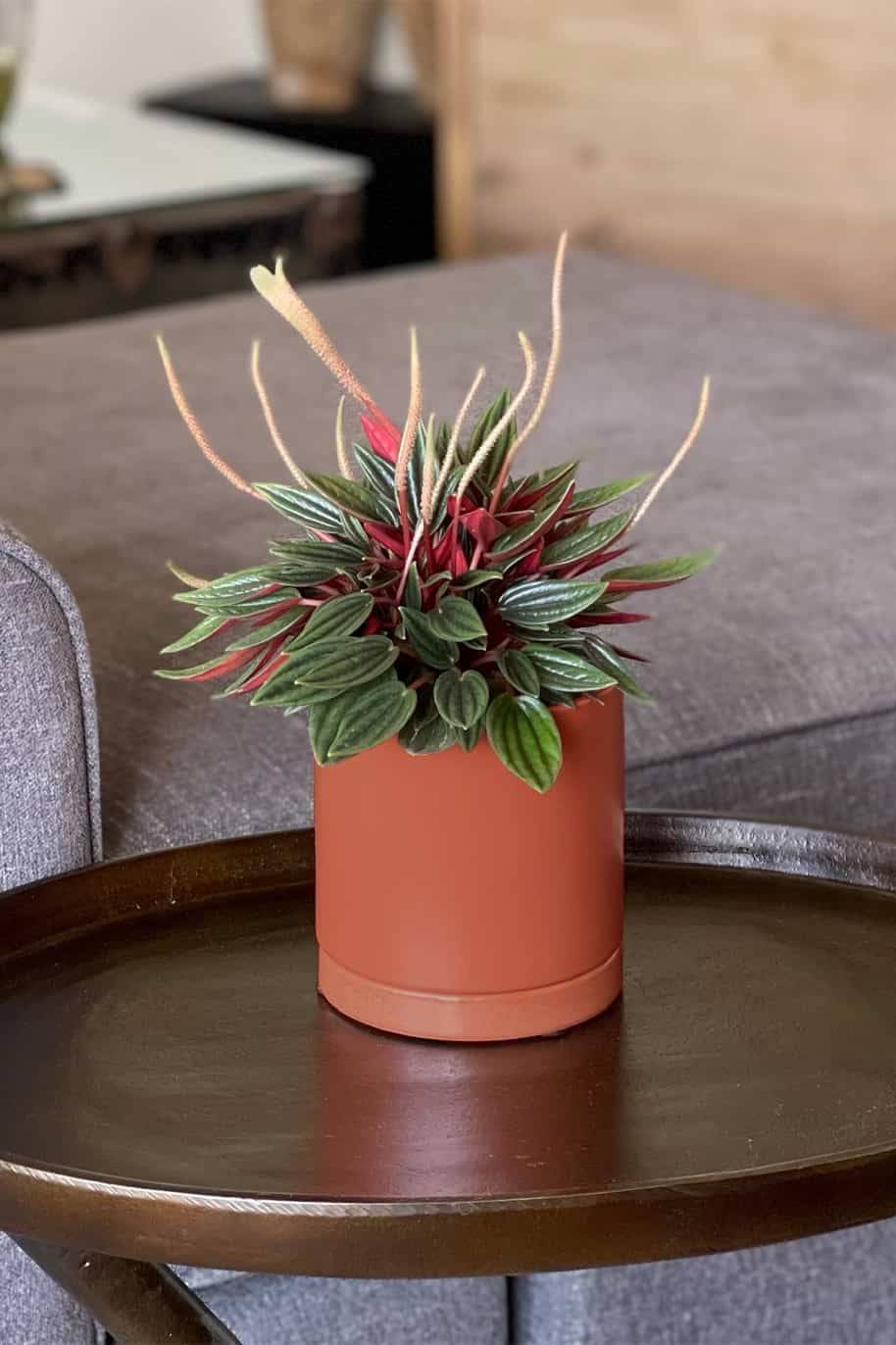
Peperomia Rosso is an elegant and compact houseplant known for its vibrant, deep green leaves with striking red undersides. This beautiful indoor plant is perfect for UAE homes and offices, adding a touch of natural beauty without requiring high maintenance. Its unique foliage and compact size make it an ideal choice for desks, shelves, or tabletops.

This easy-care plant thrives in moderate to bright indirect light, making it suitable for indoor spaces with natural lighting. It requires minimal watering, as its thick, waxy leaves store moisture, making it tolerant of occasional neglect. Peperomia Rosso is also an excellent air purifier, helping to create a fresh and inviting environment.

To ensure optimal growth, plant it in well-draining soil and allow the top inch of soil to dry out between waterings. Avoid overwatering, as this can lead to root rot. Fertilize once a month during the growing season for lush, healthy foliage. Pair Peperomia Rosso with other low-maintenance houseplants like Snake Plant or ZZ Plant for a stunning indoor garden.

Whether you’re a seasoned plant enthusiast or a beginner, Peperomia Rosso is a versatile and stylish choice that will brighten any space with its unique charm.

Alocasia Black Velvet Holland (Alocasia)

Plant Bio

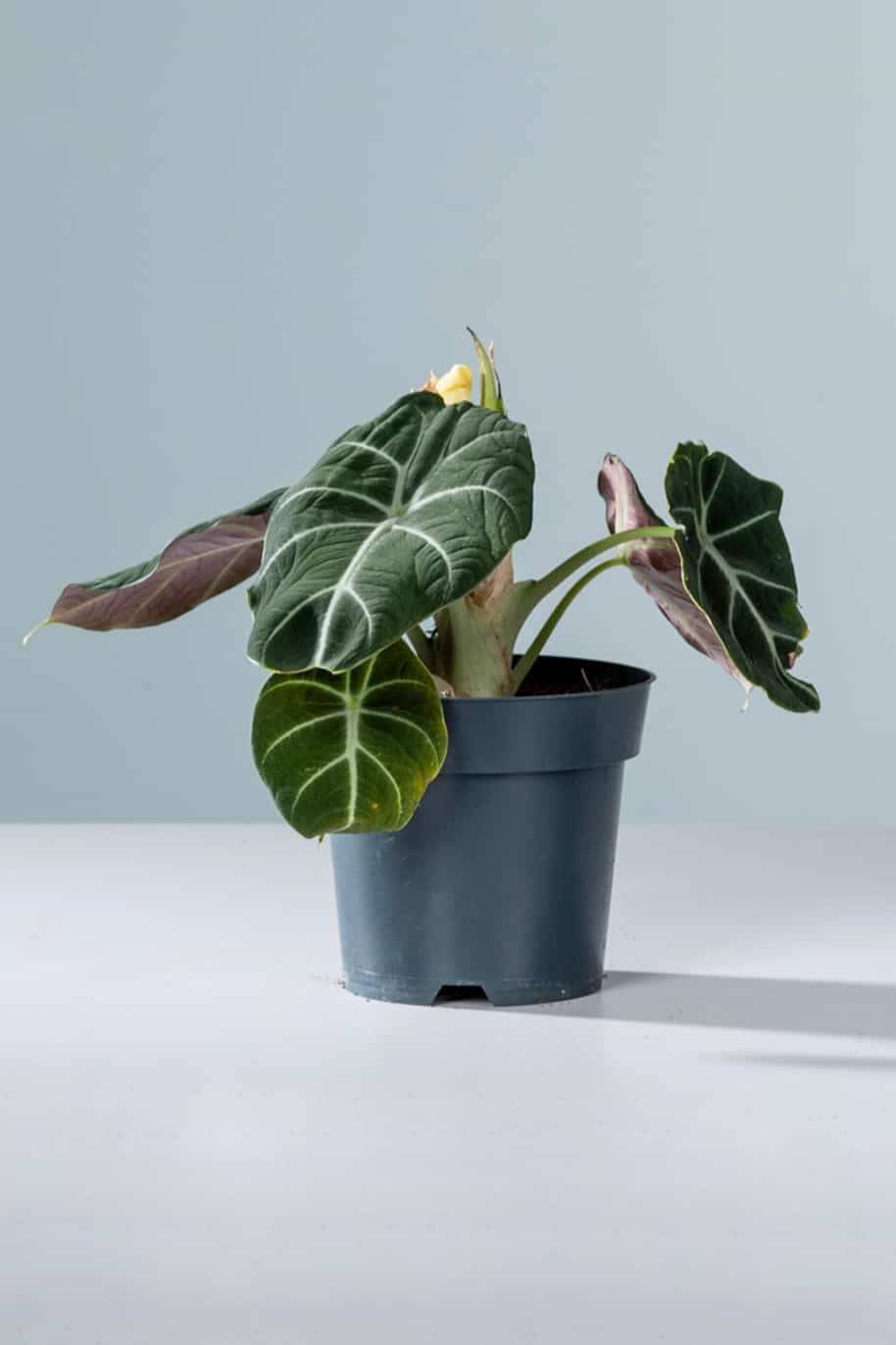
The Alocasia Black Velvet has beautiful thick leaves. The leaves turn dark green to black with striking white veins and have a velvety glow. This Alocasia species stays small, so there must be a place in your urban jungle where it fits!

The Alocasia Black Velvet is a striking small plant. The leaves of this Alocasia are thick and have a beautiful velvet glow. The leaf of the Alocasia Black Velvet turns dark green to black with striking white veins. So there must be a place in your urban jungle where this gem fits in!

This Alocasia Black Velvet is slightly different than other Alocasia varieties. The Black Velvet is in fact a dwarf plant and will therefore remain fairly small.

Alocasia are perhaps one of the most populair house plants at the moment. Many varieties we know as indoor plants are hybrids and propagated for their beautiful foliage, which makes these plants very exotic looking. They are all perfect plants for an indoor urban jungle. When you know how to take care of them, these are plants you can enjoy for a long time.

Taking care of the Alocasia Black Velvet isn’t too difficult, but does need some attention. Alocasia are originally from the tropical areas of Southeast Azia. Therefor its best to keep the plant in a warm spot with high humidity. Don’t let full sun touch the leaves as this can burn those beautiful leaves. Indirect light is better as in their natural habitat Alocasia grown on the forest floor. Good drainage is key in taking care of an Alocasia. The soil needs to be slightly moist at all times. However if you overwater this plant will not be very happy with you. Placing the plant in a good aroid soil mixture is recommended. Thereby you have to make sure the excess water can flow away. If you are not sure if your Alocasia needs watering? Than perhaps looking for a moisture meter is an idea.

A common ‘issue’ when taking care of Alocasia are ‘drooping leaves’. When the leaves are hanging down it can mean a couple of thing. Ruling them out one by one can give the answer to your question.
Leaves can start hanging when the leaves get bigger and heavier. The stalks are relatively thin and when there is too much weight in the leaves they can start hanging. This is easily fixed by placing a little stick and secure it with a clip.
Another reason of drooping leaves can mean the plant is not getting enough water or light. Check the conditions and alter if needed. When fall kicks in days are getting shorter and there is less light. Moving the plant a bit more into the light can be a solution.
If all of this is not working it’s likely the plant needs a re-pot. When repotting always use new and fresh soil and a pot that’s about 20% larger than the original. This way the plant has enough space to grow.

Peperomia Hope (Trailing jade plant)

Plant Bio

Add a touch of natural elegance to your indoor space with the Peperomia Hope, a stylish and easy-to-care-for houseplant. Known for its thick, round, succulent-like leaves, Peperomia Hope is a trailing plant that adds charm to hanging planters, shelves, or desks. Its vibrant green foliage creates a fresh, calming atmosphere, making it a must-have for homes and offices in the UAE.

This low-maintenance plant thrives in bright, indirect light but can also tolerate lower light conditions, making it perfect for modern apartments and workspaces. Its compact growth makes it ideal for small spaces, while its trailing vines add depth and dimension to your decor. The Peperomia Hope is a slow-growing plant, so it requires minimal pruning and care.

Caring for your Peperomia Hope is simple. Water only when the top inch of soil feels dry, and use well-draining soil to avoid waterlogging. Avoid direct sunlight to prevent leaf scorch. This plant is also pet-friendly, making it a safe choice for homes with pets. Pair it with other indoor plants like Pothos or Spider Plants for a lush, green display.

Order your Peperomia Hope today from Plantshop.me and enjoy fast delivery across Dubai, Abu Dhabi, and the UAE.

Ficus Bonsai 8 Shape

Plant Bio

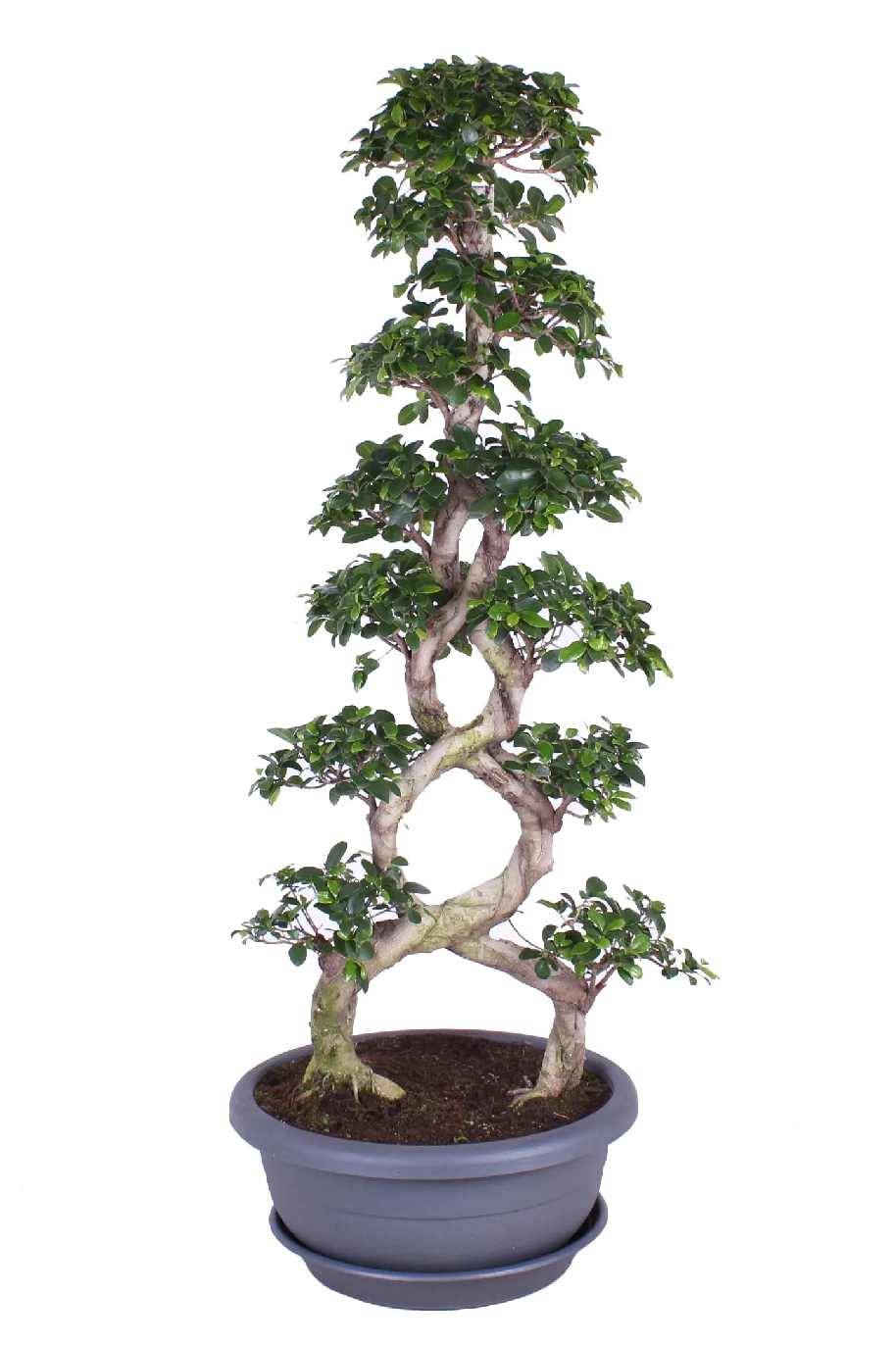
Elevate your indoor greenery with the exquisite Ficus Bonsai 8 Shape from Plantshop.me. This 8-shaped Ficus Bonsai, crafted with precision and care, exudes elegance and charm, making it a perfect addition to your indoor environment. The Ficus Bonsai 8 Shape is a symbol of balance and harmony, ideal for creating a peaceful and serene ambiance in your living space.

Care for your Ficus Bonsai by providing it with bright, indirect light and regular watering to maintain soil moisture without overwatering. This bonsai tree thrives in moderate humidity levels, making it suitable for indoor placement. The Ficus Bonsai 8 Shape is not only a stunning decorative piece but also a meditative plant that brings a sense of tranquility to your surroundings. Enhance your decor with the Ficus Bonsai 8 Shape from Plantshop.me and experience the beauty and serenity it brings to your home.

A cute little house plant, grown in Bonsai style. Put this striking strangely shaped microcarpa Ficus ‘Ginseng’ in a prominent place so it can be admired all day. In summer, the ficus can go outdoors on the patio or decking! Protect it from the midday sun. This ficus is very undemanding.

Ficus bonsai trees are quite tolerant of low levels of light. Having said that, they should still be placed in a bright location. It is recommended that some sunlight shines in through a window and actually hits the leaves of the tree. It is also possible to grow Ficus bonsai trees outdoor in summer. They look the hot summer sunshine which gives them a real energy boost. Ficus prefer moist soil. It is important that this is well-drained, it does not want to sit in a pool of water. When being kept indoors, mist spraying with water is beneficial. The aim is to create a humid atmosphere around the bonsai. A drip or humidity tray will help with this, as the water in the bottom of the tree will gradually evaporate. Too much water will damage the roots, the leaves will yellow and fall off. Too little water will result in the leaves becoming dry and brittle. As with all bonsai tree care, the key in watering is balance

Rubber Plant 3PP (Ficus elastica)

Plant Bio

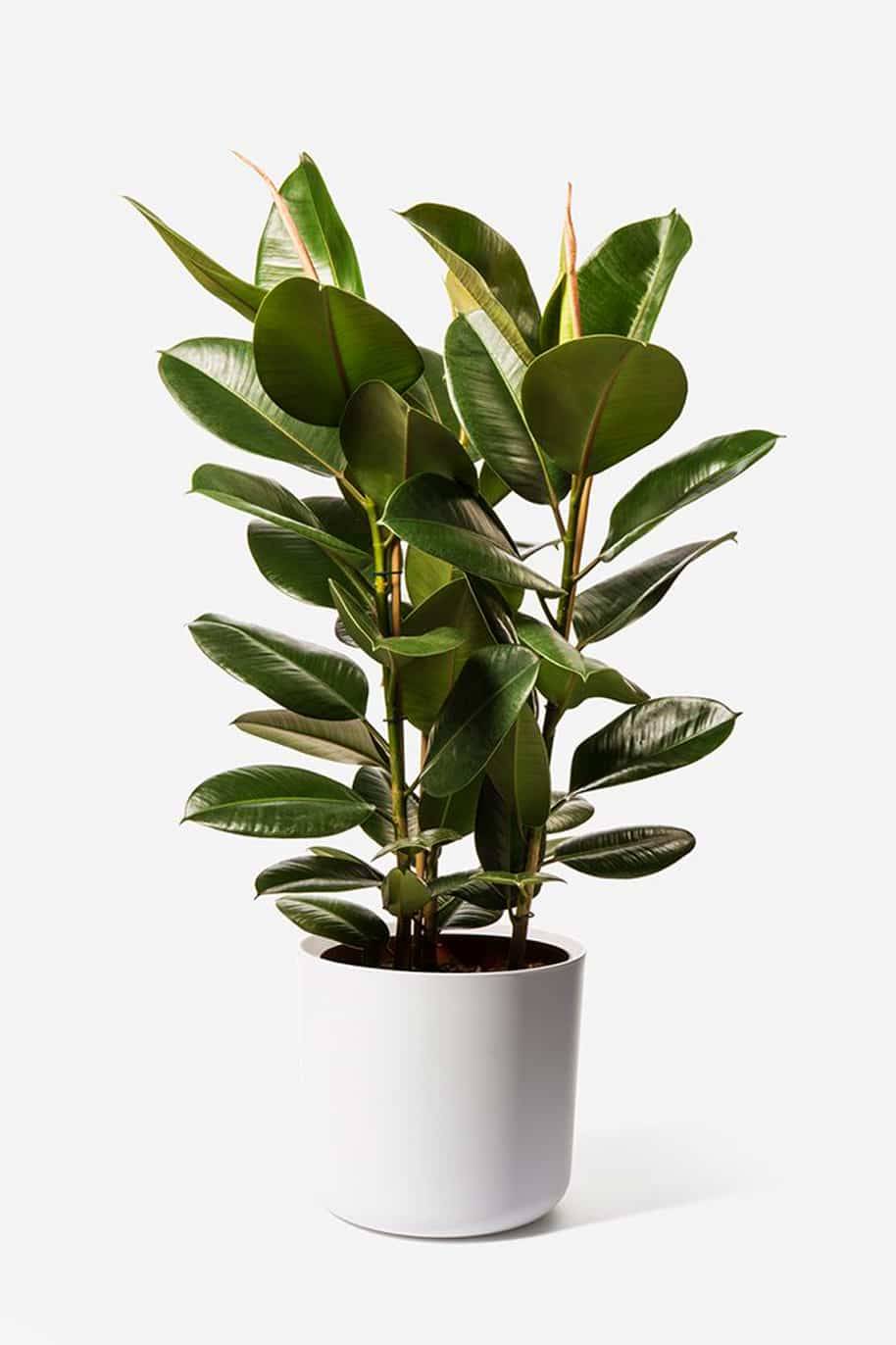
The rubber plant is a popular ornamental plant from the Ficus genus. For the indoor grower, looking for a tree type plant species with attractive foliage which can grow from 1 ft to over 8 ft tall, this is an excellent choice. The rubber plant is all about having a small tree indoors with broad shiny attractive leaves. When this plant is about 1 – 2 ft tall, it is well suited to be sitting as a centerpiece on a table, on a shelf, or on a windowsill, but once it begins to grow above 3 ft it looks great standing next to a fireplace, television area or near door entrances (as longs as there are no cold drafts).

Temperature: Average room temperatures of 60 – 75°F (15 – 24°C are fine. Avoid lower than 55°F (12°C), sudden temperature drops and cold drafts.

Light: A nice brightly lit spot is ideal, without direct sunlight.

Watering: Water once the soil becomes slightly dry to the touch and make sure the pot has sufficient drainage holes to allow excess water to seep through. The worst thing you can do regarding watering is “give it too much”.

Soil: A well-draining and well-aerated potting soil is needed. 1 part peat, 1 part pine bark, and 1 part coarse sand (or perlite) is a good mix.

Monstera Deliciosa (Monstera)

Plant Bio

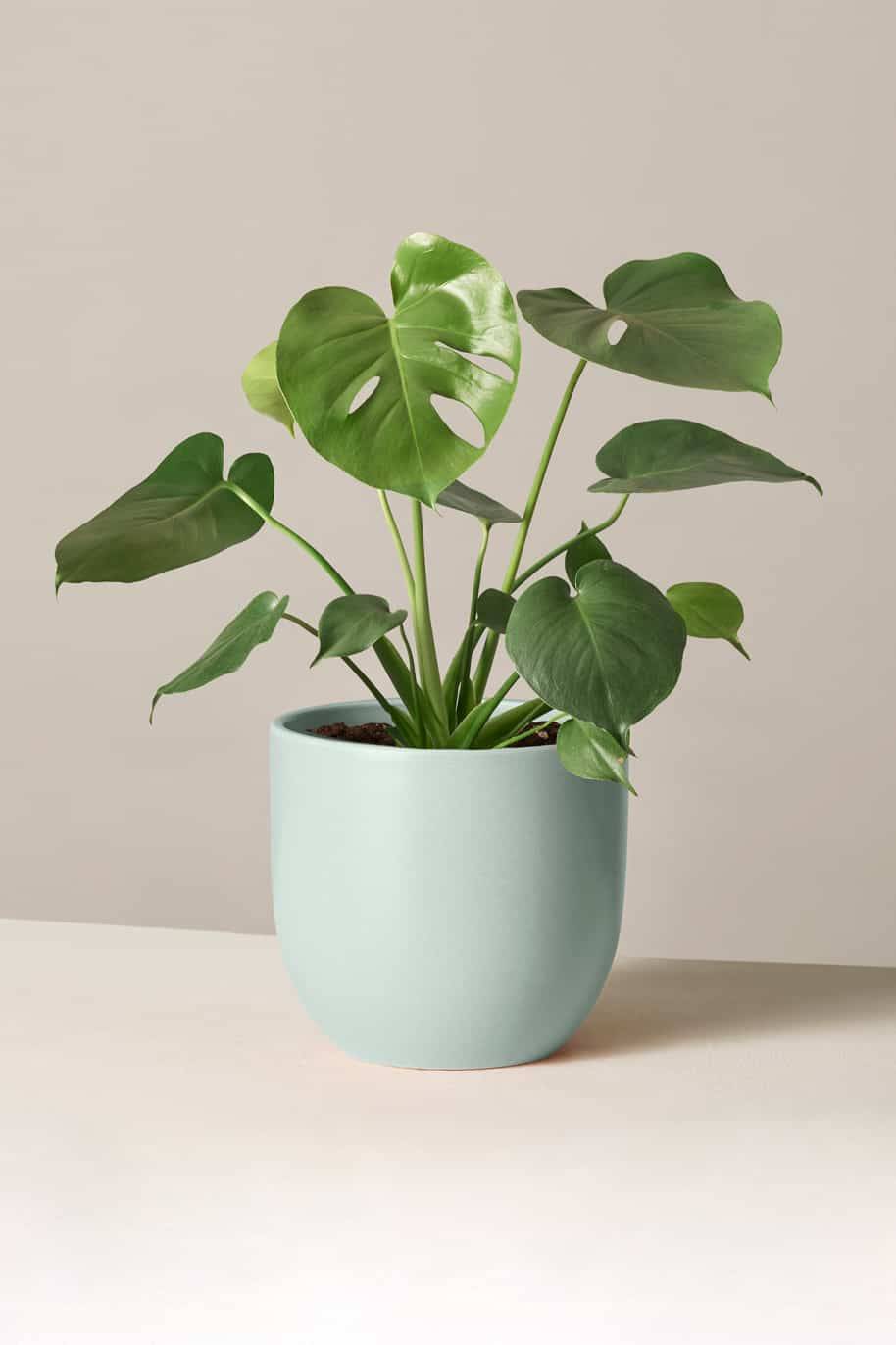
Monstera are species of evergreen tropical vines and shrubs that are native to Central America. They are famous for their natural leaf-holes, which has led to the rise of their nickname, Swiss Cheese Plant. The Monstera’s leaf-holes are called fenestrations and are theorized to maximize sun fleck capture on the forest floor by increasing the spread of the leaf while decreasing the mass of leaf cells to support.

Sunlight
Thrives in bright to medium indirect light. Not suited for intense, direct sun but can be acclimated to withstand it.

Water
Water every 1-2 weeks, allowing soil to dry out between waterings. Expect to water more often in brighter light and less often in lower light. Pro tip: Monsteras can benefit from filtered water or water left out overnight before using. 

Humidity
Normal room humidity will do, but prefers humid conditions if possible. Consider incorporating a fine-mist mister or humidifier to boost humidity level indoors.

Temperature
Most houseplants prefer temps in the 65°F-85°F range (18°C-30°C). It’s best not to let it go below 60°F (15°C).

Soil
Use a well-draining potting mix. Mix in ingredients such as perlite or lava rocks to increase soil aeration as need.

Common Problems
The Monstera is an easy-going plant and is generally pest-free. Treat pests as soon as they appear with weekly sprays of a natural pesticide like neem oil and regular wipe-downs of the plant.  

SYMPTOM: Leaves turning brown and crispy at the edges 
CAUSE: Thirsty plant, underwatered or high salt build up

SYMPTOM: Wilting plant, dry potting mix 
CAUSE: Underwatered or pot-bound

SYMPTOM: Yellowing leaves or black stems, wet potting mix 
CAUSE: Overwatered

Neon Pothos Mini

Plant Bio

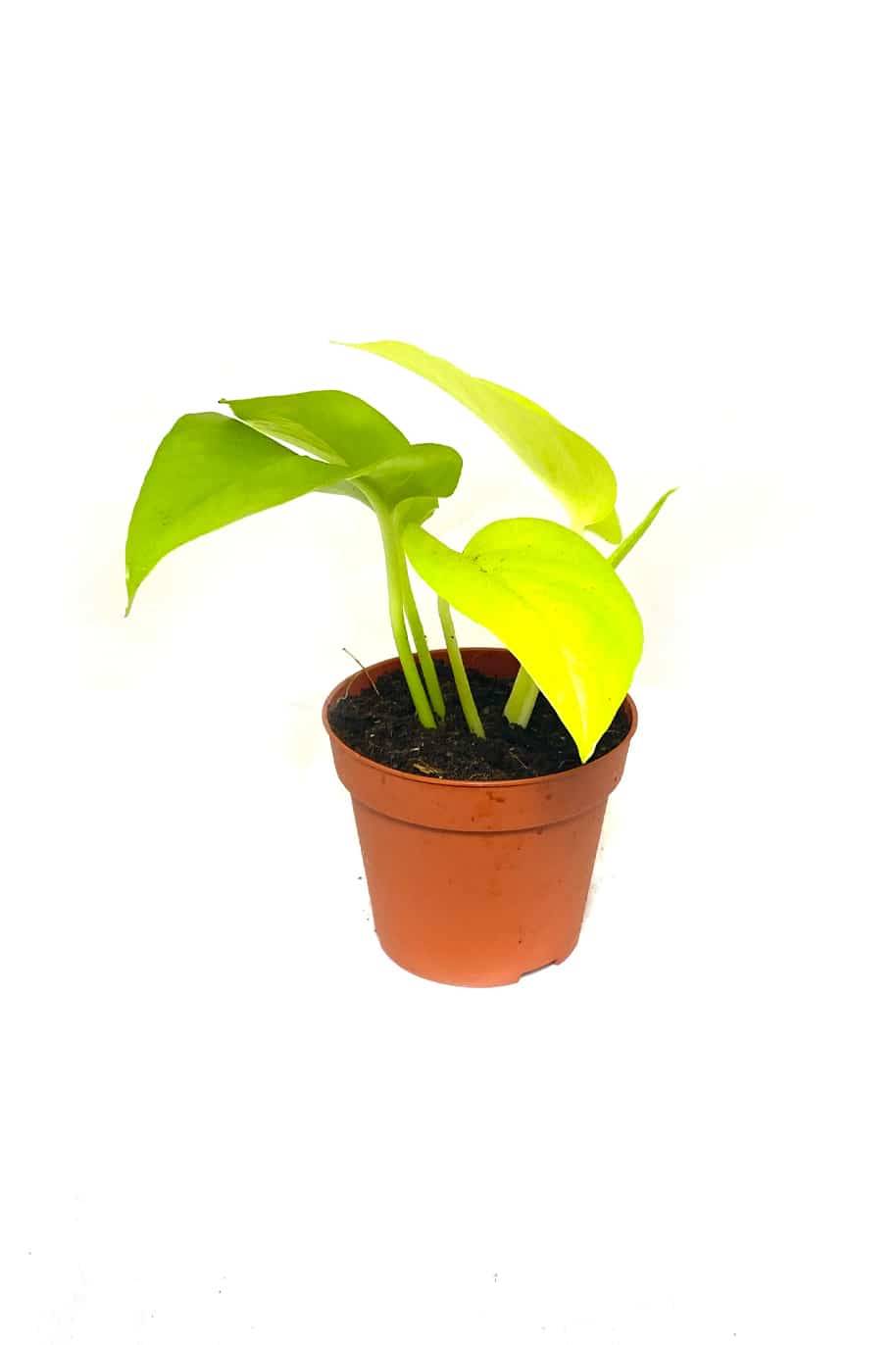
Neon Pothos plants are among the most popular houseplants for their versatility and easy care. Neon Pothos have yellowish leafs which make them easily recognizable and popular in a variety of settings. Typically a fast-growing strong climber, Neon Pothos can flourish as houseplants or climbers, indoor and outdoor, in full sun or partial shade, and requires little watering.

Pothos is arguably the easiest of all houseplants to grow, even if you are a person who forgets to water your plants. One advantage of growing pothos is that they are high on the list of plants that can help purify indoor air of chemicals such as formaldehyde, trichloroethene, toluene, xylene, and benzene.

Neon Pothos is able to adapt to lower light but thrives in bright, indirect light year-round. Harsh, direct sunlight will scorch the leaves, while too little light will cause the leaves to become a pale green and smaller in size. Water Pothos enough to keep the soil moist, but not wet or saturated. It’s best to water when the top inch of the soil is dry. Don’t worry if you forget—it will occasionally tolerate a missed watering! Look out for drooping yellow leaves, they are a symptom of too much water.

Your bathroom or kitchen would be a great choice for your Neon Pothos because it does best in a slightly more humid environment. Brown leaf tips may indicate the air is too dry. Feed monthly in the spring through fall with general-purpose indoor plant fertilizer. Before applying any fertilizer in any form make sure the soil is damp prior to application.

Feel free to trim your Neon Pothos regularly. This encourages the plant to develop more side-shoots and reduces the demand for the plant to develop a larger root system while in a confined container.Pothos is mildly toxic to pets and humans. Typically, ingestion will cause mouth and stomach irritation and possible vomiting.

Back to Top

Search For Products

Product has been added to your cart
★ Reviews