Peperomia Black Plant (Peperomia Caperata)

Plant Bio

The Peperomia Black Plant is a striking indoor plant that adds an elegant touch to any home or office space. Known for its glossy, dark foliage with a unique texture, this compact plant is perfect for those seeking low-maintenance yet stylish greenery. Its petite size and dramatic color make it an excellent choice for tabletops, shelves, or as a focal point in small spaces.

This plant thrives in indirect light, making it ideal for indoor environments across the UAE. It is also highly tolerant of varying humidity levels, making it a versatile addition to any home. Pair it with other low-light plants like the Snake Plant, Pothos, or ZZ Plant for a lush, green corner.

To care for your Peperomia Black Plant, place it in a well-lit area with indirect sunlight. Water sparingly, allowing the soil to dry out between watering sessions, as this plant is highly susceptible to overwatering. Fertilize monthly during the growing season with a balanced liquid fertilizer for optimal health.

Perfect for busy plant lovers, the Peperomia Black Plant combines beauty and simplicity, making it an excellent gift or a must-have for any indoor garden enthusiast.
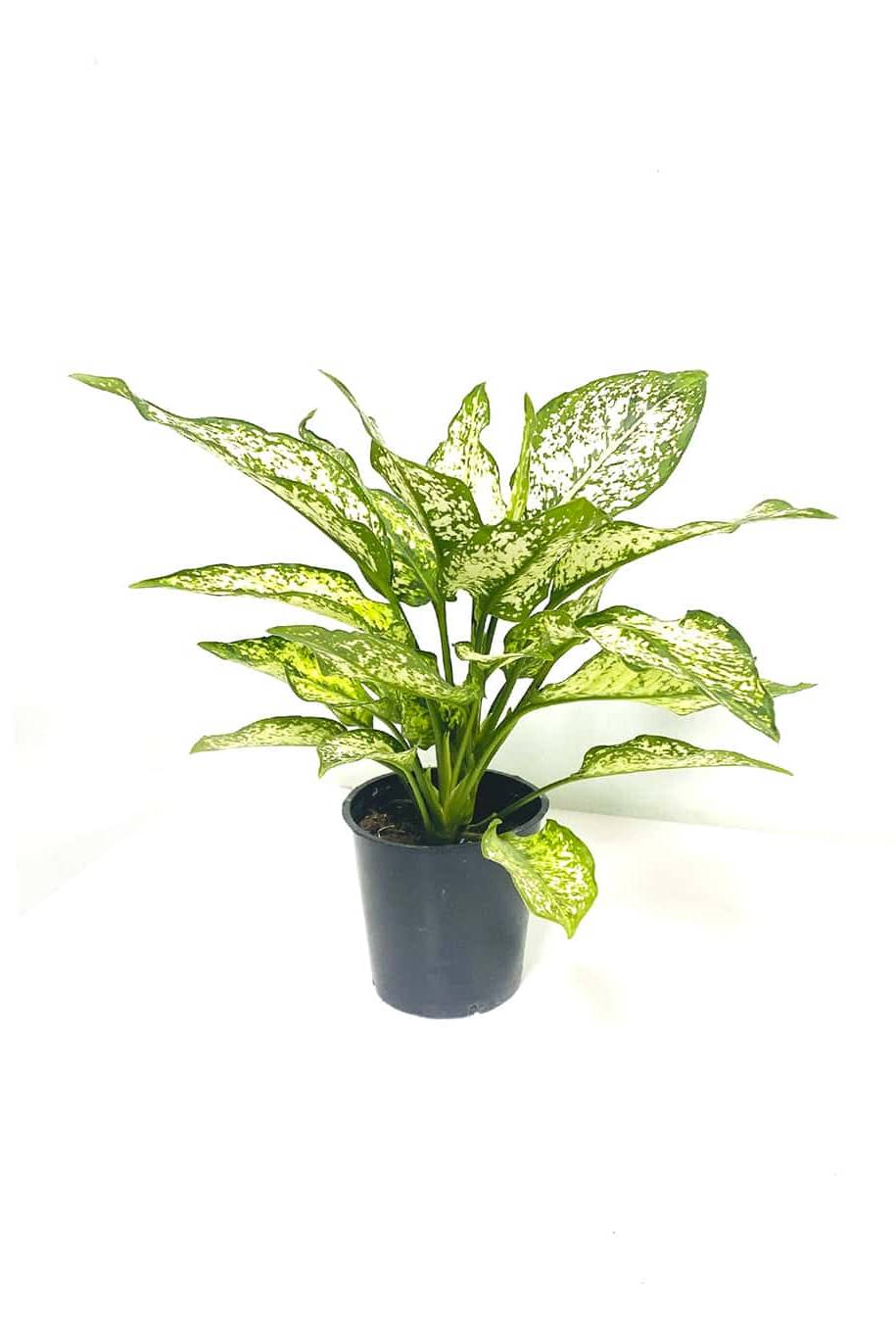
Dieffenbachia White Etna China

Plant Bio

Dieffenbachia White Etna…. The stunning Dieffenbachia White Etna has a long, variegated foliage, and is super easy to care for – a perfect statement which is rarely offered!

Care: Dieffenbachia (dumb canes) most varieties do best in a filtered light situation but I have mine in low light and it seems very happy! Avoid hot direct sun and water lightly, remembering to check that the soil is dry an inch down before watering. You can let her dry out a little between each watering, but over watering will turn the lower leaves yellow causing root rot!

Other information:

Toxicity: The sap is toxic to pets and humans!

Difficulty: Easy

Feeding: Generally, the majority of houseplants should be fed every 2nd watering during the growing season (spring and summer). For me, it’s about every 14 days, and in autumn and winter, I feed them less as indoor plants require fewer nutrients.

Philodendron Xanadu (Philodendron Xanadu)

Plant Bio

GENERAL INFORMATION

The Philodendron Xanadu is an easy-to-grow plant.
The best part is the older a Xanadu gets the better it looks.
It is a good-looking plant, with shiny green, leathery leaves, each with multiple lobes.
Unlike another philodendron, this is not a climber, instead, it grows in a mounded shape on a thick woody stem, often becoming wider than it is tall.
A compact, low maintenance choice for homes and offices, that will help purify your air.

SOIL REQUIREMENT

It flourishes in a well-drained moist soil thoroughly mixed with organic content such as peat moss, compost, etc.
Well-drained soil is soil that allows the flow of water in or out at a moderate rate.
When the plant’s soil is saturated with excess water, it reduces the oxygen intake of the plant from the soil, which may result in its death.
For your indoor planting, it is not recommended to use soil from the garden, if you look forward to a good result.
Soil from the garden might contain disease organisms, weeds seeds and may not be well-drained soil.
That said, you could use high-quality potting soil that is well-draining.
However, you should not just use a regular potting mix.
You should add some more ingredients, eg.30%-50% potting mix, and then for the rest of the soil, add perlite and orchid bark.

FEEDING/FERTILIZER REQUIREMENT

Feed them with a balanced liquid foliage houseplant fertilizer that contains macro-nutrients.
Slow growth and small leaf size is the plant’s way of telling you that it isn’t getting enough fertilizer.
Pale new leaves usually indicate that the plant isn’t getting enough calcium and magnesium, which are essential micro-nutrients for philodendrons.

LIGHT REQUIREMENT

It requires mild sunlight to thrive.
Filtered sunlight is most desirable.
Direct exposure to sunlight will lead to the burning of leaves.

WATER REQUIREMENT

It is a water-loving plant.
Watering should be done with a moderate amount of water.
You must ensure the plant’s soil is moist at all times.
Watering with excessive water must be avoided to prevent killing the plant.
When the plant’s soil is excessively watered or saturated with water, it reduces the rate of oxygen intake by the plate from the soil.
It could lead to the rotting of the plant root, which is the most critical and crucial part of a plant.
When the roots are rotten, the plant will be nutrient deficient and, in the long run, will lead to the death of the plant when not properly cared for.
This can be done by feeling the soil texture with your fingers.
If the soil contains some moisture, it will stick on the fingers, but when it doesn’t, it will fall off.
After this has been done and it was confirmed that water moisture is present, you can postpone the watering of the plant.
Otherwise, you water it at the very moment.

Trio Pothos (Scindapsus)

Plant Bio

Beautiful arrangement of three plant varieties in premium pot including – Marble Queen, Neon Pothos & Philodendron Brasil.

Golden Pothos (Scindapsus aureus) plants are among the most popular houseplants for their versatility and easy care. Golden Pothos have a yellow and green variegation which make them easily recognizable and popular in a variety of settings. Also known as Devil’s Ivy, Golden Pothos is naturally found in forests from Southeast Asia to the West Pacific. Typically a fast-growing strong climber, Golden Pothos can flourish as houseplants or climbers, indoor and outdoor, in full sun or partial shade, and requires little watering.

Basic pothos care is very easy. These plants enjoy a wide range of environments. They do well in bright indirect light as well as low light and can be grown in dry soil or in vases of water. They will thrive in nutrient rich soil, but do almost as well in nutrient poor soil. Pothos plants make a great addition to you bathroom or office because they can tolerate low light. While pothos likes a wide variety of light conditions, they do not do well in direct sunlight. Pothos is very popular due to the fact that it can be grown in water or in dry soil. Cuttings can be taken from a mother plant and rooted in water and kept in water as a houseplant. This is convenient for placing a pothos plant in hard to reach areas in a jug of water where they can remain untouched as long as water remains in the jug. On the opposite end, pothos can also be started in soil and will tolerate moderate periods of dry soil with little effect to the plant. Oddly enough, cuttings started in one growing medium have a hard time switching to the other. So, a pothos plant started in soil has a hard time thriving if moved to water and a pothos cutting started in water will not do very well in soil, especially if it has spent a long period of time growing in water. You can fertilize your pothos plant about once every three months and this will help the plant grow more quickly, but most people find that their plants grow quick enough even with being fertilized.

While pothos plants are an easy to care for houseplant, you do need to be aware that they are poisonous. Even the sap from the plant may cause highly sensitive people to break out in a rash. It is considered toxic to cats, dogs and children, but as mentioned, it normally will make them very sick but it isn’t fatal.

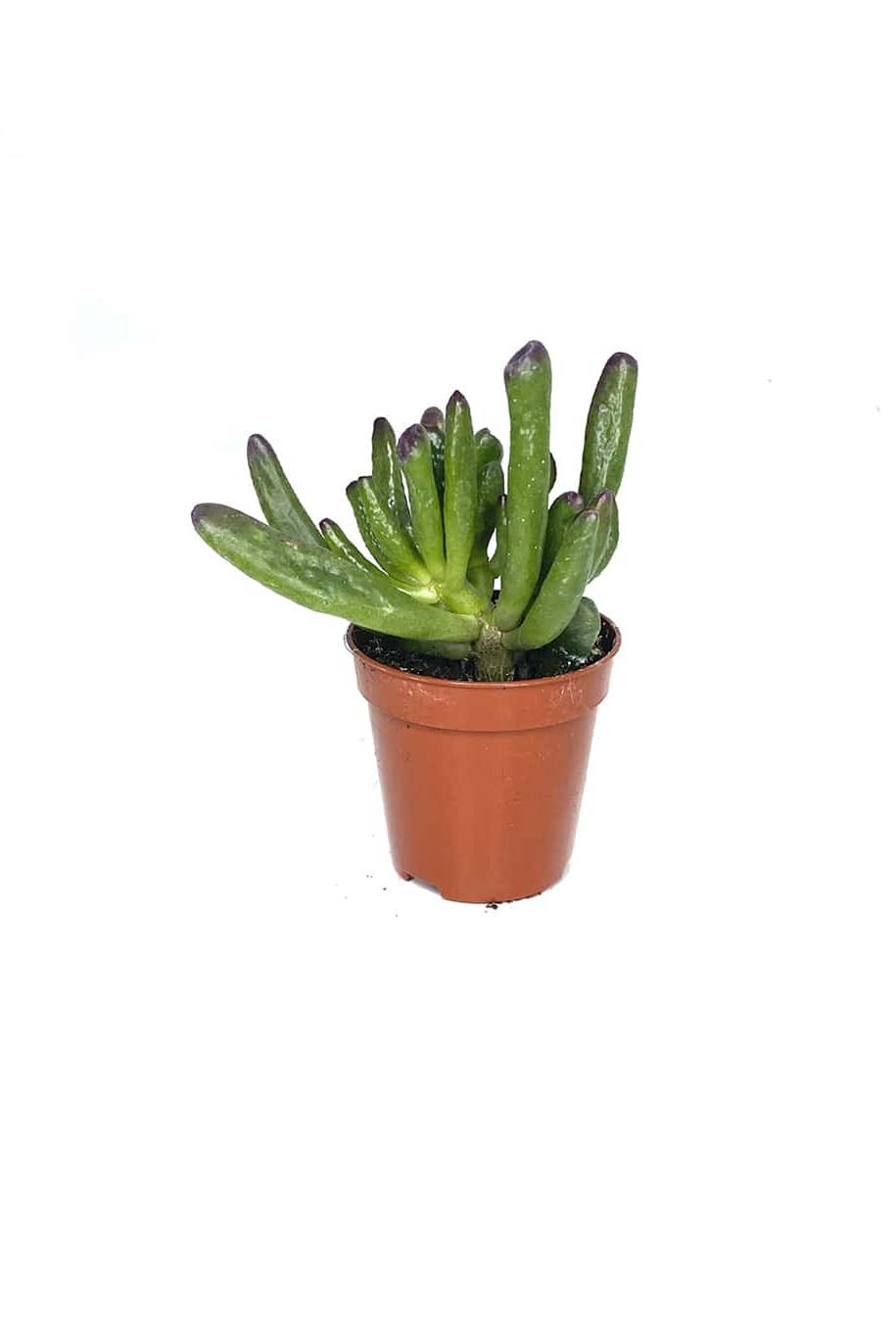
Crassula Ovata Hobbit Mini (Crassula)

Plant Bio

Transform your indoor space with the enchanting Crassula Ovata Hobbit Mini. This unique succulent, characterized by its compact form and striking rounded leaves, makes a wonderful addition to any home or office setting. It thrives in bright, indirect sunlight, requiring minimal watering, which makes it perfect for busy lifestyles or novice gardeners.

Valued for its air-purifying qualities, the Hobbit Mini also enhances your indoor décor with its unique charm and lush green aesthetics. Pair it with other succulents like Echeveria or Haworthia for a stunning arrangement that showcases diverse textures and colors.

To care for your Crassula Ovata Hobbit Mini, ensure the pot has good drainage, and allow the soil to dry out completely between watering. With proper care, this resilient plant will thrive, giving you years of joy. Embrace the beauty of natural décor by adding this delightful succulent to your collection today.

Visit Plantshop.me to buy your Crassula Ovata Hobbit Mini and elevate your indoor garden!

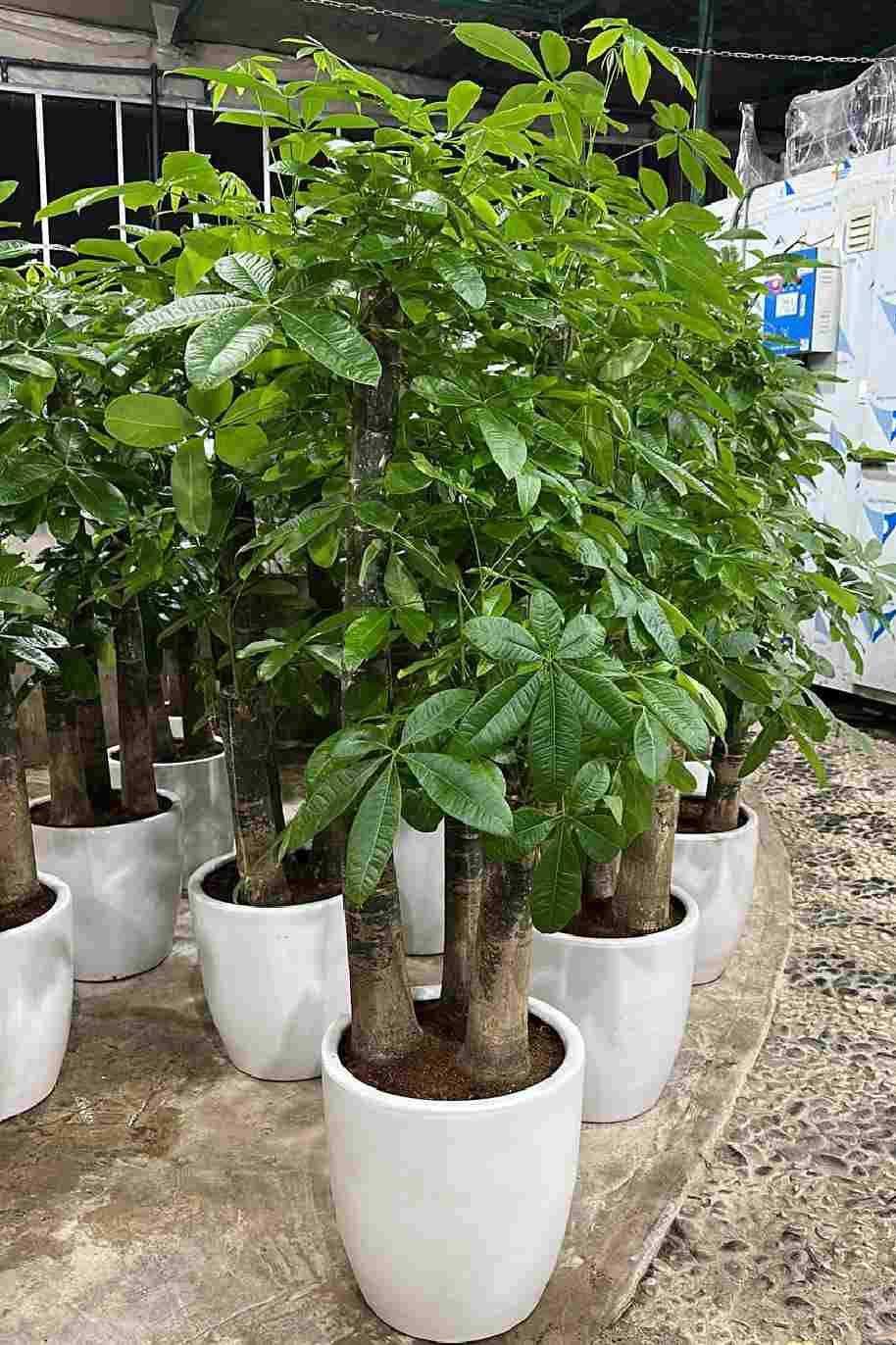
Giant Multi Pachira (Pachira )

Plant Bio

The Giant Multi Pachira, also known as the Money Tree or Pachira Aquatica, is a stunning addition to any indoor space, bringing both beauty and positive energy. Its striking braided trunk and lush green leaves make it a perfect centerpiece for homes, offices, and commercial spaces in the UAE. This low-maintenance plant is highly adaptable and thrives in bright, indirect sunlight.

The Giant Multi Pachira is believed to attract prosperity and good luck, making it a popular choice for feng shui enthusiasts. It also helps improve indoor air quality by filtering toxins, creating a healthier environment. The plant pairs well with other indoor greenery like the Fiddle Leaf Fig or Areca Palm for a vibrant, tropical feel.

Care Tips: Water the plant when the topsoil feels dry, ensuring proper drainage to prevent root rot. Keep it in a well-lit area away from direct sunlight to avoid leaf scorching. Feed with a balanced liquid fertilizer once a month during the growing season. With minimal effort, your Giant Multi Pachira will flourish, enhancing your space with its elegant foliage and positive vibes.

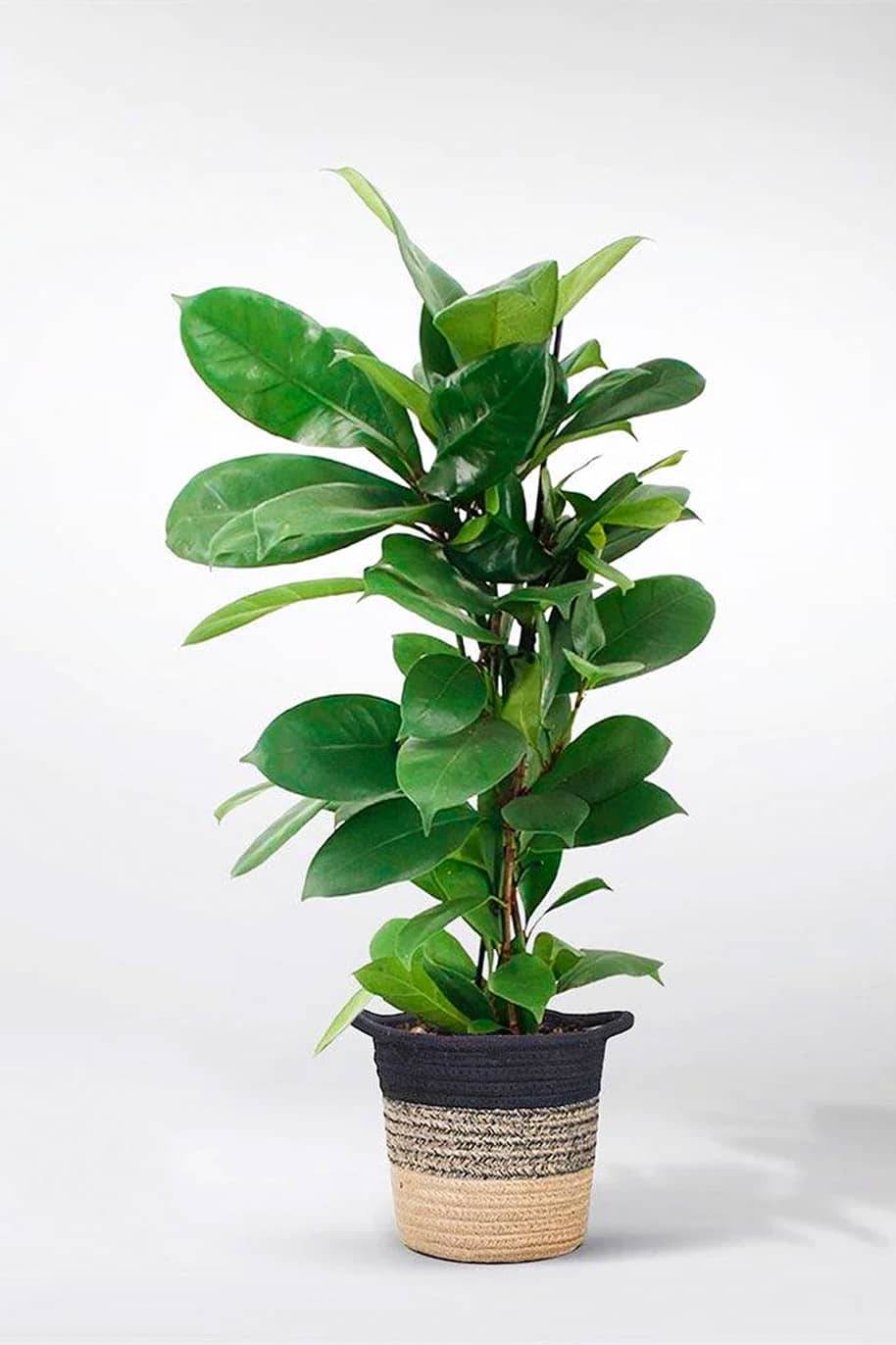
African Fig (Ficus cyathistipula)

Plant Bio

The African Fig has dense, luscious, deep green foliage with large, leathery, tumbler-shaped leaves. It is a vigorous species of Ficus and can tolerate dry air and shady conditions better than others. It branches readily and its dark, flaky bark gives rise to its alternative common name of Birchbark Fig.

Ficus cyathistipula – African Fig Care & Info Guide

Light

Ficus cyathistipula prefers bright, indirect light but can tolerate partial shade. Direct sunlight is best avoided however, as it may burn the leaves.

Watering

Water when the soil starts to become slightly dry at the top. Keep the soil lightly moist at all times, but do not overwater as this will cause leaf drop.

Temperature

The African Fig does well in normal household temperatures, but prefers slightly warmer conditions: around 16-24°C. Avoid cold draughts.

Humidity

This Ficus has no specific humidity requirements, although your Fig will benefit from an occasional misting.

Feed

Apply a weak dose of fertiliser once or twice a month during the growing season.

Height & Growth Rate

The African Fig is fast-growing in optimum conditions, typically rising to an ultimate height of 4 metres, but can be contained indoors.

Toxicity

Considered poisonous due to the latex in the sap, therefore keep away from children and animals. Avoid this plant if you have a latex allergy. Contains allergens that may result in asthma symptoms.

Air Purifying

This plant filters airborne toxins and is part of our clean air plant collection.

Origin

Ficus cyathistipula is native to the tropical forest regions of Africa.

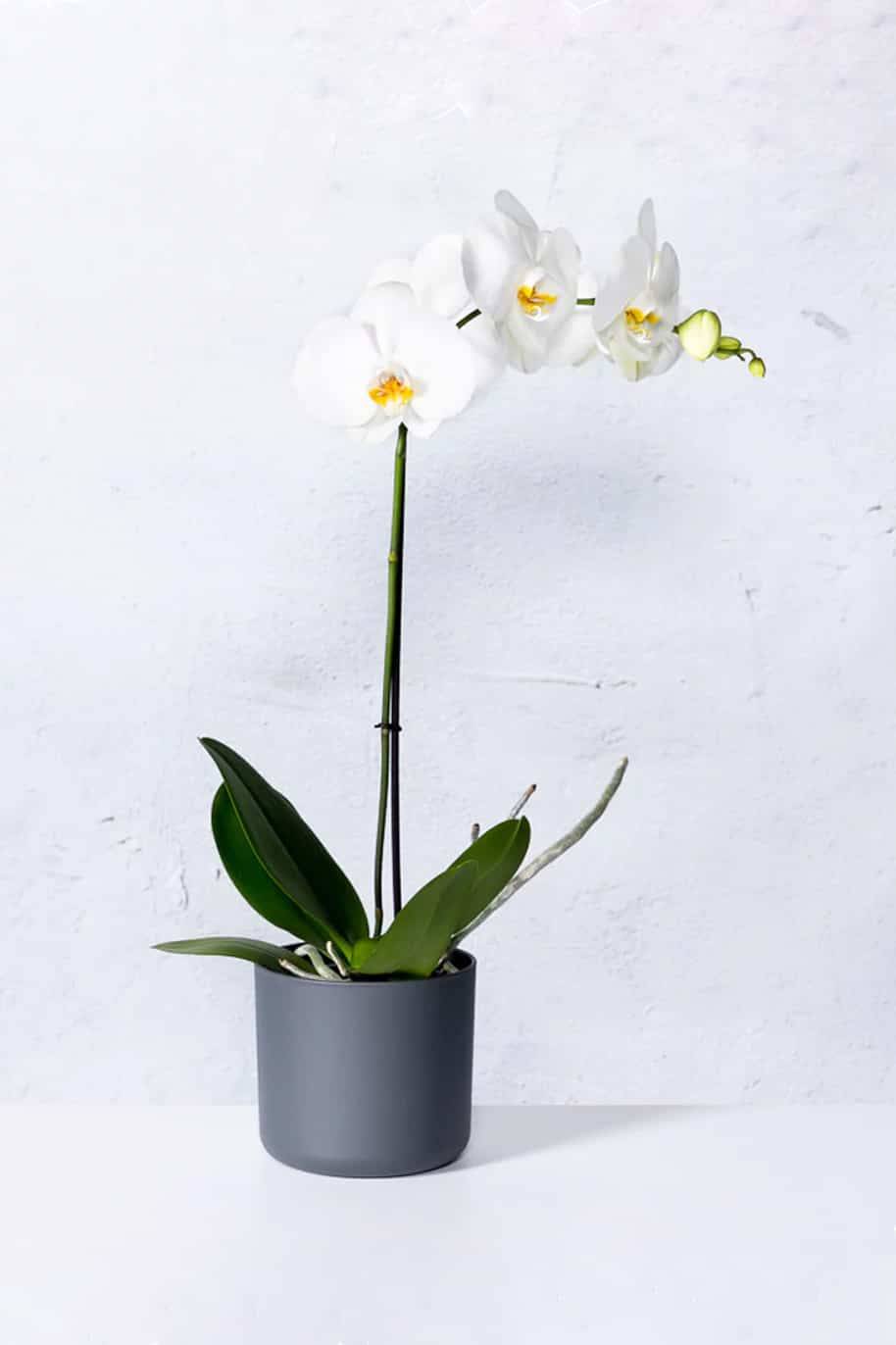
Phalaenopsis Orchid Thailand Single Stem

Plant Bio

Phalaenopsis, commonly known as moth orchids, is a genus of about seventy species of orchids in the family orchid. Orchids in this genus are monopodial epiphytes or lithophytes with long, coarse roots, short, leafy stems and long-lasting, flat flowers arranged in a flowering stem that often branches near the end.

Place your orchid in a bright room, but not in direct sunlight. Water the orchid infrequently, being guided by the plant, rather than watering on a schedule. Many more orchids die from over-watering than under-watering. Only water the roots. Keep the flowers and leaves dry. Use a well-draining pot and growing media and never let your orchid sit in water for more than a few minutes. Use a water-soluble fertilizer. Fertilize every 1-2 weeks, but not during the flowering phase.

Elevate your living space with the exquisite Phalaenopsis Orchid Thailand Single Stem. Renowned for its elegant blooms and vibrant colors, this stunning orchid is perfect for any home in the UAE. Each single stem features multiple flowers that will bloom for several weeks, creating an eye-catching centerpiece for your living room, office, or any area needing a touch of nature’s beauty.

These orchids thrive in bright, indirect sunlight, making them ideal for indoor environments. They prefer to be watered once a week, allowing the soil to dry slightly between waterings. Incorporating a quality orchid potting mix will help maintain optimal moisture and air circulation around the roots.

The Phalaenopsis Orchid is compatible with a range of indoor plants and adds a tropical flair to arrangements with other greenery, such as ferns or peace lilies. They make excellent gifts for any occasion—whether it’s a housewarming, anniversary, or just a thoughtful surprise. Buy Phalaenopsis Orchid Thailand Single Stem today and transform your space with an air of elegance!

Phalaenopsis Orchid Thailand 2 Stem

Plant Bio

Phalaenopsis, commonly known as moth orchids, is a genus of about seventy species of orchids in the family orchid. Orchids in this genus are monopodial epiphytes or lithophytes with long, coarse roots, short, leafy stems and long-lasting, flat flowers arranged in a flowering stem that often branches near the end.

Place your orchid in a bright room, but not in direct sunlight. Water the orchid infrequently, being guided by the plant, rather than watering on a schedule. Many more orchids die from over-watering than under-watering. Only water the roots. Keep the flowers and leaves dry. Use a well-draining pot and growing media and never let your orchid sit in water for more than a few minutes. Use a water-soluble fertilizer. Fertilize every 1-2 weeks, but not during the flowering phase.

Elevate your indoor garden with our exquisite Phalaenopsis Orchid Thailand 2 Stem! Known for their mesmerizing blooms and unique tropical charm, these stunning orchids are perfect for any home or office setting. Each 2-stem arrangement features vibrant flowers that can last for months with proper care, making them a delightful centerpiece or gift.

These orchids thrive in moderate, indirect light, and prefer a humidity level between 50-70%. To ensure optimal health, water them thoroughly in the morning when the top inch of soil feels dry. For best results, use our Folikraft Orchid Plant Food, available on Plantshop.me, to nourish these delicate beauties.

Ideal companions for your Phalaenopsis Orchid include other tropical plants like peace lilies or snake plants, which share similar care requirements. Transform your living space today with our beautiful Phalaenopsis orchids and enjoy the tranquility they bring. Don’t miss out on this floral addition to your indoor oasis!

Dracaena White Stripe Head

Plant Bio

Dracaena deremensis  ‘White Stripe’ is characterized by green leaves and white streaks at the margin.

Plant Requirement:

Soil: Dracaena can grow in general pot-mix, red soil, or laterite soils. It grows fibrous roots which support a single stem (cane), Soil should be well-drained, good water holding capacity, and rich in organic matters.

Water: Avoid over-watering. Water it in the evening for even availability of water to its root-zone. It is a moderately watered plant. When you are confused, when to water, always keep it dry side. More plants die due to over-watering than less water.

Climate: Dracaena is a tropical plant. It loves filtered or semi-shade conditions. Direct sunlight may cause burning of the leaves. When grown under full shade conditions, the plant grows lanky and pale. The dry air may harm the delicate leaves.

Garden Use: Dracaena is a group of indoor plants, loved by all the gardeners and hobbyists. Dracaena plants are used as a pot plant. It is a good choice to plant with other foliage shrubs for color contrasting and breaking the monotony.

Care and Maintenance:  

Nutrition: Dracaena is a moderately feeding plant. It doesn’t require a special nutrition schedule. Apply well-decomposed farmyard manure or vermicompost twice a year.

Protection: Dracaena is susceptible to sucking type of pests like mealybugs, aphids, and jassids.  Apart from it, white woolly aphids are common pests on dracaena. Cleaning of the plant foliage and pot is advised.

Horticulture Operations: For bushy or multi-branching – center cane can be cut-back. Being a cane it gives branching from nodes, which eventually burst into a compact bunch of leaves.

Back to Top

Search For Products

Product has been added to your cart
★ Reviews