

Description
Plant Bio
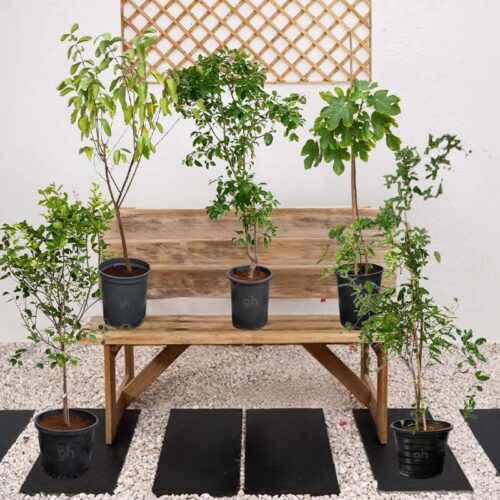
The Frankincense Multi Trunk Tree is a unique and aromatic addition to any garden in the UAE. Renowned for its historical significance and fragrant resin, this tree not only enhances the aesthetic appeal of your garden but also offers a sense of tranquility with its soothing aroma. The multi-trunk growth pattern adds an exotic flair, making it a striking focal point in any landscape.
Perfect for the arid climate of the UAE, the Frankincense tree thrives in well-draining soil and requires minimal watering, making it an ideal choice for eco-conscious gardeners seeking low-maintenance plants. Its resilience to harsh weather conditions further makes it suitable for outdoor planting in Dubai, Abu Dhabi, and Sharjah.
Pair this tree with other drought-tolerant plants like the Desert Rose or the Olive Tree to create a harmonious desert-themed garden. The Frankincense tree also complements rock gardens and xeriscaping designs, providing a touch of greenery and fragrance.
Care tips: Plant in full sun to partial shade, water sparingly, and avoid overwatering to prevent root rot. Prune lightly to maintain its shape and encourage healthy growth. Incorporating this tree into your garden brings a piece of ancient tradition into modern landscaping.
The Frankincense Tree, scientifically known as Boswellia sacra, is a small to medium-sized deciduous tree native to the Arabian Peninsula and northeastern Africa. It is famous for producing frankincense, a resin with various cultural, medicinal, and aromatic uses. Here is a description and care guide for the Frankincense Tree:
Description:
Size: The Frankincense Tree typically grows to a height of 10 to 20 feet (3 to 6 meters), although some specimens can reach up to 30 feet (9 meters) in optimal conditions. It has a distinctive, irregularly shaped canopy with slender branches.
Bark: The bark of the tree is pale gray or reddish-brown and can peel in thin papery layers.
Leaves: The leaves are composed of multiple leaflets that are arranged in a pinnate or feather-like fashion. The leaflets are small, oval-shaped, and alternate along the stem.
Flowers: Frankincense Trees produce small, white or pale pink flowers with five petals. The flowers are typically clustered at the branch ends and have a pleasant fragrance.
Resin: The primary attraction of the Frankincense Tree is the resin it produces. The resin forms as small teardrop-shaped droplets on the bark, which are harvested and dried to produce frankincense.
Care:
Sunlight: Frankincense Trees thrive in full sun to partial shade. They require at least six hours of direct sunlight each day to ensure healthy growth and resin production.
Soil: Provide well-draining soil for your Frankincense Tree. Sandy or loamy soil with good drainage is ideal. The tree can tolerate a range of soil pH levels, including slightly alkaline to slightly acidic conditions.
Watering: Frankincense Trees are drought-tolerant once established, but they still require regular watering, especially during hot and dry periods. Water deeply and infrequently, allowing the soil to partially dry between waterings. Avoid waterlogged conditions, as they can lead to root rot.
Pruning: Prune the Frankincense Tree as needed to remove dead, damaged, or crossing branches. Regular pruning can help maintain its shape and promote better airflow within the canopy. Prune during the dormant season or after flowering.
Fertilizer: Frankincense Trees generally do not require heavy fertilization. However, you can apply a balanced, slow-release fertilizer in spring to provide essential nutrients. Follow the manufacturer’s instructions for application rates.
Pests and diseases: Frankincense Trees are generally resistant to pests and diseases. However, they can occasionally be affected by scale insects or fungal diseases. Monitor the tree for any signs of infestation or disease and take appropriate measures for control.
Propagation: The Frankincense Tree can be propagated from seeds. Harvest the seeds and soak them in warm water for 24 hours before planting. Sow them in a well-draining soil mixture and provide warm and humid conditions for germination.
Frankincense Trees are valued for their cultural significance, aromatic resin, and ornamental beauty. They are suitable for warm climates and can be grown outdoors in suitable regions or as container plants. With proper care, your Frankincense Tree can thrive and become a unique addition to your garden or indoor collection.




Reviews
There are no reviews yet.